
Citrus Heights Terrace
Once that report is in and a room is set, the move tends to go more smoothly with a little planning. Familiar things help, like photos, a soft blanket, and a favorite chair. Small touches make a new room feel like home faster.
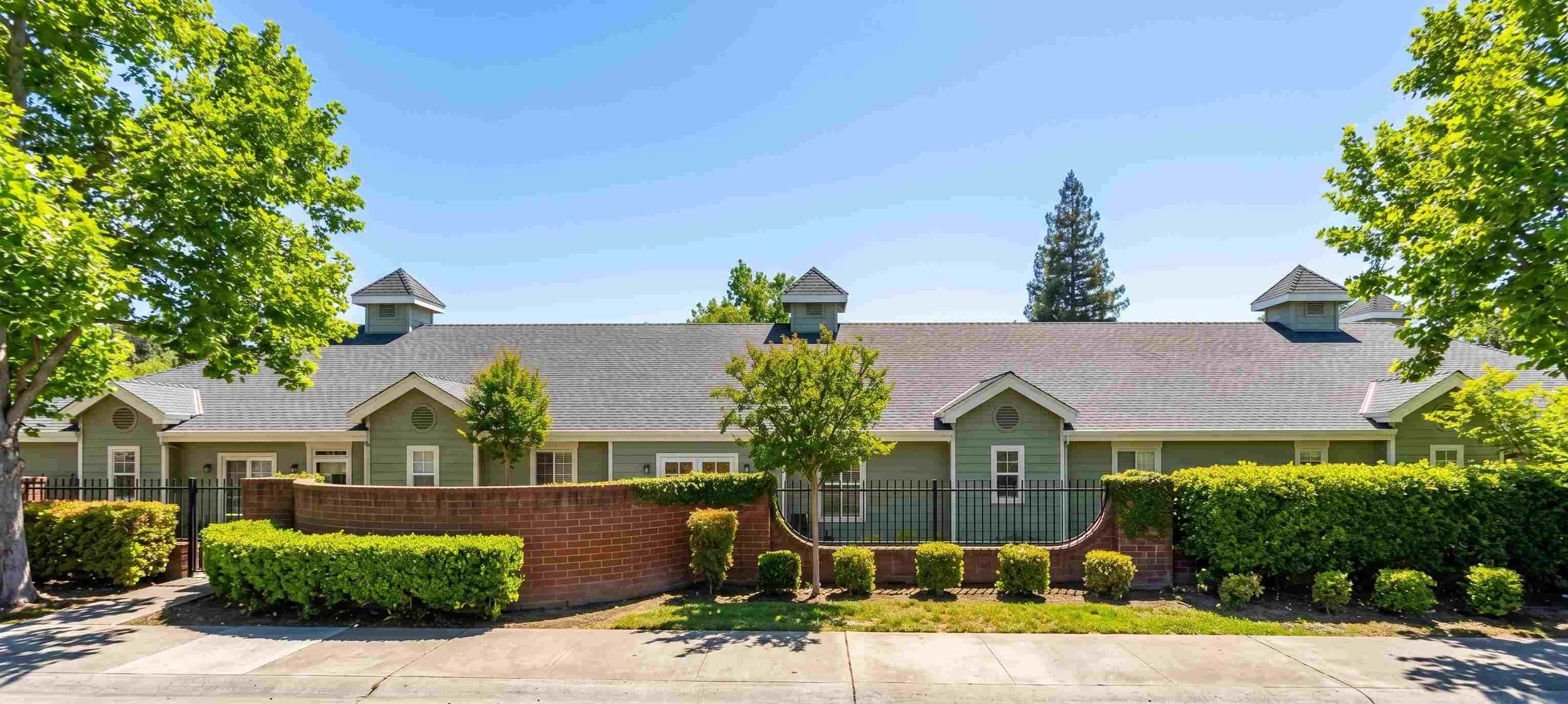
Citrus Heights Terrace is a licensed Residential Care Facility for the Elderly (RCFE) in Citrus Heights, in Sacramento County. It is run by CiminoCare, a family-owned operator, and it focuses on memory care alongside assisted living. This guide walks through what daily life looks like and how to plan a visit.
|
Detail |
Information |
|---|---|
|
Community type |
Assisted living and memory care (licensed RCFE) |
|
Operator |
CiminoCare, family owned and operated |
|
Address |
7952 Old Auburn Rd., Citrus Heights, CA 95610 |
|
County |
Sacramento County, California |
|
License number |
347001498 |
|
Licensed capacity |
Up to 49 residents |
A Small-Town Memory Care Community
Citrus Heights Terrace is built around calm, familiar surroundings. It sits in a quiet part of Citrus Heights with open space and a small-town feel. That steady, low-key setting can be a comfort for someone living with memory loss.
The community is family owned and operated through CiminoCare. Staff are on site around the clock, and the building uses secured perimeters and wander detection for safety. For families, that constant supervision often brings the biggest sense of relief.
Because it is a smaller, private setting, caregivers can get to know each resident. They learn names, habits, and what soothes a hard afternoon. That personal touch is hard to offer in a very large facility.
Care Built Around Memory Loss
The heart of Citrus Heights Terrace is memory care. It supports people across the whole range of memory loss, from mild forgetfulness to advanced dementia. The National Institute on Aging has a helpful guide on finding long-term care for a person with Alzheimer's that many families read before they tour.
Trained caregivers help with daily needs while keeping routines gentle and predictable. Structure matters for memory loss, so days follow a familiar rhythm. Familiar faces and steady schedules can ease confusion and worry.
Care is meant to shift as needs change over time. A person who needs light help today may need more later, and the community plans for that. Ask how the care plan is written and how often the team updates it.
Everyday Comforts and Daily Life
Daily life here is meant to feel homelike, not clinical. Residents live in furnished rooms, with private and shared options. All utilities except the phone are included, so there is less to juggle.
The community also takes everyday chores off the family's plate. Weekly housekeeping, building maintenance, and groundskeeping are handled by staff. That frees residents and relatives to focus on time together.
A full day still has shape and small joys. Meals are served daily, and life-enrichment activities give residents a reason to gather. Simple social time often lifts mood more than families expect.
Things worth asking about on a visit include:
Room options, and what a private versus shared room includes
Meals, snacks, and how special diets are handled
The weekly activity and outing schedule
How staff handle a difficult day or a change in behavior
What is part of the base rate and what costs extra
How Assisted Living Fits In
Assisted living offers help with daily tasks while letting residents keep as much independence as they can. The National Institute on Aging describes long-term care facilities like assisted living as a middle ground between living alone and full nursing care.
At a community like this, the everyday support covers the things that get harder with age. It is steady, hands-on help woven into the day. Families often say the real relief is knowing someone is always nearby.
Typical support in this kind of community includes:
Daily meals with help at the table when needed
A hand with bathing, dressing, and grooming
Medication reminders and organized support so doses are not missed
Housekeeping, laundry, and upkeep of the room
Round-the-clock supervision for safety
A residential community is not a hospital or a nursing home. It is a home for people who no longer feel safe alone but do not need constant medical care. Knowing that difference helps set the right expectations.
Signs It May Be Time to Consider a Move
There is rarely one clear signal. More often, small worries build over months, and family members notice the pattern first. The National Institute on Aging offers steps for choosing a long-term care facility that can guide the conversation.
You might start weighing memory care after frequent falls, missed medications, weight loss, wandering, or growing isolation. When home no longer feels safe, a supported setting can protect health and dignity. These changes are hard to watch, and it is okay to ask for help.
It helps to talk with your loved one early, before a crisis forces a rushed choice. Gentle, honest conversations give everyone a say. When you tour, trust how the place feels and how calm the staff seem.
Life in Citrus Heights and Sacramento County
Citrus Heights is a suburb in Sacramento County, in Northern California. It has a quiet, residential feel with parks, shops, and everyday services close by. For families, that means visits and errands can fit into a normal day.
Being in a familiar region matters for older adults. Staying near longtime neighborhoods, places of worship, and family can ease a move. It keeps a person connected to the life they know.
The Old Auburn Road area is easy to reach for relatives who live nearby or drive in. Regular visits are simpler when the community is close and the streets are calm. That access helps families stay involved week to week.
Keeping Health Care on Track
Getting to medical appointments can be tough for someone with memory loss. One option many families use is a doctor who visits residents where they live. A visit at the community can spare a stressful trip out.
Home-based visits work well for routine check-ins and follow-ups. A doctor can review medicines, watch for small changes, and coordinate with the care team. That steady oversight helps catch problems early.
It is worth asking the community how they handle doctor visits, labs, and pharmacy needs. Good coordination keeps care simple for everyone. Ask who to call when a health question comes up after hours.
Taking the Next Step
If Citrus Heights Terrace looks like a possible fit, the next step is a visit. If you would like a hand comparing options, a senior placement advisor can help you weigh communities at no cost to your family. They know the area well and can save you time.
Tour in person when you can, and bring a short list of questions. Notice how residents look and how staff speak to them. Warmth is hard to fake, and your own read on a place is worth trusting.
Take your time and involve your loved one where you can. The right community should feel calm, clean, and kind. When it fits, families often feel a weight lift.
Contact and Details
You can learn more or arrange a tour through the community website listed in the details below. Everything here is current at the time of writing and can change, so please confirm it directly with the community.
Address: 7952 Old Auburn Rd., Citrus Heights, CA 95610
Phone: (916) 833-8946
License: RCFE #347001498
County: Sacramento County, California
Capacity: Licensed for up to 49 residents
Operator: CiminoCare
Explore More Assisted Living Communities

Address: 7952 Old Auburn Rd., Citrus Heights, CA 95610