
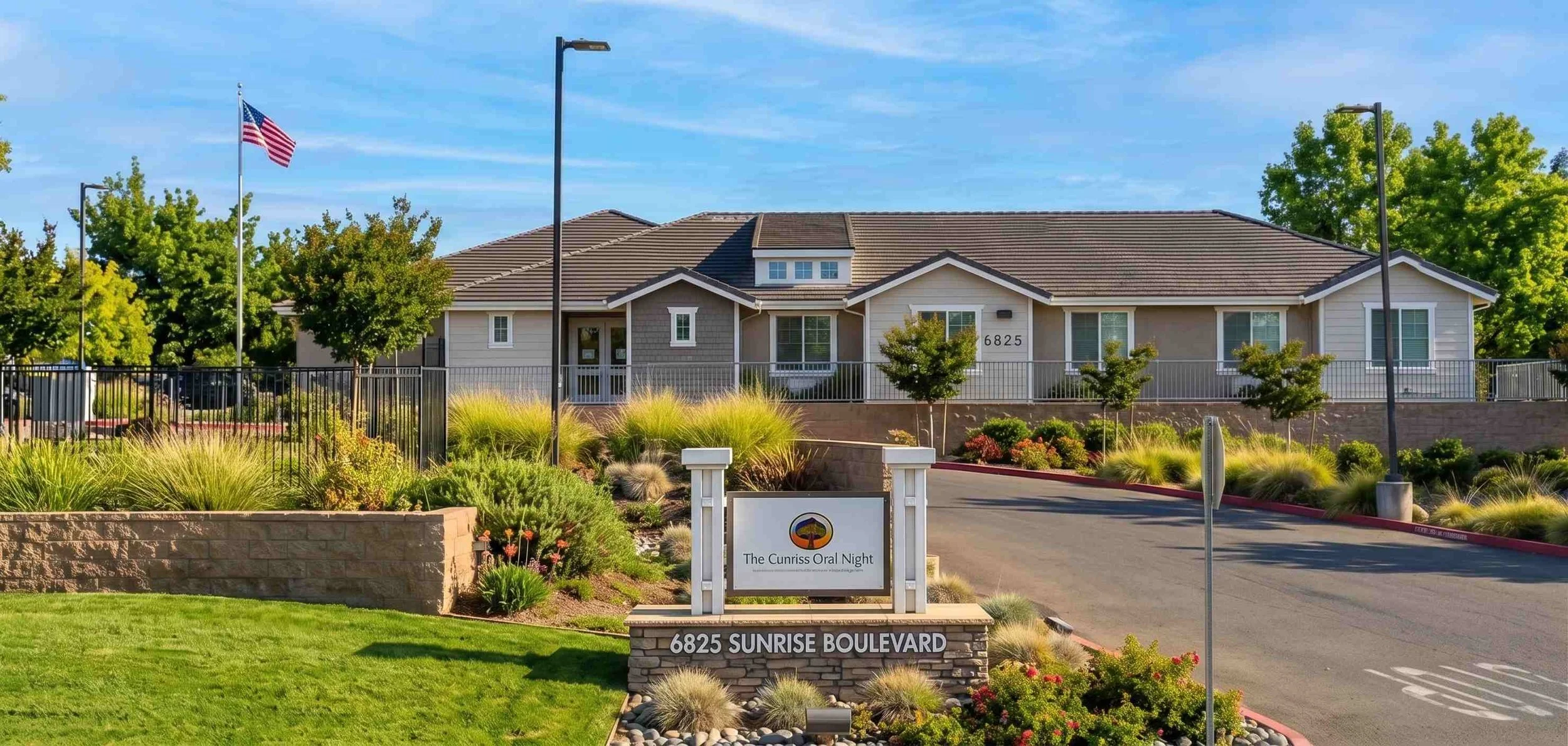
The Courte at Citrus Heights is a licensed residential care community in Sacramento County. It sits at 6825 Sunrise Blvd, Citrus Heights, CA 95610, and holds state license number 342700077. The community is licensed for 48 residents and offers assisted living along with memory care for people living with Alzheimer's or other forms of dementia.
It is part of the Frontier Senior Living network. Frontier communities use a memory-focused approach called the Spark program. Details can change over time, so it is always worth confirming current care and openings directly.
Is Memory Care the Right Fit?
Memory care is a type of assisted living built around dementia. Staff are trained for memory loss, and daily life is set up to feel calm and safe. For many families, that focus is the reason they look here.
How Memory Care Differs From Assisted Living
Regular assisted living helps with daily tasks like bathing, dressing, and medicines. Memory care adds a secure setting and staff who understand confusion and wandering. The layout, the routine, and the activities are all shaped for a person with memory loss.
A community that offers both can be helpful over time. If needs grow, a resident may be able to shift care without leaving a familiar place. That kind of continuity can ease a hard road for the whole family.
Signs It May Be Time to Consider Memory Care
It is not always clear when home is no longer safe. A few changes often prompt families to start looking:
Wandering, getting lost, or leaving the stove on
Missed medicines or trouble managing them safely
Weight loss or skipped meals
More falls or close calls
Caregiver burnout in the family
None of these alone means a move is due. Together, though, they can be a sign that more support would help. A doctor can help you sort out what level of care fits.
Questions Worth Asking on a Tour
A tour tells you more than any brochure. Bring a short list of questions and notice how the staff answer them. A few worth asking:
How are care plans built, and how often are they reviewed?
What is the ratio of caregivers to residents during the day and at night?
How does the team handle a resident who becomes anxious or tries to leave?
What does a normal day of activities look like?
How does the community share updates with family?
What Daily Life in Memory Care Can Look Like
A good memory care day has a gentle, steady rhythm. Routine lowers stress for someone with dementia. Meals, rest, and activities tend to follow a familiar pattern.
Activities and Connection
Activities are chosen to fit each person's abilities. Music, simple crafts, gardening, and light exercise are common. The goal is to keep residents engaged and feeling useful, not to test them.
Safety and Comfort
Memory care settings are built to lower everyday risk. Secured entries, clear walking paths, and good lighting all help. Staff keep a quiet eye on residents around the clock.
Meals and Nutrition
Eating well can get harder with dementia. Regular meals, easy choices, and a calm dining room all support appetite. Staff can watch for weight changes and adjust as needed.
Helping a Parent Settle In
A move is a big change, and the first weeks matter. Familiar things and a steady routine help a new place start to feel like home. Your presence and patience count for a lot here.
Preparing for Move-In Day
A little planning makes the first day smoother. Along with the LIC 602 physician's report, most communities ask for a recent TB test and a current medication list. Pack clothing, toiletries, and a few comfort items to start.
Easing the First Few Weeks
Bring a few loved objects, like photos, a favorite chair, or a soft blanket. Keep visits gentle and fairly regular at first. Small comforts and a calm tone can settle nerves on both sides.
Staying Involved as Family
You are still part of the care team after a move. Share what you know about your parent's likes, habits, and history. That kind of detail helps caregivers connect and respond with more warmth.
Keeping Up With Health and Doctor Visits
Good day-to-day care still needs a doctor in the picture. Medicines, checkups, and small health changes all need a steady eye. Getting to a clinic can be hard for someone with memory loss.
One option some families use is a doctor who visits residents in their community. A visit in a familiar room is often calmer than a trip out. It can also make it easier to keep up with regular care.
Steady medical care can prevent small problems from growing. A missed medicine or a quiet infection is easier to catch with regular check-ins. That kind of follow-through supports both health and everyday calm.
How the California Move-In Process Works
California sets clear steps before a resident moves in. The steps protect your loved one and match care to real needs. Knowing them ahead of time removes a lot of guesswork.
The physician's report, or LIC 602, is the medical piece. A doctor notes health conditions, medicines, and the help your parents need each day. The community uses it to build a care plan and confirm it can meet those needs.
The community also does its own assessment. Staff review the plan over time and adjust it as needs change. Ask how often that review happens so you are never caught off guard.
Life Around Citrus Heights
Citrus Heights is a suburb in the Sacramento area. The community sits along Sunrise Boulevard, a main road with shops and services nearby. The wider region is known for warm, sunny weather most of the year.
For families, the location can make visits simpler. Parks, cafes, and errands are close by for a short outing on a good day. Being near the rest of Sacramento County also keeps other services within reach.
A familiar area can also help a new resident feel grounded. Driving past known streets or a favorite park can bring comfort. Small, easy outings often mean more than big plans.
Taking the Next Step
Choosing a community is rarely a quick decision. It helps to tour a few places, ask questions, and compare notes with family. Trust what you see and how your parents seem to feel there.
If the search feels heavy, you do not have to do it alone. A senior placement advisor can help you weigh options and narrow the list. To reach The Courte at Citrus Heights directly, you can call (916) 721-0644 and confirm current care, openings, and licensing status before you decide.
Take your time and lean on the people around you. A choice made with care tends to sit easier later. Your loved one is lucky to have someone looking this closely.
Explore More Assisted Living Communities

Address: 280 N Wilshire Ave, Anaheim, CA 92801