
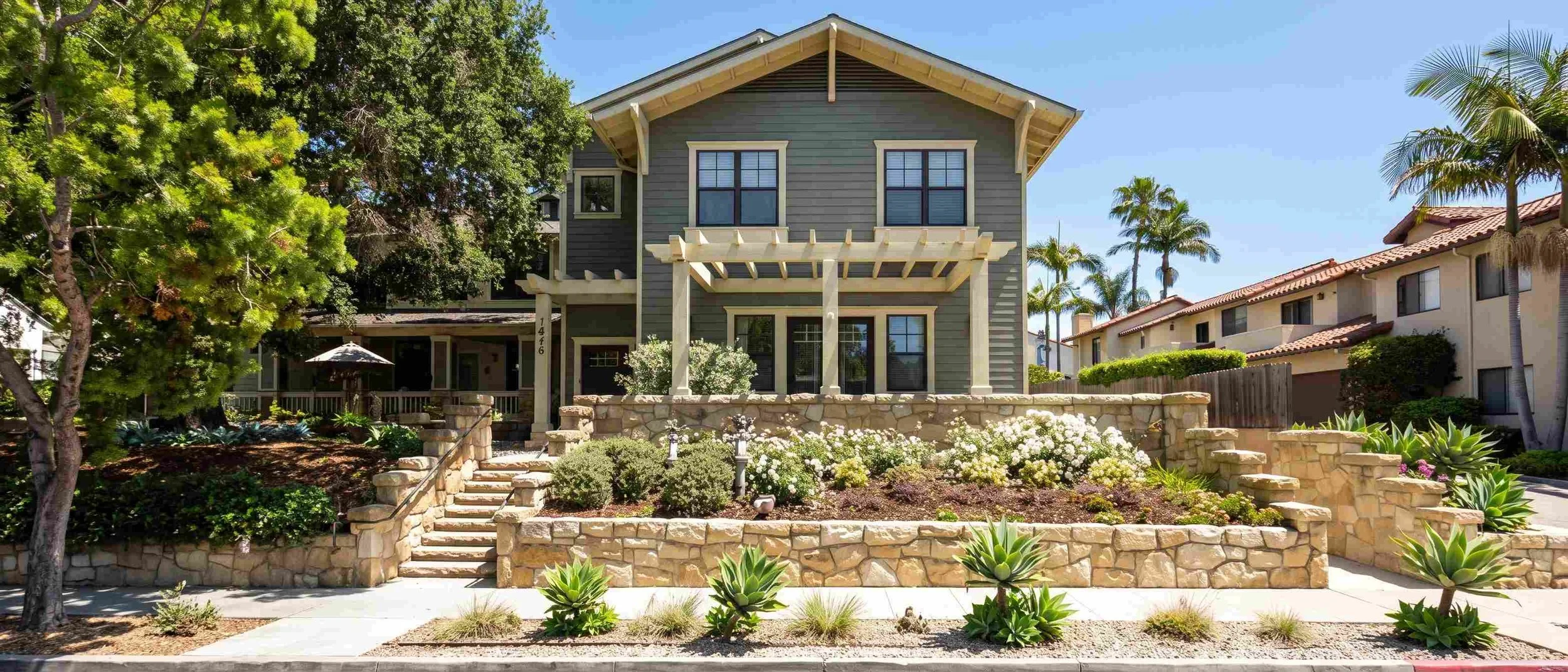
What Makes This Community Different From Mixed Senior Living
Oak Cottage is licensed only for memory care, so every resident is living with dementia. There is no separate independent wing and no assisted living floor that someone might get moved out of later. That single focus changes the daily rhythm of the building.
Staff are not switching between a resident who wants to drive to the store and a resident who cannot find the bathroom. Activity planning, meal pacing, and door security are all built around memory loss instead of being added onto a general senior living program.
For families, that usually means fewer moves. One of the hardest parts of dementia care is being asked to relocate a parent when their needs outgrow the license. A community licensed for memory care from the start removes one version of that worry.
Who Memory Care at Oak Cottage Is Built For
This community fits someone with diagnosed dementia who is no longer safe at home alone, but who does not need hospital-level nursing. Wandering, nighttime confusion, forgotten meals, and stove safety are the usual reasons a family starts looking.
It is less likely to fit someone who only needs help with housekeeping and reminders. A smaller board and care home in Santa Barbara, or in-home help, often matches that stage better and costs less. Ask the community directly where their current residents sit on that range.
Capacity matters here too. Fifty licensed beds is mid-sized for Santa Barbara, which is large enough to run several activity groups a day and small enough that staff learn names quickly. Ask how many residents are actually in the building this month, since licensed capacity and census are different numbers.
Address, License, and the Basic Facts
Everything in the table below comes from the California licensing record and the community's own site. Check the license number yourself before a deposit, because status can change between the day a page is written and the day you sign.
|
Detail |
On Record |
|---|---|
|
Address |
1820 De La Vina Street, Santa Barbara, CA 93101 |
|
License number |
425802118 |
|
Licensed capacity |
50 residents |
|
Facility type |
Residential Care Facility for the Elderly (RCFE), memory care |
|
Licensed since |
April 10, 2018 |
|
Phone |
(805) 456-7270 |
|
County |
Santa Barbara |
The licensing record lists the facility as licensed with a capacity of 50. The community markets its program as Generations Memory Care, which is the name you will see on floor plans and tour materials rather than on the license.
How Medical Care Works Once Someone Lives There
Doctor Visits Inside the Building
An RCFE is not a medical facility, so residents keep their own doctors and outside appointments. That is fine until a urinary infection, a fall, or a medicine change needs a same-week look, and the family is suddenly arranging transport for someone who finds car rides frightening.
Many Santa Barbara families solve that with a physician who comes to the building. A doctor who visits residents in their room can handle routine follow-ups, review medicines, and check a wound without anyone leaving the community. Ask the administrator which visiting providers already come on site, so you are not duplicating what is in place.
When Care Shifts Toward Comfort
Late-stage dementia often reaches a point where comfort matters more than testing. Hospice teams come to the resident's room and work alongside community staff. Pacific Crest Hospice serves Santa Barbara along with Ventura and the surrounding towns, which is the kind of coverage worth knowing about before you need it.
Bringing hospice in does not mean moving out. It usually means extra hands, better pain control, and someone to call at two in the morning. Families who ask about it early tend to feel less rushed when the moment arrives.
How to Compare Memory Care Communities in Santa Barbara
The most useful thing you can do is visit more than once, at different times of day. A Tuesday morning tour and an unannounced Saturday afternoon visit tell you two different stories about staffing and mood.
The National Institute on Aging suggests calling and visiting several facilities, asking questions during each visit, and checking whether the place offers the specific services a person needs, including a special unit for people with memory problems or dementia. It also recommends asking health care providers, social workers, and people you trust about their own experience with particular facilities.
Bring a short list of questions and ask the same ones everywhere. Staff-to-resident ratio on the night shift, how many caregivers have been there over a year, what happens after a fall, and how medicine changes get communicated to you will separate communities faster than a brochure will.
Write down the answers during the visit. Three tours blur together by the weekend, and the detail you half remember is usually the one that mattered.
Getting Ready for the Move
Start the paperwork before you are in a crisis. The physician's report, the medicine list, insurance cards, and legal documents like a power of attorney all take longer to gather than families expect, and a hospital discharge rarely waits.
The National Institute on Aging's guidance on finding long-term care for a person with Alzheimer's covers how to prepare for the search and what to look at during a visit. Reading it before the first tour makes the questions come more easily.
Pack the room with familiar things rather than new ones. A worn chair, the right bedspread, and framed photos settle someone faster than fresh furniture. Label clothing, and keep one duplicate set of key documents at home.
The De La Vina Street Neighborhood
The community sits on De La Vina Street in the 93101 ZIP code, which covers central Santa Barbara. The streets around it are flat and gridded, which makes short walks and wheelchair pushes easier than they are in the hillside neighborhoods above the city.
Being this close to the city center matters mostly for visitors. Adult children flying into Santa Barbara, or driving up from Ventura, can reach the building without navigating canyon roads, and there are cafes and shops within a short drive for a visit that does not stay in the lounge.
Ask about outdoor space on your tour. In a climate like this, a secured garden or shaded patio gets used nearly year round, and time outside is one of the few things that reliably helps sleep and mood in dementia.
Your Next Step
Call the community first and ask two things: whether they have an opening now, and what their current monthly rate covers. Rates in Santa Barbara vary by room type and care level, so a single number from a directory site is rarely the number you will pay.
If you are comparing several buildings at once, or a hospital discharge is pushing the timeline, a senior placement agency can narrow the list and arrange tours for you. Many work at no cost to the family because communities pay the referral, so ask how any agency you speak with is paid.
Contact details: Oak Cottage of Santa Barbara Memory Care, 1820 De La Vina Street, Santa Barbara, CA 93101, phone (805) 456-7270, license 425802118. Current pricing, floor plans, and tour scheduling are on the community's own site at oakcottagesb.com.
Sources Used
Alzheimer’s Caregiving: Finding Long-Term Care – National Institute on Aging (2024)
How To Choose a Nursing Home or Other Long-Term Care Facility – National Institute on Aging (2023)

Written by Sofiia Puhach
Ocotober 15, 2026
Explore More Assisted Living Communities in Simi Valley
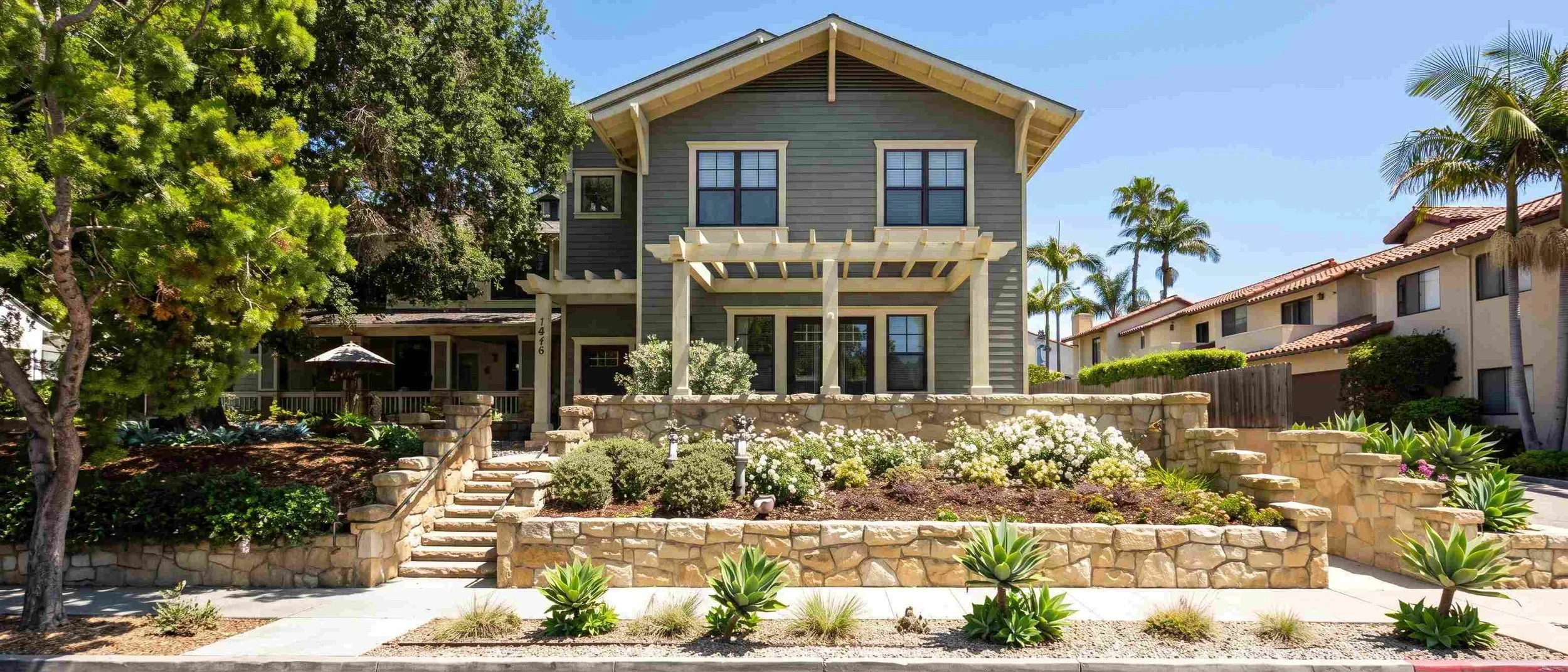

Address: 45 East Alamar Avenue, Santa Barbara, CA 93105