
Villa Alamar
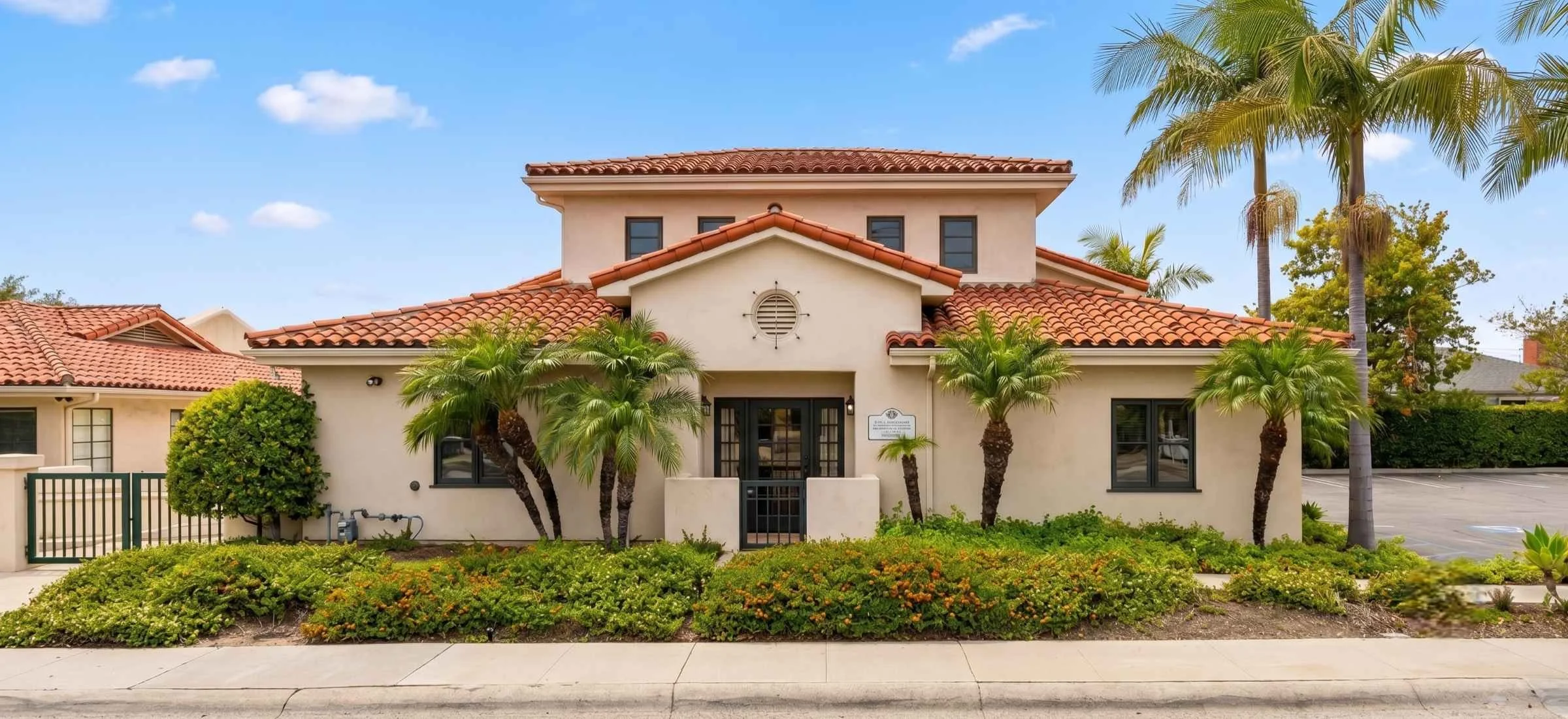
Villa Alamar is a locally owned residential care community in Santa Barbara, California, that focuses specifically on memory care. Set on the city's Upper East Side at 45 E Alamar Avenue, it is licensed by the state (license number 425850001) for up to 43 residents. Rather than being one wing of a large campus, Villa Alamar is built around supporting people living with Alzheimer's disease and other forms of dementia, which shapes everything from the layout to the daily routine.
A Memory Care Community in the Heart of Santa Barbara
What Makes It Distinct
What stands out about Villa Alamar is its single-minded focus on memory care. Communities that try to serve every level of need sometimes treat dementia as an add-on; here, supporting memory and dignity is the whole purpose. That focus tends to show up in small, meaningful ways, such as calm and easy-to-navigate spaces, staff who are used to the rhythms of dementia, and a daily structure designed to reduce confusion and support the abilities a person still has. For families, that specialization can bring real reassurance, because the whole environment, from the pace of the day to the way staff communicate, is set up with memory change in mind rather than adapted as an afterthought.
The Setting
The community sits in a quiet, established Santa Barbara neighborhood known for its mild coastal climate and walkable, tree-lined streets. A familiar, homelike setting matters a great deal in memory care, where calm surroundings and natural light can ease anxiety and support better days. For local families, the location also means a loved one can stay close to the community they have always known.
Care and Daily Support
Help With Daily Living
Day-to-day, memory care means steady, patient help with the tasks that become harder over time. That typically includes assistance with bathing, dressing, grooming, and moving safely around the home, along with support at mealtimes and gentle prompting through the daily routine. In a community focused on dementia, this help is offered in a way that protects a resident's dignity and independence, stepping in where needed while encouraging the person to do what they still can. Caregivers who know a resident well can also spot early signs that something is off, a change in appetite, mood, or sleep, and respond before a small issue grows. That familiarity is one of the quiet advantages of a smaller, memory-focused community, where staff and residents come to know one another well.
Medications and Health Support
Supervision and medication management are central to residential care, so that prescriptions are taken correctly and changes in health are noticed early. Coordination with a resident's own doctors keeps care consistent, and when getting to appointments becomes difficult, some families choose to have a doctor visit the resident where they live. Keeping routine check-ins on-site can reduce stressful outings and help a person stay comfortable and settled.
Daily Life and Dining
A Predictable, Engaging Day
A steady daily rhythm is one of the most calming things a memory care community can offer. Familiar routines around waking, meals, activities, and rest help residents feel oriented and secure. Gentle, meaningful activities, such as music, simple crafts, light exercise, and time in the fresh air, give the day shape and a sense of purpose while meeting people at their current abilities.
Meals and Nutrition
Shared, home-style meals are a highlight of daily life and an important part of health and socializing. Regular, appealing meals and snacks support good nutrition, and eating together offers a natural, low-pressure way for residents to connect. Attention to individual dietary needs helps make mealtimes both nourishing and enjoyable. For someone living with dementia, a calm dining setting and familiar dishes can also make eating easier and more pleasant, which supports both appetite and wellbeing.
Key Facts at a Glance
Type: Residential care community (assisted living / memory care focus)
License number: 425850001
Status: Licensed
Capacity: 43 residents
Address: 45 E Alamar Ave, Santa Barbara, CA 93105
County: Santa Barbara
Assisted Living and Memory Care: Know the Difference
Families often ask how assisted living and memory care differ. Assisted living supports older adults who need help with some daily tasks but are largely independent. Memory care is a specialized form of that support, designed for people living with Alzheimer's disease or another dementia, with extra structure, closer supervision, secured and easy-to-navigate spaces, and staff experienced in dementia. Because Villa Alamar centers on memory care, it is geared toward residents whose main need is support with cognitive change, rather than only physical assistance. Understanding this difference helps families judge whether a community matches their loved one's needs now and as those needs evolve.
Questions to Ask When You Tour
A visit tells you far more than any brochure. Walking through, noticing how staff speak with residents, and asking a few direct questions helps you picture whether the home is the right fit. Families who feel unsure where to start sometimes work with a senior placement advisor who helps compare communities and coordinate tours, which can take pressure off during an emotional time. Helpful questions to bring along include:
What is the ratio of caregivers to residents during the day and overnight?
How is a resident's care plan created and how often is it reviewed?
How are medications managed and how is a change in health handled?
What does a typical day of activities look like?
How does the community keep residents safe while supporting independence?
How do you communicate with families about updates and concerns?
Life in Santa Barbara and the Surrounding Area
Location is part of what makes a community feel right. Santa Barbara offers a mild, sunny climate, gardens and coastline, and a close-knit feel that many longtime residents cherish. For families, the Upper East Side setting means a loved one can remain near familiar surroundings, and nearby medical care and hospitals add peace of mind. Being able to visit easily, drop by for lunch, or take a short walk together helps families stay closely involved in a loved one's daily life. Staying involved is good for residents too, since regular contact with family supports mood, connection, and a sense of continuity with the life they have always known. Local outings, a garden visit, or simply sitting together in the sunshine can become small, meaningful rituals that everyone looks forward to.
Helping a Loved One Settle In
The first weeks after a move can be tender for everyone. A few simple steps ease the transition: bringing familiar items such as photos, a favorite chair, or a well-loved blanket helps a new room feel like home, and keeping a consistent visiting rhythm offers reassurance. It also helps to share your loved one's history, preferences, and routines with the care team, so staff can connect through the music, foods, and stories that matter most. Give the adjustment time; it is normal for both the resident and the family to need a little while to settle. Staying in steady, open communication with the community turns those early weeks into a partnership focused on your loved one's comfort.
Taking the Next Step
Choosing a memory care community is a big decision, and it is worth taking the time to visit, ask questions, and picture your loved one there. You can learn more directly from the Villa Alamar website, and review the community's current license and status on the state's California care facility listing. If you would like help comparing options and arranging visits, you can also connect with a senior placement service that guides families through the search. Whatever you decide, gathering clear, current information is the best way to move forward with confidence.
Explore More Assisted Living Communities

Address: 7043 Tampa Ave, Reseda, CA 91335