

Windchime of Marin is a boutique memory care community at 1111 Sir Francis Drake Blvd, Kentfield, CA 94904. The state licenses it as a residential care facility for the elderly under License Number 216800977, with a licensed capacity of 55 and a first license date of 10 July 2001. If you have been searching memory care San Rafael listings, this one sits in neighboring Kentfield rather than in San Rafael itself.
What Kind of Community This Is
It is memory care only, which is the first thing worth knowing. Many Marin County communities take a mix of assisted living and memory care residents and run a secured wing for the second group. Windchime does not split that way. Every resident here is living with memory loss, and the whole building is built around that.
The community describes itself as a boutique-style community specializing in serving individuals living with memory loss, with more than 20 years of operation in Kentfield and a person-centered Generations Memory Care program. Its published service list covers cognitive care and memory support, care for advanced disease stages, and respite care.
Size and Who Holds the License
Size is the practical consequence of all that. A licensed capacity of 55 puts it between the six-bed board and care model and the large campuses, which matters because those two ends of the market behave differently. Small group homes have their own trade-offs around staffing and oversight, and a mid-sized community sits in between on most of them.
The license is held by Windchime Group LLC together with Integral Senior Living LLC, and the administrator on the state record is Mary McClure. Both licensee and administrator details change over time, so confirm them when you call, and ask how long the current administrator has been in post. Turnover at that level tends to show up in the daily experience of residents.
How Memory Care Differs From Assisted Living
The difference is in supervision and staff training rather than in the furniture. Families comparing options across Marin County hit this question early, usually while reading two brochures that look almost identical and cost very different amounts. The distinction is worth getting straight before any tour.
What Assisted Living Covers
The National Institute on Aging (2023) describes assisted living as housing for people who need daily help but less than a nursing home provides, with residents in their own room or apartment and shared common areas. Services typically include up to three meals a day, help with personal care and medications, housekeeping and laundry, 24-hour supervision, and social activities.
Payment is the part that surprises people. NIA notes that most residents pay privately, that Medicare does not cover assisted living, that Medicaid may cover some aspects depending on the state and eligibility, and that some long-term care insurance policies cover part of it. Exact arrangements vary by facility and by state.
What a Dementia Program Adds
NIA (2024) notes that some assisted living facilities have special units for people with Alzheimer's, staffed by people who check on and care for residents with dementia, and that the cost for that care may be charged on top of the room. In nursing homes those units are often a separate section of the building with staff trained specifically in dementia care.
What that looks like day to day is mostly about approach. Staff trained in dementia care do not argue with a resident about facts, and why correcting someone with dementia backfires is the clearest explanation of that principle. It is a fair thing to watch for on a tour.
What to Ask on a Tour of Windchime of Marin
Ask the questions that are hard to answer with a brochure. NIA recommends visiting at different times of day and meeting the community's leaders, which tells you more than a single scheduled mid-morning tour does. Late afternoon, when fatigue and confusion tend to peak, is the visit most families never think to make.
Its list of questions for staff translates almost word for word to a memory care visit. Writing them down beforehand keeps the conversation from drifting into a sales presentation, and it gives you something to compare against when you tour the next community two days later:
What activities are planned for residents, and how are they adapted?
How many staff members are here, and how many are trained to provide medical care?
How many residents are living with Alzheimer's or another dementia?
Is there a doctor who checks on residents regularly, and how often?
What is included in the fee, and what costs extra?
How would my relatives get to medical appointments?
NIA also lists what to notice while you are standing there: how staff care for residents, whether the place feels comfortable, whether residents look clean and well cared for, whether mealtimes are comfortable, whether the building looks and smells clean, and whether staff speak to residents with patience and respect.
Cost Questions Belong on the Same Visit
Cost belongs in the same conversation. NIA advises asking about the total cost of care and whether long-term care insurance, Medicaid or Medicare will pay for any of it, and making sure you understand any contract before signing. For families funding a move by selling a house, the timing of that sale has tax consequences worth checking first.
Medical Care and the LIC 602A
A California residential care facility is not a medical facility, so the medical side stays with outside clinicians. That is true at Windchime of Marin as it is everywhere else in the state, and it is why the physician's report matters so much at move-in.
The form has to describe the person as they actually are, which means an unhurried examination rather than a rushed one. Getting someone with dementia into a clinic for that appointment is often the hardest part of the whole admission, and doctors who visit residents in care communities handle both the initial report and the ongoing visits afterwards.
Ask the community who currently visits, how often, and what happens after hours or at a weekend. The answer differs between communities and changes over time, and it is one of the few questions where a vague answer tells you as much as a precise one would. Write down the name you are given and check it later.
The Neighborhood: Kentfield and Central Marin
Kentfield is a quiet, wooded stretch of central Marin along Sir Francis Drake Blvd, between Larkspur and Ross, with San Rafael and Greenbrae a short drive away. For families, the practical appeal is that it is easy to reach from most of the county without being on a busy commercial street.
The community lists the outings it uses nearby: the Marin Art and Garden Center and Gallery Leu for art, the Ross Valley Players and the James Dunn Theatre, Woodlands Market and Safeway for errands, St John's Episcopal and St. Anselm Catholic among local churches, and the Larkspur Landing Cinema. That list tells you something about how often residents actually leave the building.
Visiting is the other half of the geography. A location people can reach on a weekday evening gets visited more than one they cannot, and visit frequency is the single factor families most often underestimate when they compare addresses on a map.
If This Looks Like the Right Fit
Call the community directly and book a tour at a time that is not the quietest hour of the day. The published number on the community website is (415) 697-0828, and the Windchime of Marin website lists its floor plans, lifestyle pages and photo galleries, which are worth reading before the visit rather than during it.
If you are looking at several communities across Marin County at once, that comparison is a job in itself, and it is the thing placement advisors do all day. Agencies that help families compare and shortlist communities can narrow a county-wide list to the two or three worth touring, usually faster than a family can do it alone.
Think Two Years Ahead, Not Two Weeks
Whatever you decide, go in with the stage in mind rather than only the present week. Memory loss progresses, and knowing what the later stages of dementia actually involve makes it easier to ask a community what it can still handle in two years, not just what it can handle on move-in day.
And once the choice is made, NIA's advice for the move itself is worth keeping: get to know the staff before the day, talk to a social worker about how to help the person adjust, be an advocate for their preferences, and listen to concerns without arguing about why they need to be there.
Sources Used
Alzheimer's Caregiving: Finding Long-Term Care – National Institute on Aging (2024)
Long-Term Care Facilities: Assisted Living, Nursing Homes, and Other Residential Care – National Institute on Aging (2023)
WindChime of Marin-Alzheimer's & Dementia Community-Marin County – Windchime of Marin

Written by Sofiia Puhach
November 6, 2026
Explore More Assisted Living Communities


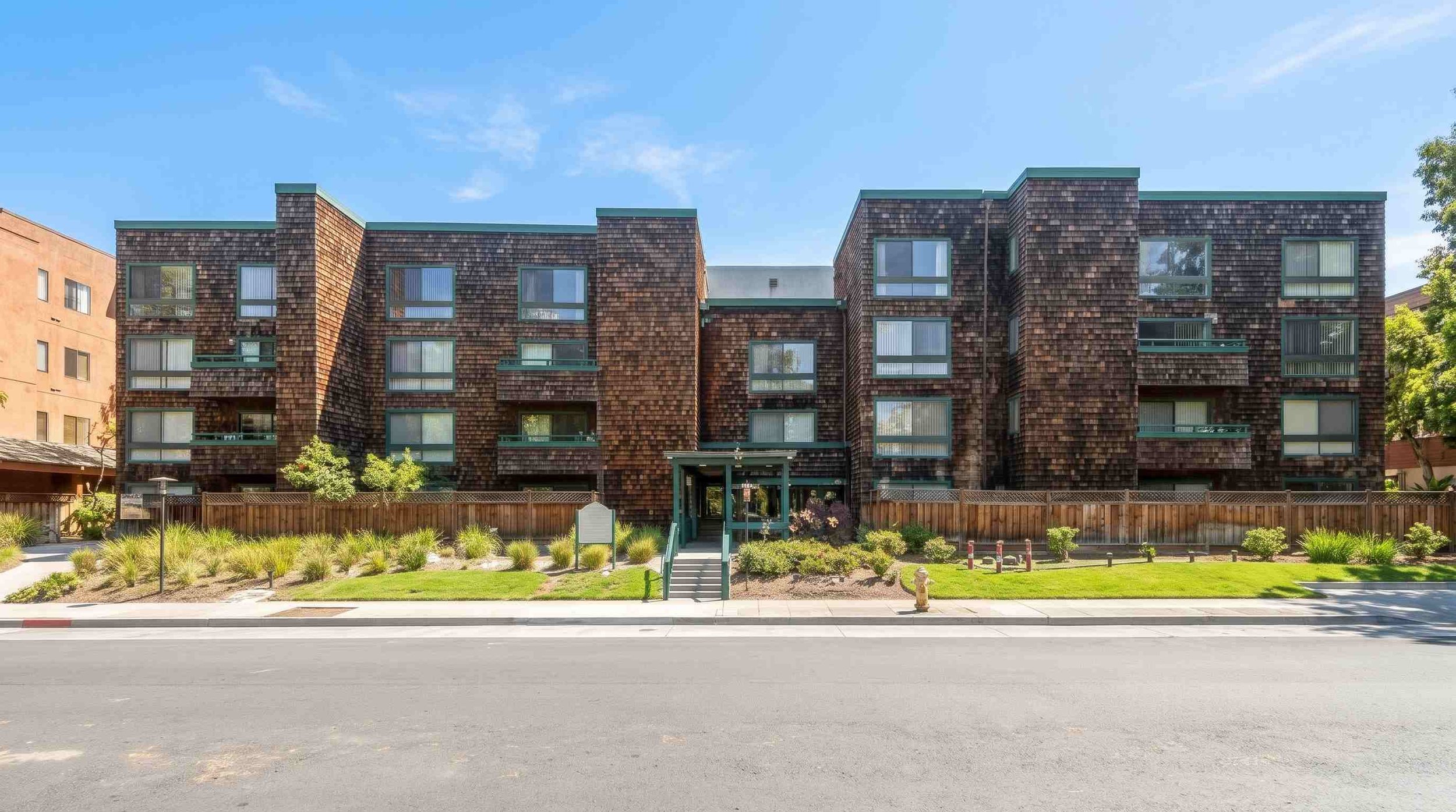

Address: 1111 Sir Francis Drake Blvd, Kentfield, CA 94904