
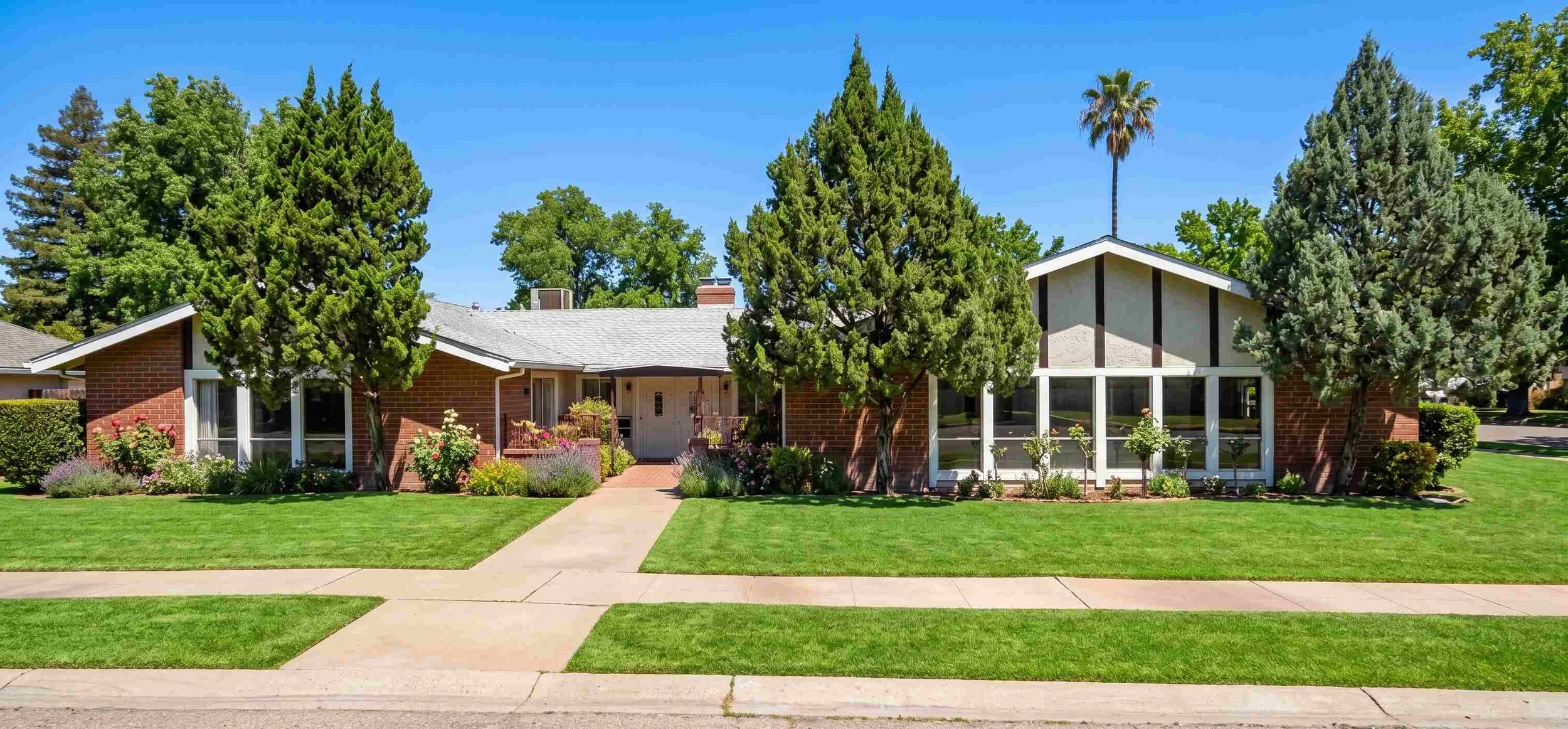
Comfort Haven for the Elderly is a licensed assisted living community in Marysville, California. It is a Residential Care Facility for the Elderly, licensed by the state under number 585002798, and it has cared for seniors here since 2016. The community is licensed for up to 48 residents and offers both assisted living and memory care.
Settling Into Life at Comfort Haven
The first thing most families want to know is what daily life feels like. Assisted living sits between living fully on your own and needing a nursing home. Residents keep as much independence as they safely can, with staff nearby when help is needed.
A community of this size can feel personal without being tiny. There is room for shared meals, common areas, and company. At the same time, staff can get to know each resident by name. For many older adults, that mix of routine and quiet companionship makes the days easier.
A Setting Built Around Comfort
Round-the-clock staffing is a core part of licensed assisted living. Someone is always awake and on hand. That matters most at night, or during a fall or a sudden change in health. Knowing help is close by brings peace of mind to residents and families alike.
Structure also helps older adults feel steady. Regular meals, familiar faces, and a predictable rhythm can ease anxiety, especially early on. Over time, many residents settle into the routine and start to feel at home.
Getting Ready to Move In
In California, joining an assisted living community begins with a doctor's visit. The physician fills out a standard state form that reviews your loved one's health, medications, and care needs. It gives the community a clear picture of how best to help from day one.
The move itself goes smoother with a little planning. Bring familiar items, like photos, a favorite chair, or a well-loved blanket. Small touches of home can make a new room feel less strange. Give the first few weeks some grace, since it often takes time to adjust.
Daily Care and Personal Support
Assisted living is built around help with the everyday tasks that get harder with age. The goal is support, not taking over. Staff step in where it is needed and step back where it is not.
In a community like this, that support usually covers things such as:
Help with bathing, dressing, and grooming
Reminders and help with medications
Meals and help at mealtimes
Housekeeping and laundry
Support getting around safely
Care needs change over time, and a good community adjusts with them. It is worth asking how care plans are reviewed and updated. That way you know the support can grow if your loved one needs more help later.
Health Support and Doctor Visits
Staying on top of health is easier when it does not mean a trip across town for every check-up. Older adults often see several doctors, and getting to each one can wear a family out. Assisted living communities usually coordinate with outside providers to keep care on track.
For routine visits, some families arrange for a doctor to come to the resident. A home visit can be gentler than a waiting room, especially for someone with memory loss or trouble getting around. It is one more way to keep care steady without extra stress.
It is also worth learning how the community handles a health change. Ask who they call in an emergency and how they keep families in the loop. Clear communication makes hard moments far less frightening for everyone.
Assisted Living and Memory Care, Explained
Comfort Haven offers both assisted living and memory care, and families often ask about the difference. Both provide housing, meals, and personal care. The gap is in how much support and structure a resident needs day to day.
When Memory Care Helps
Memory care is designed for people living with Alzheimer's disease or another form of dementia. Staff are trained to support memory loss with patience and routine. The setting is usually more secured, which lowers the risk of a resident wandering off and getting lost.
If your loved one is still fairly independent, standard assisted living may be the right fit. If confusion or wandering has become a safety worry, memory care may suit them better. A good community will help you honestly weigh which level makes sense now, and revisit it over time.
What to Look for When You Visit
A tour tells you things a brochure cannot. Pay attention to the small signals as much as the big ones. Here are a few things worth noticing:
Are residents clean, comfortable, and engaged?
Do staff speak with residents warmly and by name?
Is the community calm, or does it feel rushed and short-staffed?
Are common areas and rooms clean and well kept?
How does the food look and smell at mealtime?
Visit more than once if you can, and try different times of day. A weekday afternoon feels different from a busy morning. The more you see, the more confident your decision will be.
Life in Marysville and Yuba City
Location matters more than families expect. Being close makes it easier to drop by, join a meal, or step in on a hard day. Marysville sits in Yuba County, right across the river from Yuba City in the Sacramento Valley.
The area has a small-town feel with everyday conveniences nearby. There are local shops, parks, and medical services within a short drive. For relatives coming from Yuba City or nearby towns, the trip is usually quick and familiar.
Staying close also makes it easier to stay involved. You can join for lunch, help at an appointment, or simply visit on an ordinary afternoon. Those regular, low-key visits often mean the most to an older parent. They keep the bond strong, even after the move.
Planning Your Next Step
The best way to judge any community is to see it in person. Walk the halls, meet a few staff members, and notice how residents seem. Trust what you feel as much as what you are told.
It helps to come with questions ready. Ask about staffing at night, how care plans change, and what a normal day looks like. If the choice feels overwhelming, a senior placement advisor can help you compare options and narrow things down.
To visit or ask questions, Comfort Haven for the Elderly is located at 125 E Tenth Street, Marysville, CA 95901, in Yuba County. Since details like availability and services can change, it is wise to confirm the latest information directly with the community before you plan a move.
Explore More Assisted Living Communities
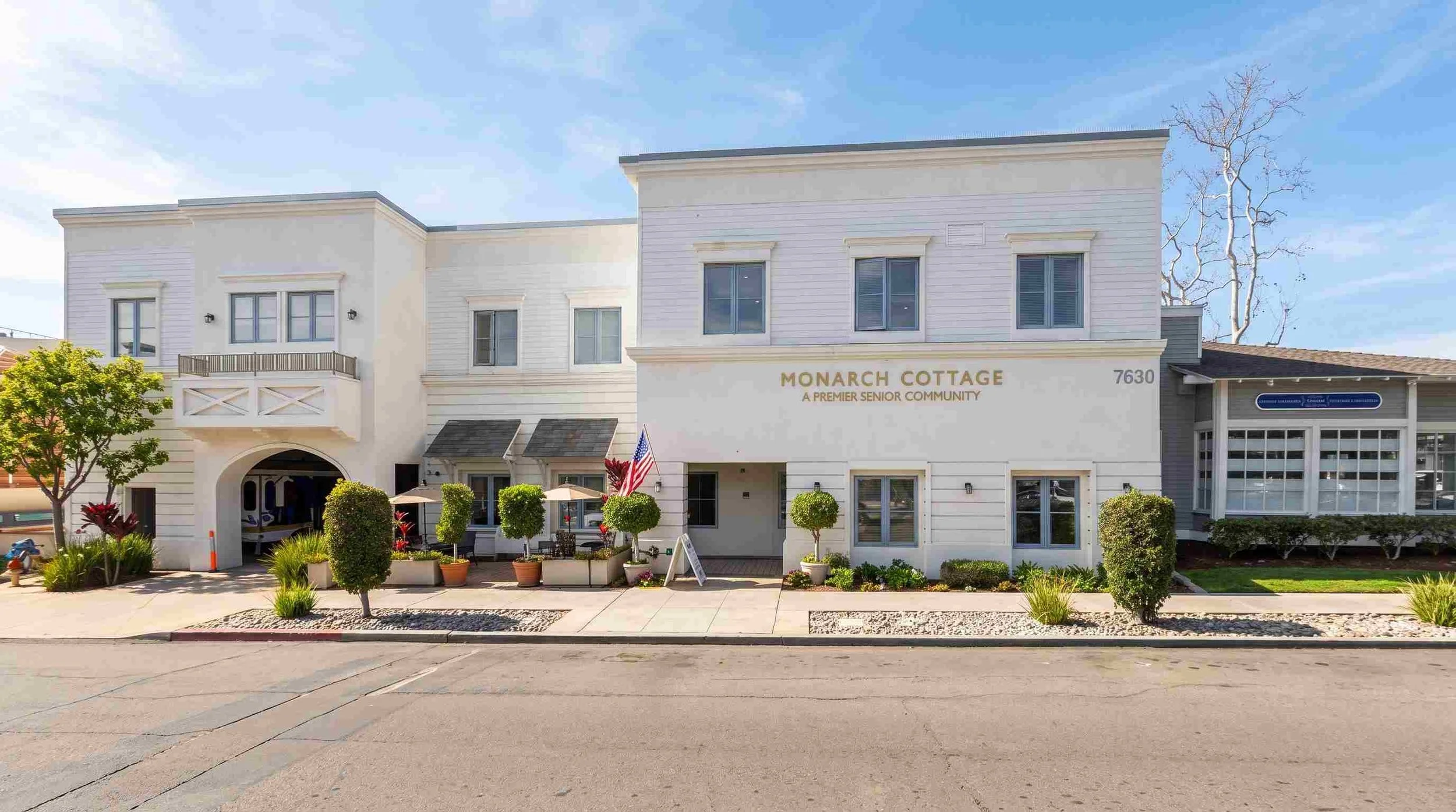


Address: 67 East Barnett Street, Ventura, CA 93001 (Ventura County)