Lovely Community Healthcare
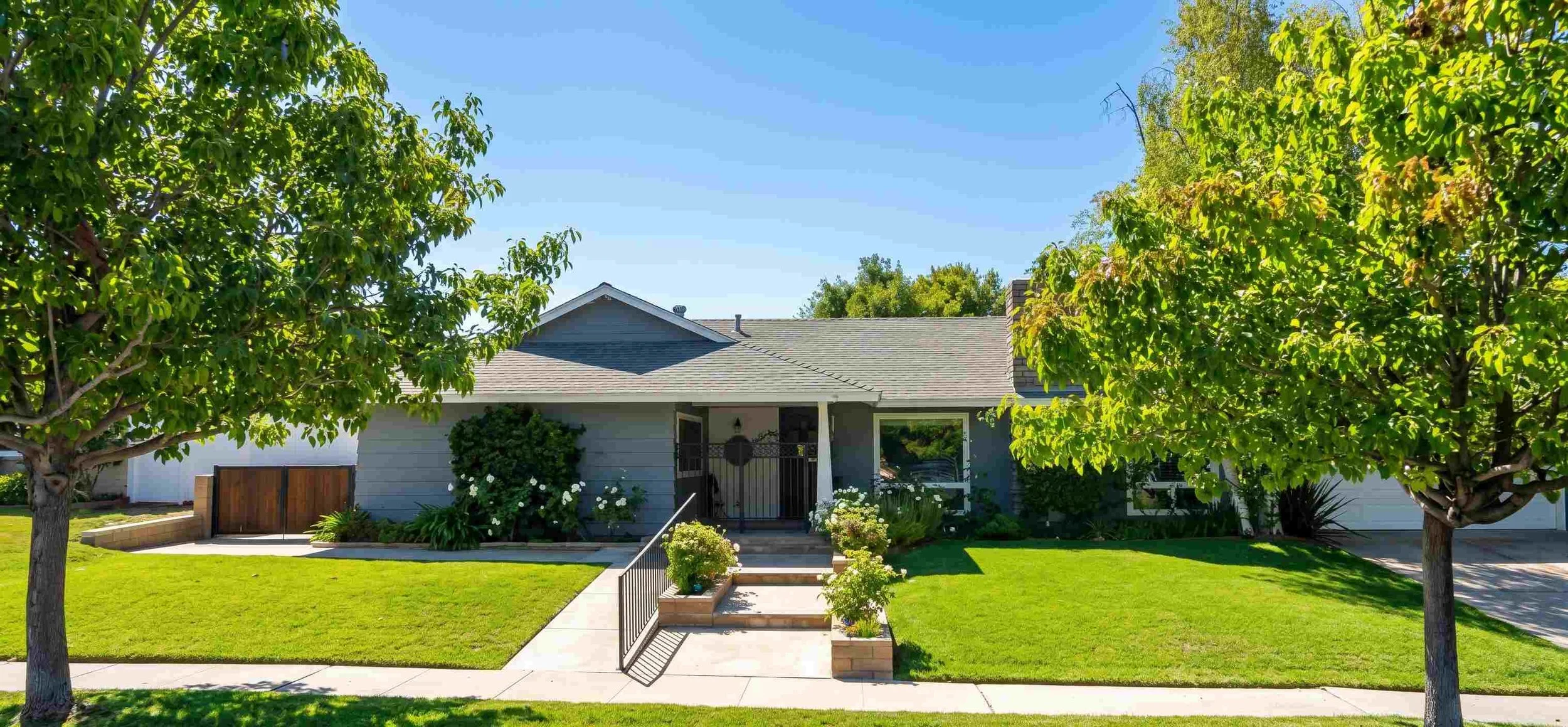
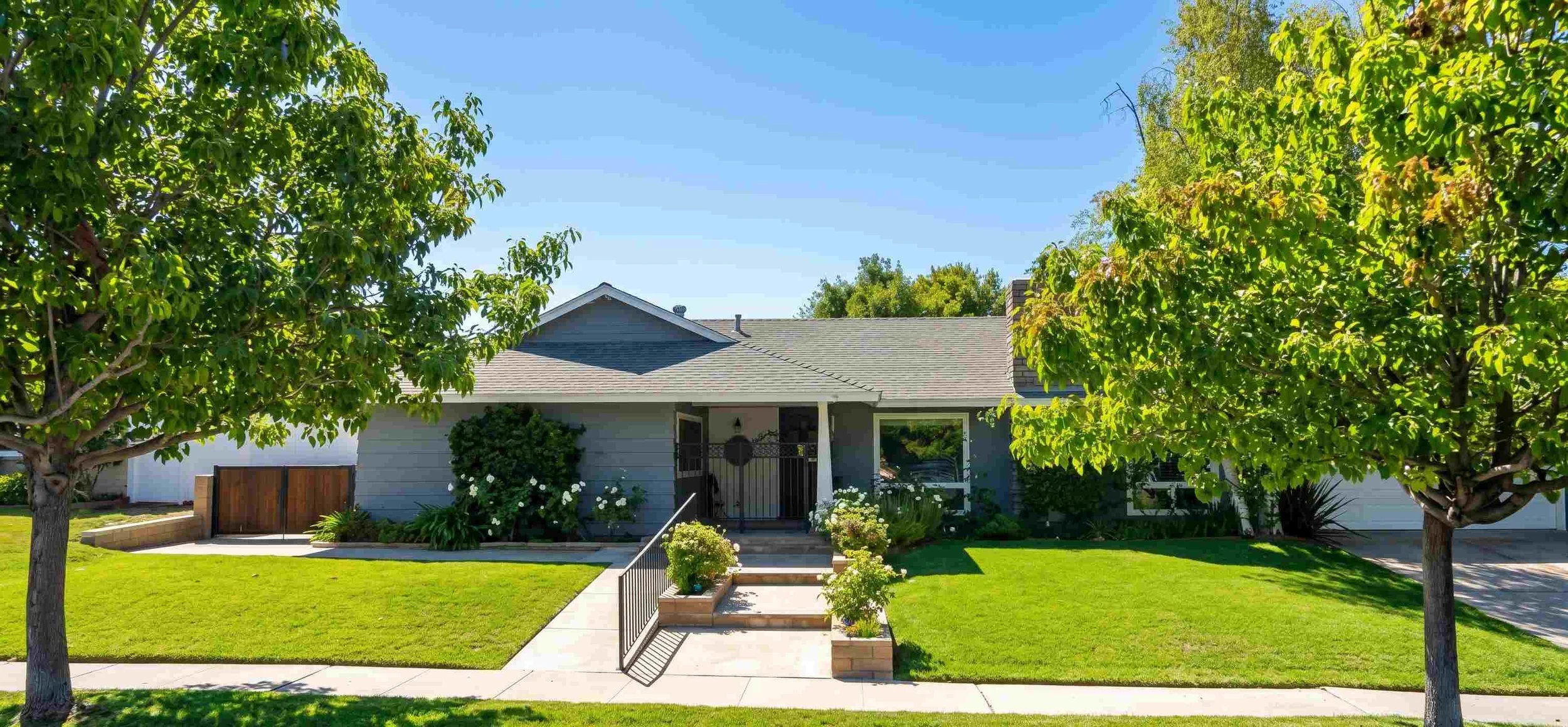
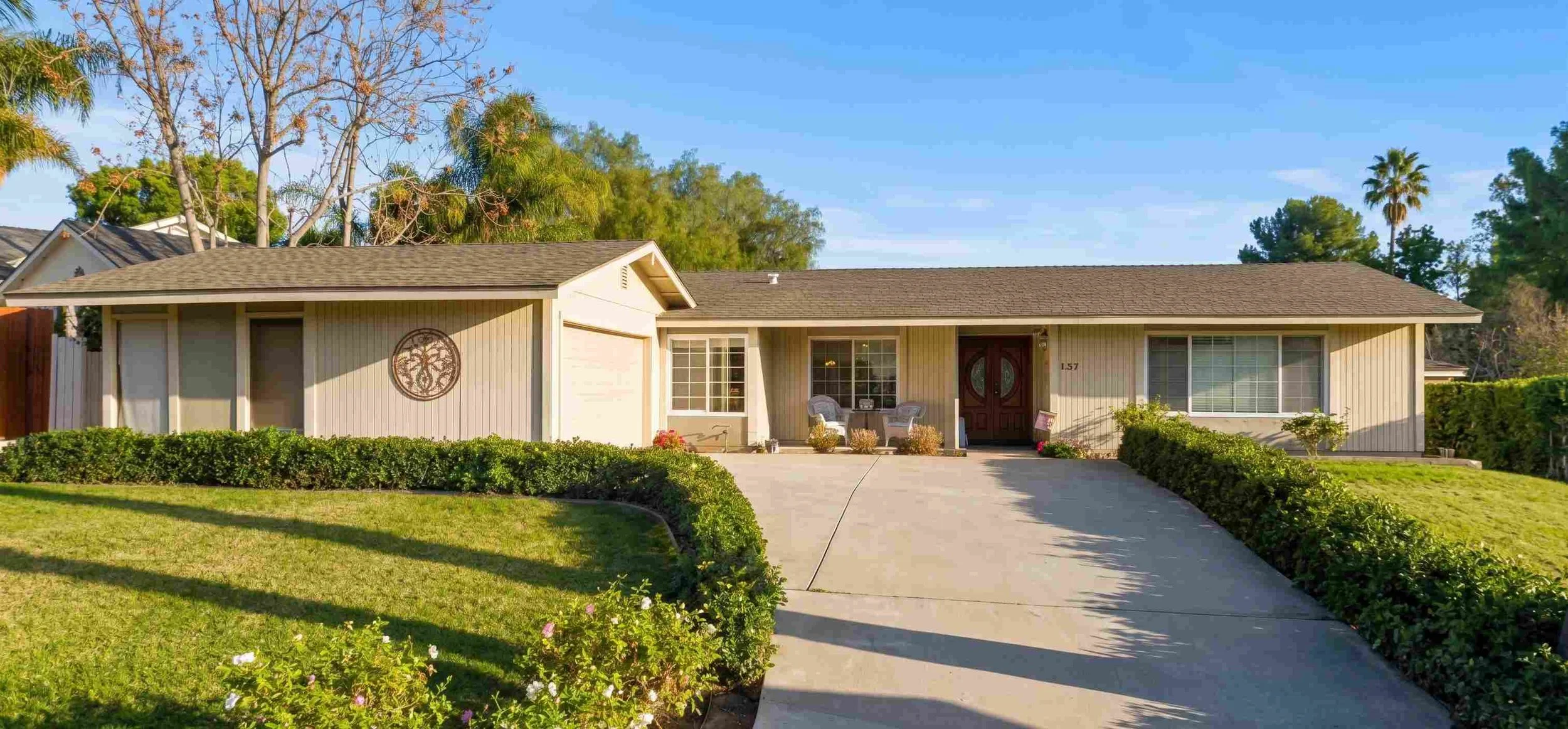
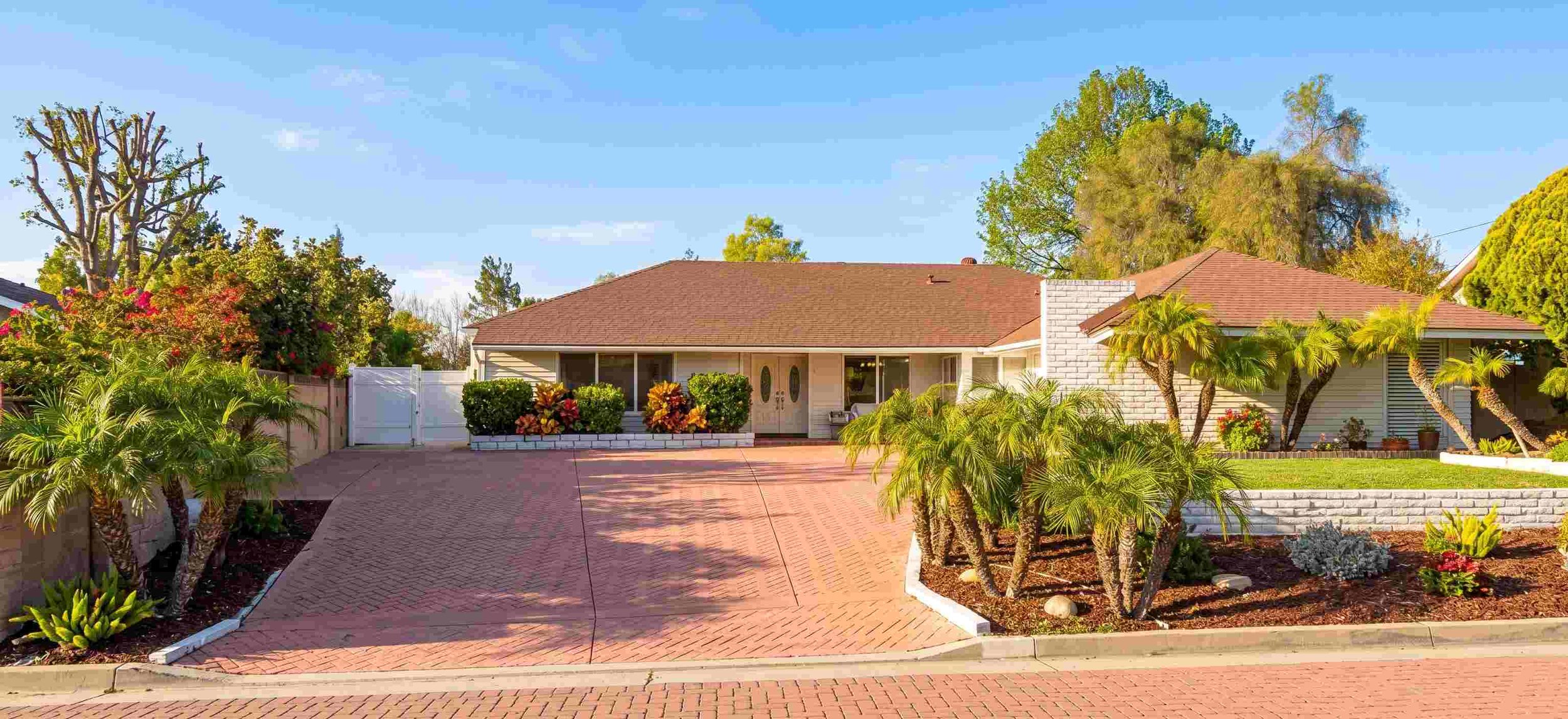
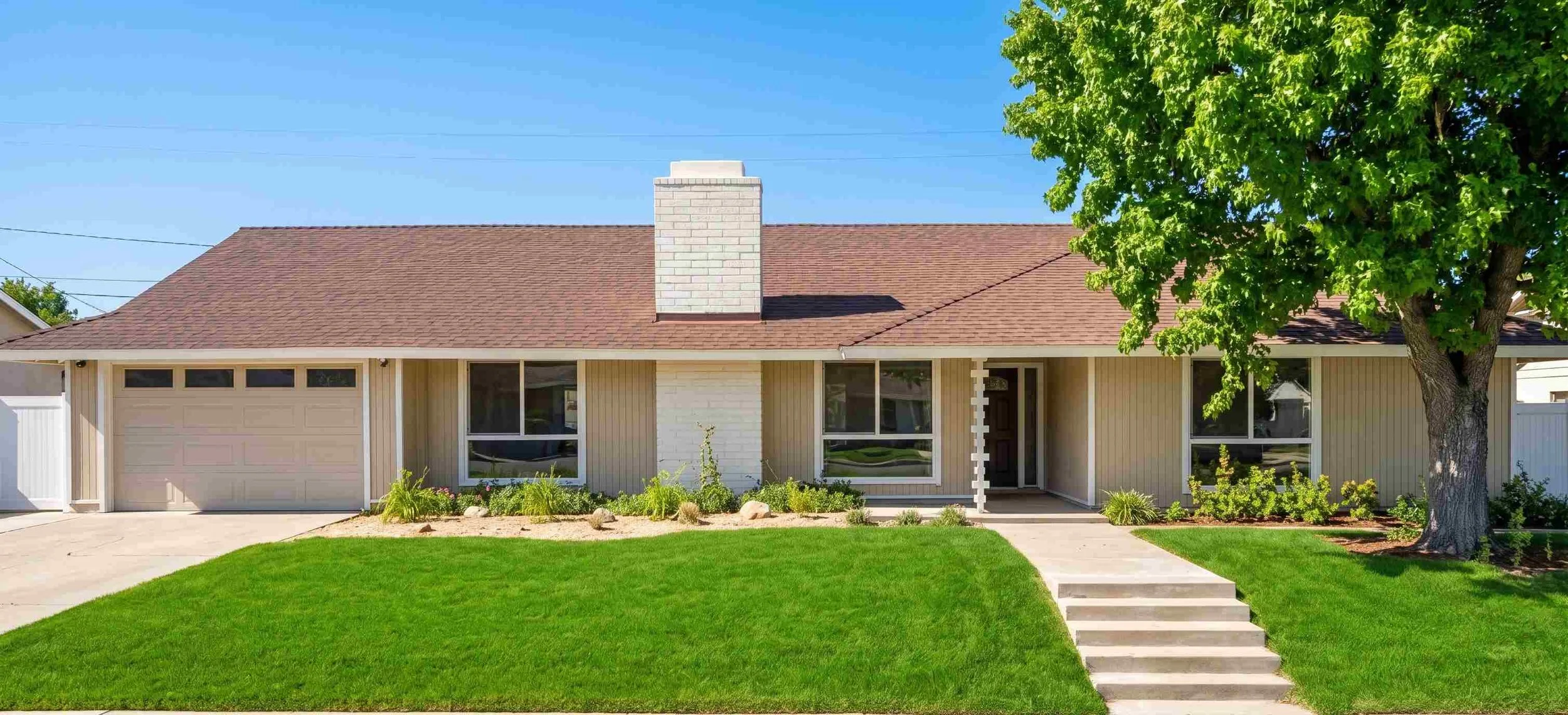
Families comparing memory care in Thousand Oaks often start with large communities and end up looking at houses. Lovely Community Healthcare is one of those houses: a licensed residential care home for six residents at 52 W Norman Avenue, Thousand Oaks, CA 91360, under license number 565802441, reachable at (805) 852-8770.
Its license was first issued in July 2017, and the same licensee operates a second six-bed home nearby on Dover Avenue. Two small houses under one operator is a common pattern in Ventura County, and it has practical consequences worth understanding before you tour either one.
Does a Six-Bed Home Count as Memory Care?
Not automatically, and this is the question families most need answered directly. In California, a small board and care home and a large assisted living community hold the same kind of license, and neither one is required to specialize in dementia.
What separates a home that can care for someone with dementia from one that cannot is training, staffing, and the physical setup. State law requires dementia training hours for direct care staff in elderly residential care, but requiring hours is not the same as building a program around them.
So ask the home plainly whether it currently accepts residents with dementia, whether it holds the required dementia care waivers for things like delayed-egress doors, and how many current residents have a dementia diagnosis. A clear answer either way is more useful than a reassuring one.
The physician's report is where all of this gets settled on paper. What the doctor documents about memory, orientation, wandering, and behavior is what determines whether a particular home is allowed to accept the person at all, so accuracy there protects everyone involved.
What Does Six Residents Actually Change?
The staffing arithmetic, more than anything else. A caregiver looking after six people in a house is in a completely different situation from one covering a wing of thirty, and that difference shows up most clearly at the hours when families are not visiting.
What Gets Easier
Routine becomes possible in a way it rarely is at scale. Meals can bend around what a resident actually eats, a bad night gets noticed rather than reported, and the same two or three faces appear every day, which matters enormously to someone whose memory is slipping.
Noise and confusion drop as well. A house with six people has no long corridors, no loudspeaker announcements, and no crowd at dinner, and for a resident who gets overwhelmed easily, that quiet is a form of care in itself.
What Gets Harder
There is no depth on the bench. If one caregiver is ill, the person covering may be the owner or a relief worker the residents do not know, and a home this size has fewer people to absorb that kind of gap.
Organized activities are also thinner. Six residents cannot support a calendar of classes, outings, and exercise groups, so families who value structured stimulation often find a larger community fits better, even when the smaller house feels warmer on a tour.
What Does Daily Life Look Like in a Home This Size?
It looks like a household, because it is one. Residents live in private or shared bedrooms in an ordinary Thousand Oaks house, share a living room and a dining table, and move through a day shaped by meals rather than by a schedule posted on a wall.
Care covers the ordinary things that have become difficult: bathing, dressing, grooming, getting around the house safely, and staying on top of medications. Housekeeping, laundry, and three meals come with the room, and staff are present in the house around the clock rather than on call from elsewhere.
What a home this size does not provide is medical treatment of any kind. It is a non-medical setting by license, so nursing, therapy, and physician care all come from outside and have to be arranged around the resident rather than delivered by the house itself.
How Does Medical Care Reach the House?
Somebody has to bring it in, and the options are a drive out or a visit in. For a resident with dementia, a trip to a clinic can undo a good week, since unfamiliar rooms and waiting areas are exactly the conditions that produce agitation.
House calls solve most of that problem at a stroke. A doctor who visits residents in their care home can handle routine reviews, monitor an ongoing condition, and catch small problems in the living room rather than letting them turn into an emergency department visit at midnight.
Ask the home how it currently handles this before committing. Some small houses already have a physician who visits on a regular schedule, which is worth knowing early, because it saves arranging something new during the first difficult month after a move.
What If the Move Is Still Months Away?
Then the current house becomes the thing to work on in the meantime. Most families spend considerably longer deciding than they expect to, and that stretch of deciding is exactly when falls and near-misses tend to happen at home, often forcing the decision anyway.
Small changes carry more weight than large ones here. Grab bars in the right places, a raised toilet seat, better lighting on a hallway, and a ramp at a back step can keep someone steady for months, and none of it requires a renovation.
Getting the assessment done by someone who does it daily is worth more than guessing. Call Before You Fall works across Thousand Oaks and the surrounding area on exactly this kind of home modification, from bath safety to stairlifts and handrails.
What Is the Thousand Oaks Setting Like?
West Norman Avenue sits in a residential pocket of Thousand Oaks, in the Conejo Valley end of Ventura County. It is a quiet street rather than a commercial one, which is the point of placing a care home there in the first place.
The wider area works in a resident's favor. Thousand Oaks has a mild climate, plenty of green space, and a reputation as one of the calmer places in the region, all of which makes a short walk or an hour in the yard realistic on most days of the year.
Medical services sit close by as well. Ventura County has hospitals, specialists, and hospice providers within a reasonable radius, so a resident whose needs grow later does not have to leave the area, or change doctors, to get what they need.
Taking the Next Step
Call the home directly and ask the dementia questions first. There is no public website listed for this facility, so the phone number on the state record, (805) 852-8770, is the way in, and a visit is the only way to judge the house itself.
Then see the house more than once before deciding. A small home shows its real character at dinner and through the evening, and a second unannounced visit will tell you more than an hour of pleasant conversation on a scheduled tour ever does.
If you are weighing several homes at once, an advisor can carry some of that load. A senior placement agency tours these houses regularly and can say which ones genuinely take dementia residents and which ones ask families to move on when needs increase.
Whichever home you settle on, start the LIC 602 early rather than last. The physician's report is the one step that cannot be rushed at the end, and having it completed is often what turns an available room into an actual move-in date instead of a missed one.
Sources Used
Doctor2me Provider Network | In-Home & Telehealth Care Directory – Doctor2me
Primary Care & Medical Specialists – Doctor2me
Request Form LIC602 – Doctor2me

Written by Sofiia Puhach
September 30, 2026
Explore More Assisted Living Communities in Thousand Oaks