
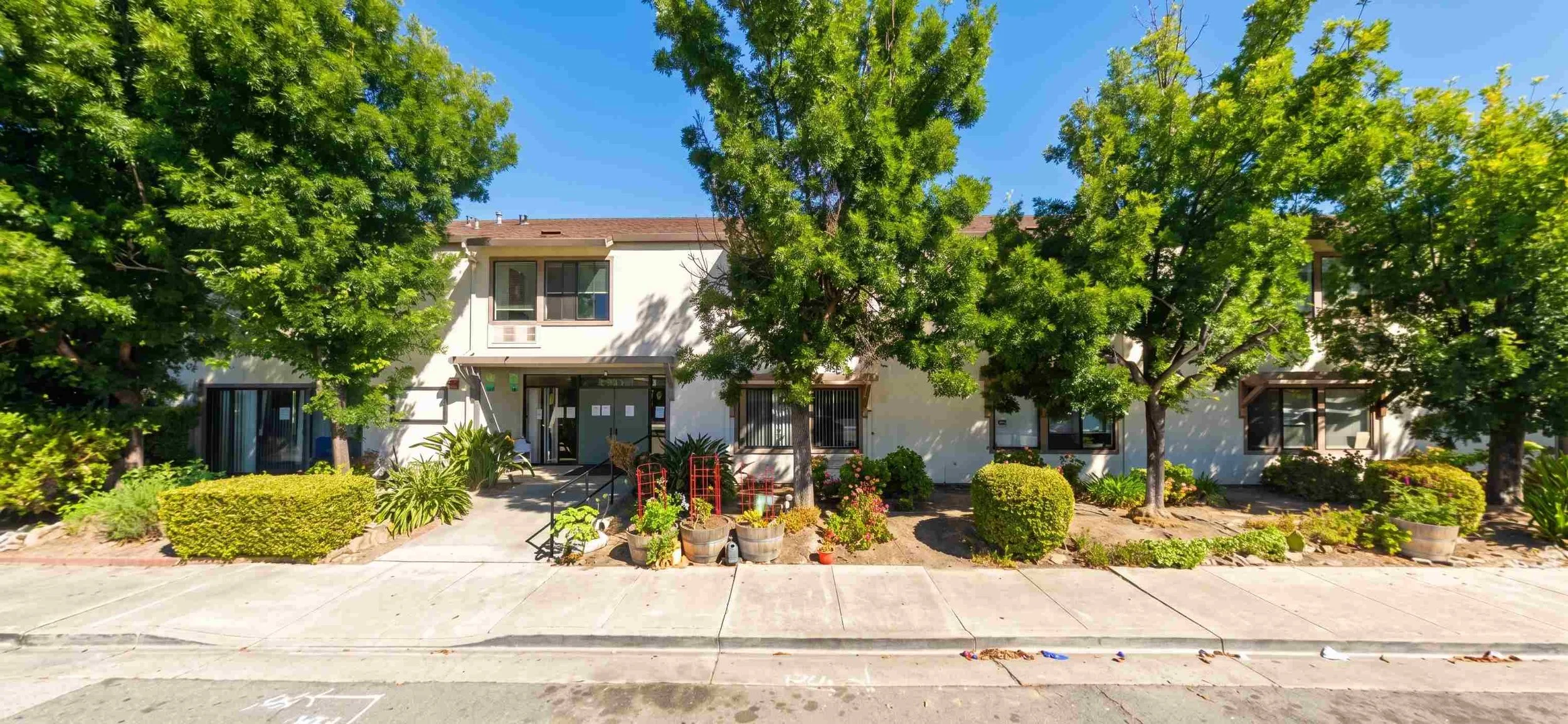
Millbrae Assisted Living Home is a licensed care community in Millbrae, California. It sits in San Mateo County, on the Peninsula, at 1001 Hemlock Ave. The home is licensed by the state under number 415601112. With room for up to 48 residents, it is a mid-size community. That size can feel like a nice middle ground for many families.
Why the Size of a Community Matters
Senior care homes come in very different sizes. Some are tiny board and care homes with six beds. Others are large communities with a hundred rooms or more. Millbrae Assisted Living Home sits in between, with up to 48 residents.
A mid-size home tries to balance two things families care about. There are enough residents for a real social life. Yet the setting is small enough that staff can learn names and routines.
What a Mid-Size Home Can Offer
A community this size often has room for shared spaces. Think a dining room, a lounge, and a spot to sit outside. There may also be group activities during the week.
At the same time, the staff can still get to know each person. They notice when someone seems off. They learn how your mom likes her coffee, or which chair your dad prefers.
Daily Life and Personal Care
Assisted living is for people who need a hand with daily tasks. That can mean help with bathing, dressing, or getting around. It can also mean reminders to take medicine on time.
The goal is to support independence, not take it away. A good home helps only where help is needed. Your loved one still makes their own choices about the day.
Meals are a big part of life in a care home. Residents usually eat together, which brings some structure and company. Housekeeping and laundry are handled too, so daily chores stop being a worry.
Activities and Company
Time with others keeps the mind and mood strong. Many homes plan simple group activities through the week. Think games, music, crafts, or a chat over coffee.
These moments matter more than they seem. They give the day some shape and fight off loneliness. Ask what a typical week looks like when you visit.
Health Support and Doctor Visits
Staff at an assisted living home watch over general wellbeing. They help with medications and keep an eye on changes in health. They are not a substitute for a doctor, though.
Getting to appointments can be hard for an older adult. One option many families like is to have a doctor come to the home. A house-call visit saves the stress of travel, and it lets a doctor see how a person is really doing day to day.
Ask the home how they handle routine care and urgent needs. Find out who they call in an emergency. Clear answers here will help you rest easier.
How Assisted Living Differs from a Nursing Home
Families often mix up assisted living and nursing homes. They are not the same thing. Knowing the difference helps you pick the right level of care.
Assisted living is for people who are mostly independent. They need help with some daily tasks, but not around-the-clock medical care. A home like Millbrae Assisted Living Home fits this middle stage well.
A nursing home, by contrast, offers skilled medical care every hour of the day. It suits people with serious, ongoing health needs. If your loved one only needs a hand with dressing, meals, or medicine, assisted living is usually the better match.
Getting Ready for the Move
The move into a care home takes some planning. Start with that physician's report, since the home needs it before day one. Then think about what will make the room feel like home.
A few familiar things help a lot. A favorite blanket, some photos, a beloved chair. These small touches ease the change more than you might expect.
Talking It Through as a Family
This choice touches the whole family, so talk it out together. Let your loved one share what matters most to them. Their comfort and dignity come first.
It is normal to feel guilt or worry during this time. Many families do. Remember that a safe home with steady care is a gift, not a failure.
Life in Millbrae
Millbrae is a small city on the San Francisco Peninsula. It sits between San Francisco and the South Bay, close to the coast. The setting is quiet, with easy access to the wider Bay Area.
For visiting family, the location is handy. Millbrae is near major freeways and public transit. That makes regular visits easier to fit into a busy week.
A close, walkable town also means gentle outings. A short drive to a park or a favorite lunch spot can brighten a visit. Staying connected to the area helps your loved one feel at home.
The mild Peninsula weather is a bonus. Comfortable days make it easier to sit outside or take a slow stroll. Fresh air and a change of scene lift the spirits of most seniors.
Staying Close After the Move
Moving in is not the end of your role. Family stays a big part of a resident's life. Regular visits and calls make a real difference.
Try to keep some familiar routines going. Share a meal, take a short walk, or look at old photos together. These moments remind your loved one that they are loved.
It also helps to build a friendly link with the staff. Ask how things are going, and share what you notice. When family and staff work as a team, your loved one gets better care.
What to Look for When You Visit
Nothing replaces seeing a home in person. Walk through the spaces and watch how staff talk with residents. Notice if the mood feels warm and calm.
A few things are worth checking on a tour:
Is the home clean, bright, and free of odors?
Do residents look comfortable and cared for?
Are staff patient and kind in how they speak?
What activities are offered during the week?
How does the home handle medical needs and emergencies?
Trust what you see and feel on the day. You know your loved one best. A place that feels right to you is a strong sign.
Planning Your Next Step
Choosing a care home is rarely a quick decision. It helps to compare a few options before you commit. Take your time and ask plenty of questions.
If the search feels heavy, you do not have to do it alone. A senior placement advisor can listen to your needs and point you toward homes that fit. That kind of guidance can make a hard season a little lighter.
Millbrae Assisted Living Home is one option worth a closer look. Visit, ask questions, and see how it feels. The right home is the one where your loved one can feel safe and settled.
Explore More Assisted Living Communities



Address: 14280 W Stanislaus Avenue, Kerman, CA 93630 (Fresno County)