
Turning Menopause Awareness Into Federal Action
Why I joined the first Perimenopause and Menopause Capitol Hill Day

Written by Inga Zhibkova
Published
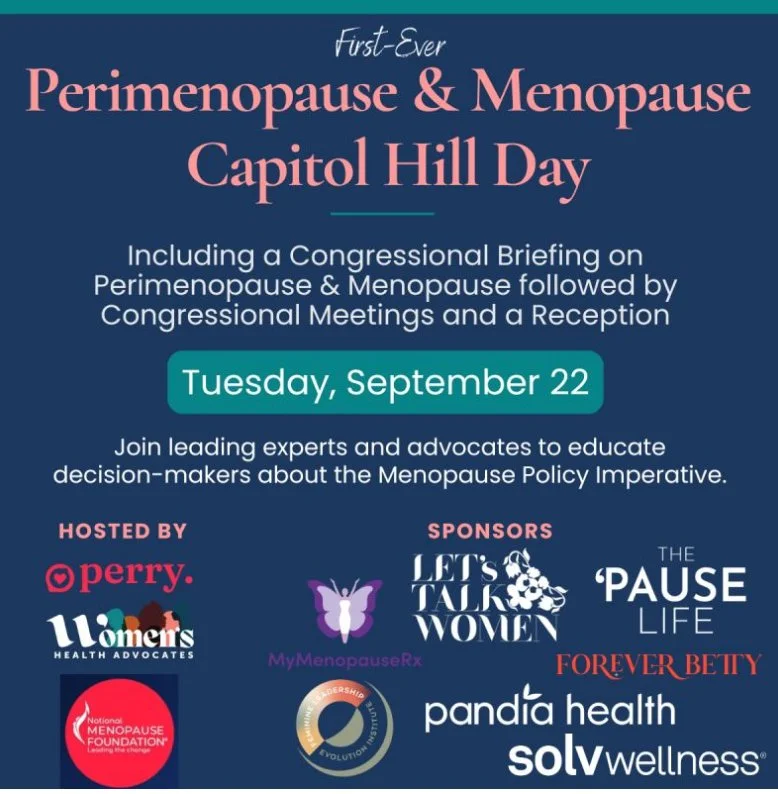
On September 22, I went to Washington, DC, to ask Congress to take menopause and midlife women's health seriously. More than 125 advocates from 29 states came for the first Perimenopause and Menopause Capitol Hill Day. We met with lawmakers and their staff to discuss research, clinician education, access to care, insurance coverage, and support at work.
The event also featured a congressional briefing with experts from the National Menopause Foundation, Alloy Health, the American College of Obstetricians and Gynecologists, and Hello Heart.
I joined as a nurse, a healthcare administrator, and a woman who wants the next generation to find better answers than many of us did.
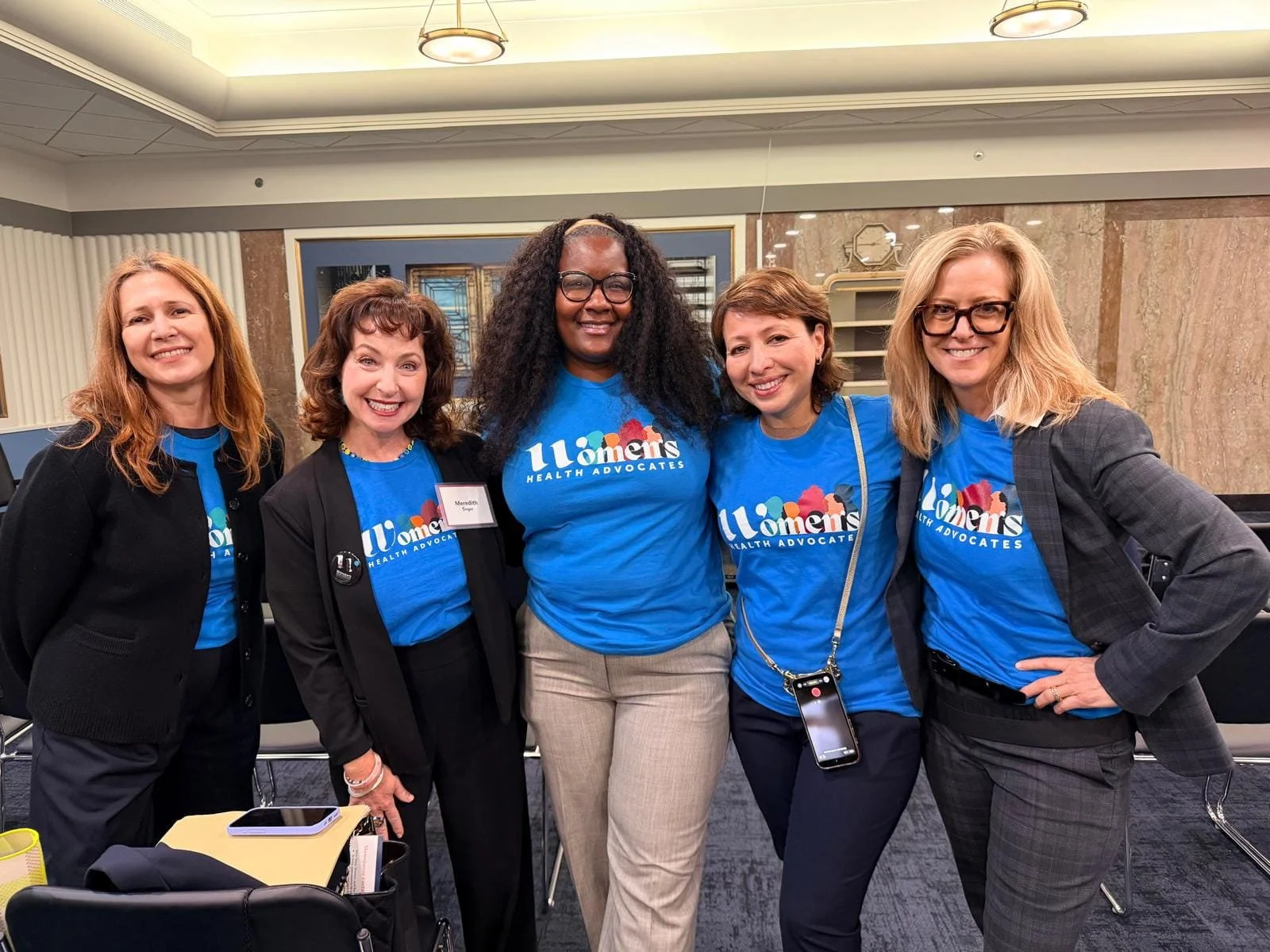
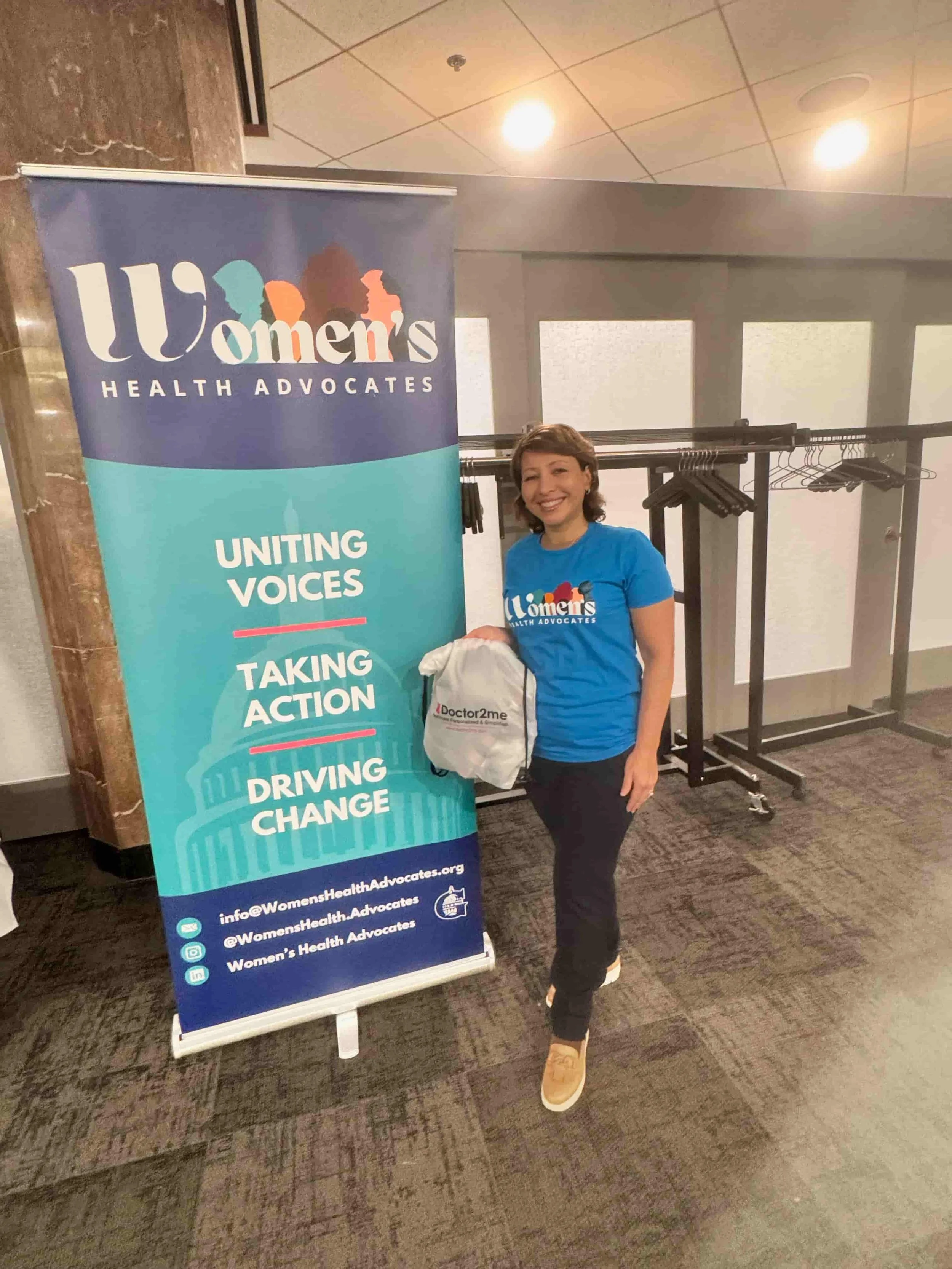
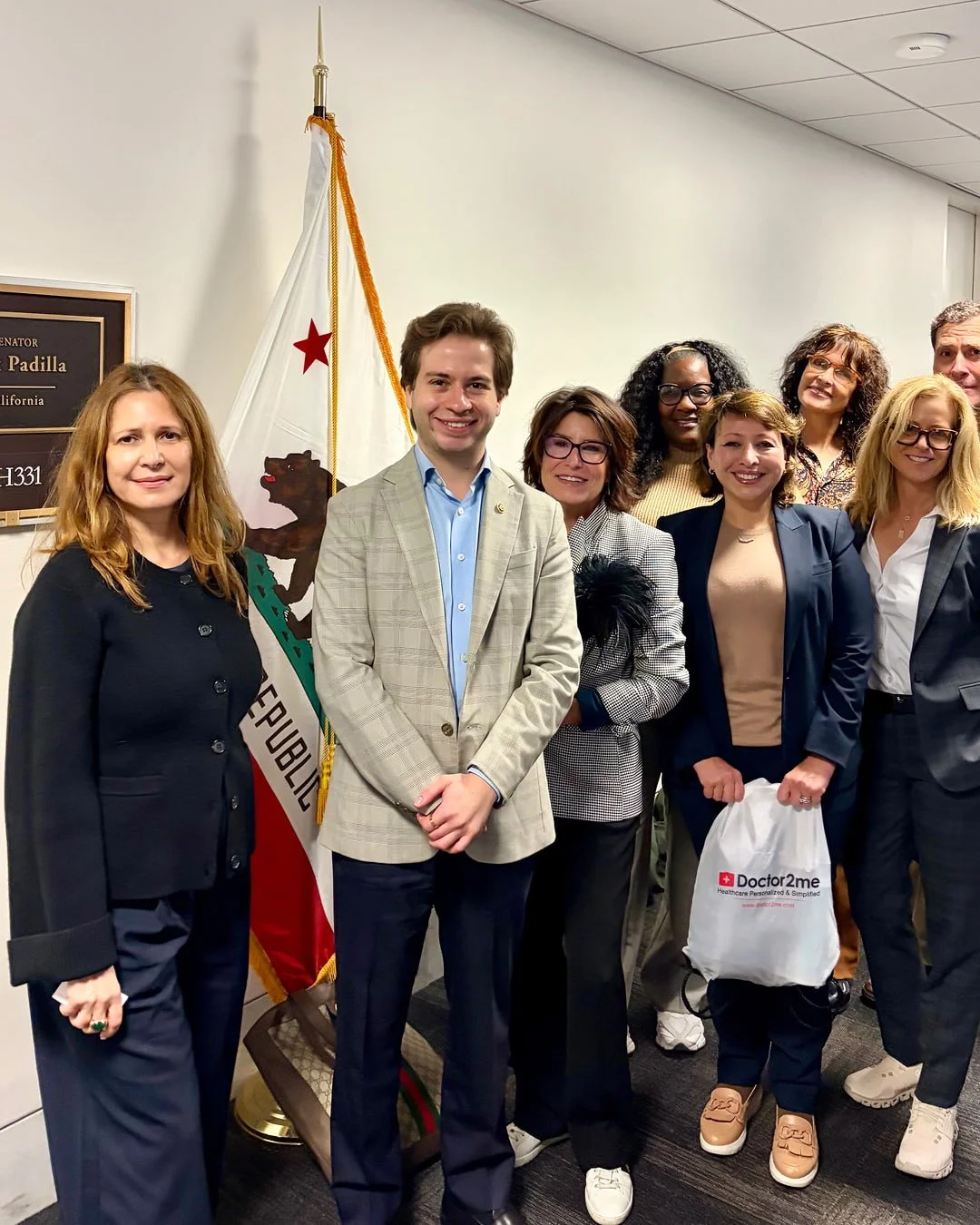
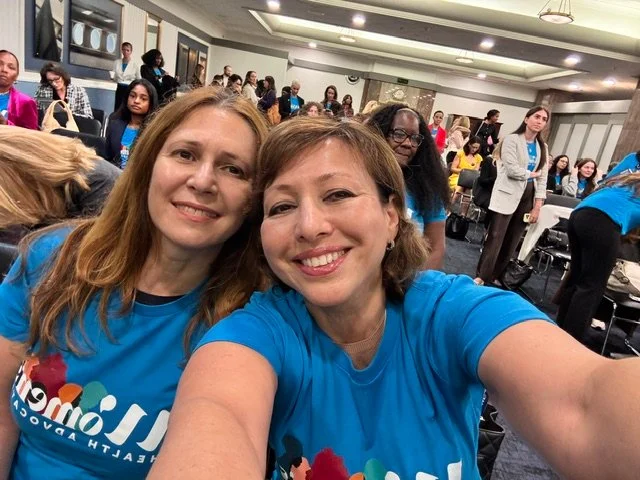
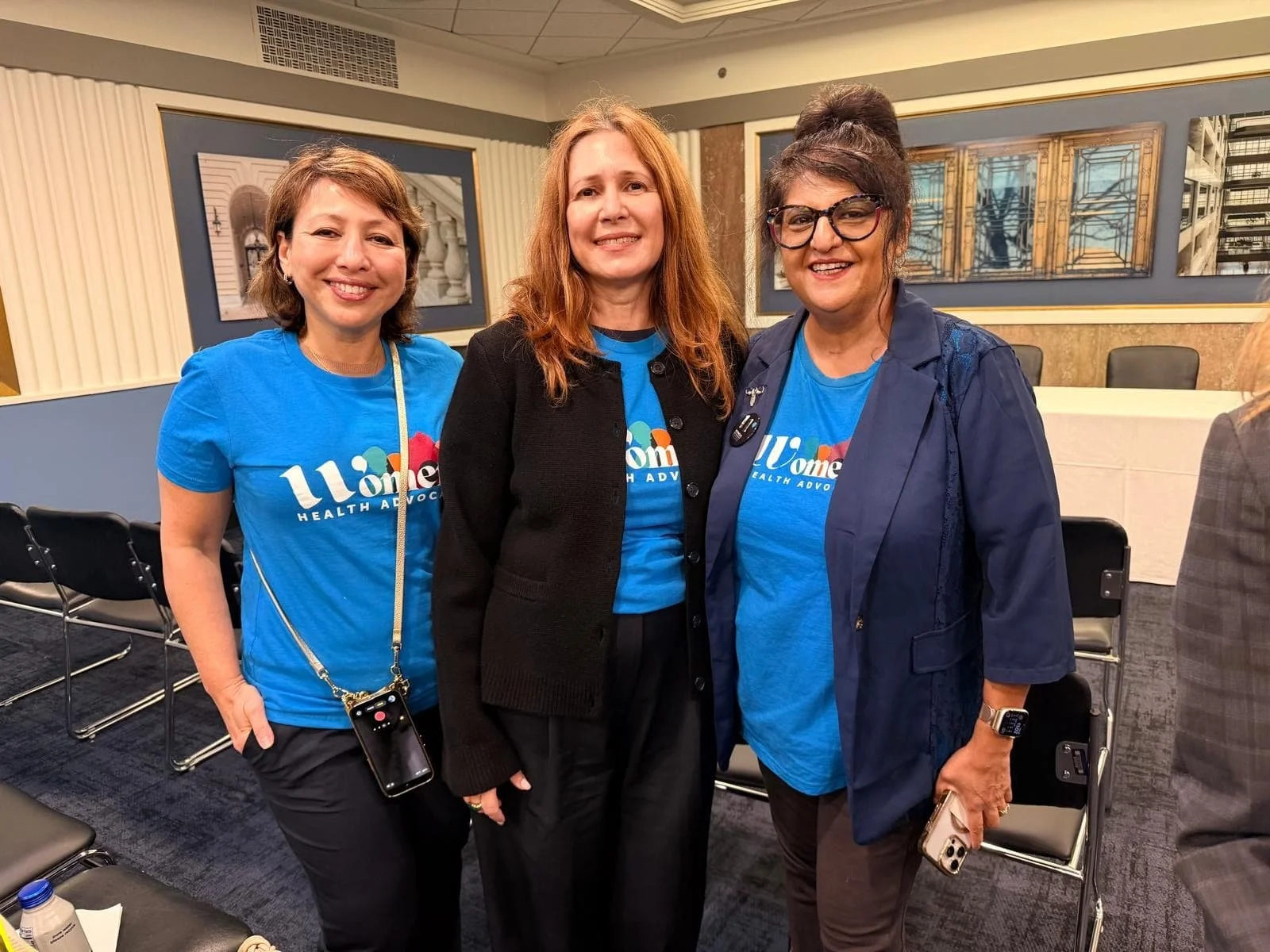
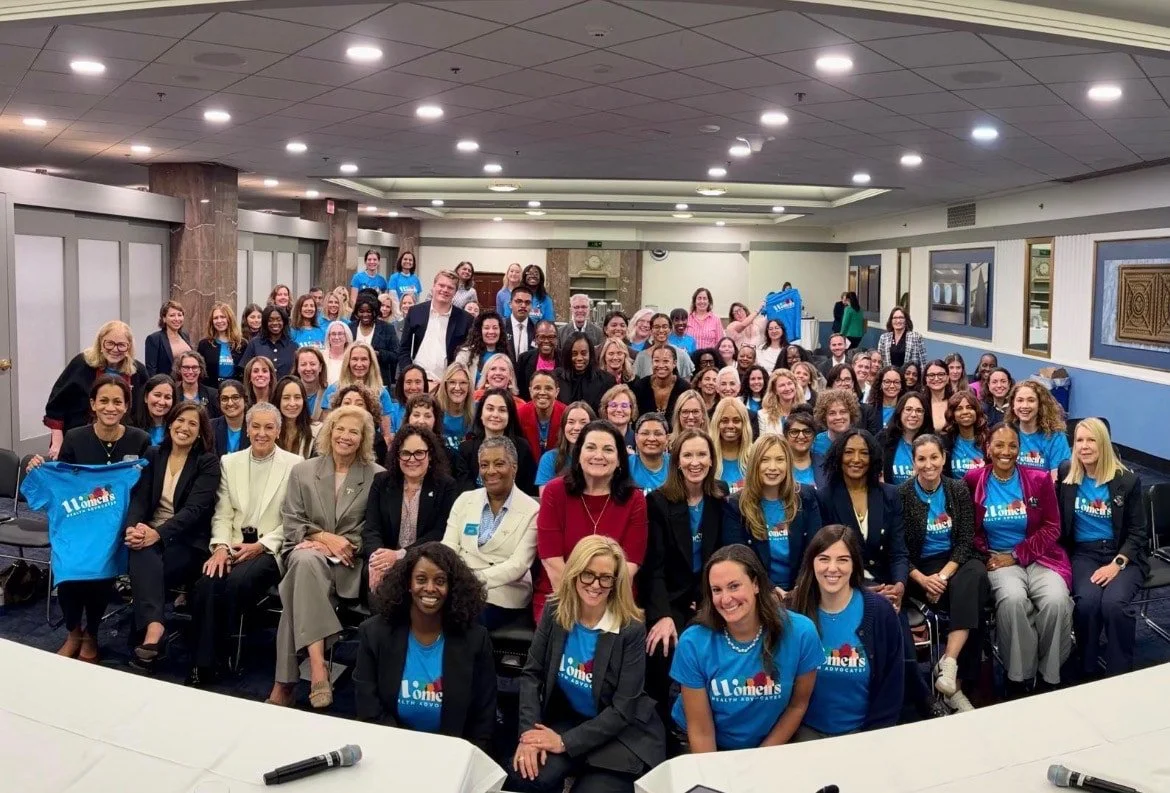
Why this matters to me
My own experience has shown me how difficult it can be to find clear guidance during midlife. I do not want my daughter, my younger sisters, or any woman to have to sort through conflicting advice while trying to understand changes in her health.
In nursing, I have seen symptoms handled one at a time. Insomnia may prompt a sleep referral; palpitations, a cardiac evaluation; joint pain, another appointment. Each symptom deserves proper assessment because it may have several causes. But clinicians should also be prepared to consider perimenopause or menopause in the broader picture and coordinate care when needed.
Symptoms can affect work, relationships, caregiving, and daily life. Midlife is also a time to attend to cardiovascular, metabolic, bone, mental, and genitourinary health. A normal biological transition can still call for careful evaluation and treatment.
The gaps in clinical education and research
Training is a place to start. Congressional materials supporting the Advancing Menopause Care and Mid-Life Women's Health Act report that about 30 percent of U.S. residency programs offer a formal menopause curriculum and that 80 percent of OB-GYN residents feel unprepared to discuss menopause. Those figures make a strong case for better preparation in medical training and continuing education.
We also need research that helps clinicians counsel women with different histories and risks. That includes evidence on symptom patterns, hormonal and nonhormonal treatments, long-term outcomes, and menopause after surgery or cancer treatment. Research should reflect women across racial, geographic, and socioeconomic groups so its findings are useful in more than one setting.
What Congress can do
The Advancing Menopause Care and Mid-Life Women's Health Act, introduced as S. 4503, would expand federal research, public education, and clinician training. It would also support data collection and Centers of Excellence in Menopause and Mid-Life Women's Health. Congress should advance this work and sustain the funding needed to make it useful in practice.
Workplace support deserves attention as well. The Menopausal Workers' Fairness Act of 2026, introduced as H.R. 9671, would establish a process for reasonable accommodations for eligible workers experiencing menopause-related limitations, subject to its terms. The bill identifies practical changes such as access to water, additional restroom breaks, and the ability to sit or stand as needed. Both bills remain proposals and require congressional action.
Research and training alone will not help women who cannot obtain an appointment or afford the care recommended. Policymakers should examine coverage and reimbursement for assessment, counseling, and treatment, while supporting access through primary care, specialists, telehealth, and community services.
Making care easier to reach
As a co-founder of Doctor2me, I have seen how home and virtual visits can remove a practical barrier for someone balancing work, family, and her own health. Flexible appointments can make it easier to seek an initial evaluation or follow-up. Convenience does not replace clinical quality, but it can determine whether care happens at all. Access must be paired with clinicians who listen, take a full history, and make decisions with the patient.
Federal policy should encourage coordinated, patient-centered care. A woman should not have to assemble her own clinical team, interpret conflicting advice, or pay entirely out of pocket because the healthcare system has failed to recognize menopause care as essential health care.
On Capitol Hill, I asked congressional offices to support comprehensive menopause legislation, strengthen clinician education, improve access and coverage, and recognize the effect of significant symptoms at work. I also asked them to stay engaged after Hill Day. A meeting can start a conversation; legislation, funding, and implementation will determine whether women see a difference.
I want my daughter and younger sisters to enter midlife knowing where to turn. They should be able to receive sound advice, an individualized assessment, and care they can actually reach. That is the standard I carried into our meetings, and it is the standard I will keep advocating for.