Table of Contents
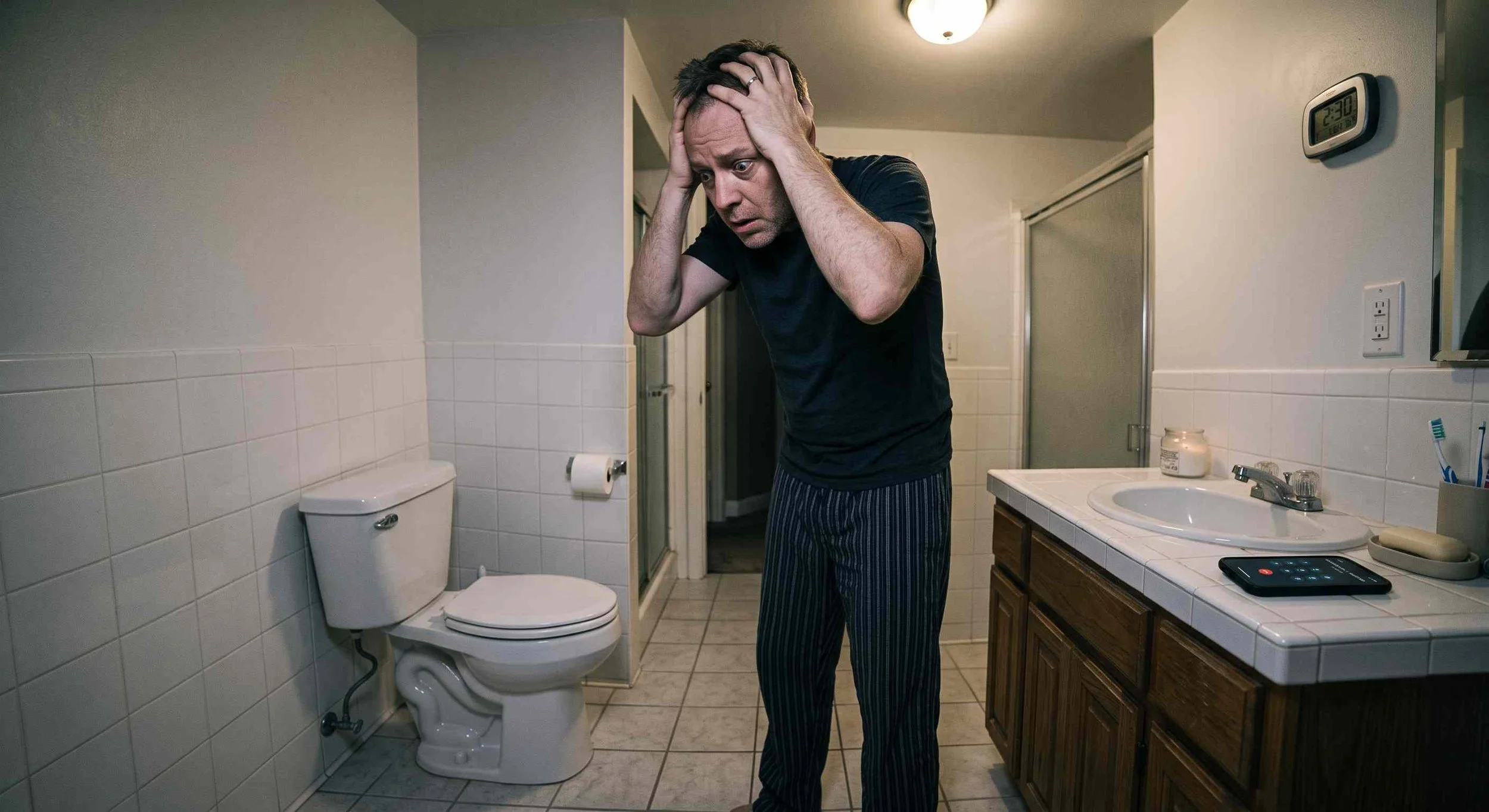
That sudden, sinking feeling in your stomach after a meal is a universal experience. Whether it was a questionable taco in New York or undercooked poultry at a backyard BBQ in Austin, foodborne illness strikes millions of Americans annually. The immediate reaction for many is to reach for the medicine cabinet or call a doctor for a prescription. However, the question of whether you truly need antibiotics for food poisoning is more complex than it seems.
In the world of modern medicine, a "quick fix" is not always the safest or most effective route. Understanding the nuances of food poisoning treatment is essential for a fast recovery and for protecting your long-term health.
Recognizing Symptoms and Common Causes
Before deciding on a course of action, it is vital to understand what is happening inside the body. Food poisoning occurs when you consume food or water contaminated with bacteria, viruses, or parasites. According to data from the CDC, Norovirus is a leading cause of foodborne illness in the United States, yet it is a virus - meaning antibiotics will have no effect on it.
Identifying the Signs
Symptoms can range from mild discomfort to severe distress. Recognizing the patterns helps determine the level of care needed:
Nausea and Vomiting: Often the first sign that the body is trying to expel toxins.
Abdominal Cramping: Intense waves of pain as the digestive tract contracts.
Diarrhea: Frequent, watery stools that lead to rapid fluid loss.
Fever and Chills: Signs that the immune system is actively fighting an infection.
Lethargy: General fatigue caused by the body diverting energy to the immune response.
| Symptom Severity | Typical Cause | Recommended Action |
| Mild (No fever) | Viral (Norovirus) | Home hydration and rest |
| Moderate (Low fever) | Bacterial (Salmonella) | Monitor symptoms; consult a professional |
| Severe (High fever, blood) | Invasive Bacteria | Immediate medical evaluation |
Do I Need Antibiotics for Food Poisoning?
This is the most common question patients ask when they are in the throes of illness. The short answer is: usually, no. Most cases of foodborne illness are self-limiting, meaning the body clears the pathogen on its own within a few days.
Why Medication Isn't Always the Answer
The overuse of food poisoning treatment antibiotics is a growing concern. There are several reasons why a "wait and see" approach is often superior. As noted in clinical guidelines from the Mayo Clinic, treatment usually focuses on managing symptoms rather than killing the pathogen directly:
Viral Pathogens: As mentioned, viruses do not respond to these drugs.
Gut Microbiome Disruption: Antibiotics are non-selective; they kill "good" bacteria along with the "bad."
Resistance: Using these drugs unnecessarily contributes to the global rise of "superbugs" that are harder to treat in the future.
Carrier State: In some cases, taking medication can actually prolong the time the bacteria stays in your system.
High-Risk Groups
While the average healthy adult can manage at home, certain populations must be more cautious. For infants, the elderly, or those with compromised immune systems, the risk of a systemic infection is higher. In these instances, medical professionals consult FDA reference guides to identify the specific pathogen and may determine that the best antibiotic for food poisoning is necessary to prevent the illness from spreading
Comprehensive Food Poisoning Treatment
If you are wondering how to treat food poisoning at home, the focus should always be on support. The goal is to help the body do its job while preventing the most dangerous complication: dehydration.
The Rehydration Protocol
Fluid loss is the primary enemy. Plain water is often not enough because the body also loses essential salts and minerals.
Sip, Don't Gulp: Taking large drinks can trigger the vomiting reflex. Small, frequent sips are better.
Electrolyte Solutions: Use oral rehydration salts or diluted fruit juices to maintain balance.
The BRAT Diet: Once you can keep fluids down, transition to Bananas, Rice, Applesauce, and Toast. Specialists atNIDDK emphasize that this dietary transition is key to restoring digestive stability.
When the exhaustion becomes so overwhelming that even the simplest daily tasks feel impossible, it is a need to have a helpful resource for those who need an extra layer of support and monitoring while they recover.
Addressing Secondary Concerns
The physical toll of being confined to bed for several days can sometimes lead to unexpected skin sensitivity or discomfort. In these cases, you may need a special solution to help you find ways to protect your skin and stay comfortable during a long recovery period.
How Long Does Food Poisoning Last?
The duration of the illness is a key indicator of whether you need to change your strategy:
12-24 Hours: Typical for mild viral infections.
2-5 Days: Common for standard bacterial infections like Salmonella.
7+ Days: This is a red flag. If symptoms persist this long, it may be a parasite or a more aggressive bacterial strain.
| Pathogen | Onset Time | Duration |
| Staphylococcus aureus | 30 mins - 8 hours | 1 day |
| Salmonella | 6 hours - 6 days | 4-7 days |
| E. coli | 3 - 4 days | 5-10 days |
| Norovirus | 12 - 48 hours | 1-3 days |
Myth vs. Reality: Debunking Common Food Poisoning Misconceptions
When you are dealing with sudden illness, it is easy to rely on "common knowledge" that may not be medically accurate. Clearing up these misconceptions is a vital part of effective food poisoning treatment and helps prevent unnecessary stress.
Myth: The last thing you ate is the culprit.
- Reality: This is one of the most persistent myths. While some toxins (like Staph) act within hours, many common bacteria like Salmonella or E. coli can take two to five days to manifest. You might be blaming tonight’s dinner for a pathogen you consumed at a weekend BBQ several days ago.
Myth: If you don’t have a fever, it isn’t "real" food poisoning.
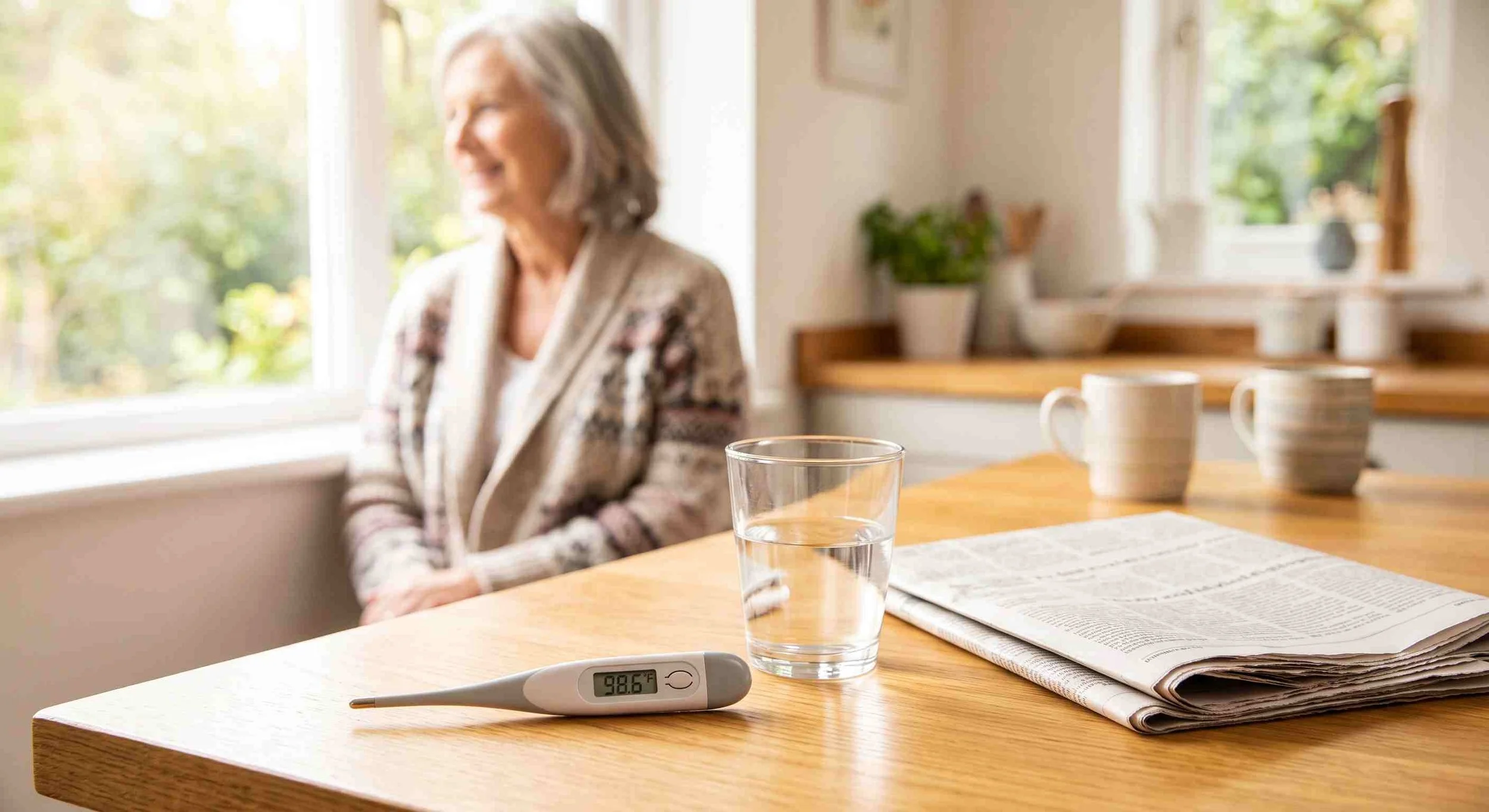
- Reality: Many foodborne illnesses, especially those caused by viruses or certain toxins, present with intense cramping and dehydration without ever causing a high temperature. Relying solely on a thermometer can be misleading; your hydration level is a much more critical indicator of your health.
Myth: You should "starve" the illness.
- Reality: While you should certainly avoid heavy or greasy foods, your immune system requires energy to fight the infection. Complete fasting can lead to increased weakness. Small, frequent portions of simple starches provide the fuel your body needs to recover without overtaxing your digestive system.
Understanding these nuances ensures that you approach your recovery with facts rather than folklore, leading to a faster and safer return to your daily routine.
When to Call the Professionals
Knowing when to seek help can be life-saving. You should consult a healthcare provider if you experience:
High fever (over 102°F).
Blood in the stool.
Frequent vomiting that prevents any fluid intake.
Signs of severe dehydration (dry mouth, dizziness, little to no urination).
The thought of sitting in a crowded waiting room while feeling nauseous is often enough to keep people from seeking the help they need. For those who prefer professional guidance without the stress of travel, in-home care lets a licensed provider bring the consultation to your own living room, providing peace of mind during a difficult time.
A Strategic Approach to Recovery
Navigating foodborne illness requires a balance of patience and vigilance. While the urge to take antibiotics for food poisoning is understandable, the most effective food poisoning treatment usually involves rest, aggressive rehydration, and time.
Whether you are recovering in Chicago, Houston, or Phoenix, the principles of care remain the same: listen to your body, stay hydrated, and don't hesitate to seek professional help if the "red flags" appear.
FAQ
Do I need antibiotics for every case of food poisoning?
Most foodborne illnesses are caused by viruses or mild bacterial strains that the body can clear on its own without prescription medication. Antibiotics are only effective against specific bacteria and are typically reserved for severe cases, high-risk groups, or infections that have spread beyond the digestive tract.
How long does food poisoning last without medical intervention?
While the duration depends on the specific pathogen, most people begin to feel better within 12 to 48 hours. If your symptoms, such as watery diarrhea or stomach cramps, persist for more than three days, you should consult a professional to rule out a more serious infection.
What is the best antibiotic for food poisoning?
There is no single "best" medication because treatment depends entirely on the type of bacteria identified in a diagnostic culture. Doctors select targeted antibiotics based on whether the cause is Salmonella, Listeria, or another specific pathogen to ensure the treatment is both safe and effective.
What can I take at home to speed up recovery from food poisoning?
The most effective home treatment is a strict rehydration protocol using oral electrolyte solutions to replace lost fluids and minerals. Once the vomiting subsides, transitioning to the BRAT diet (bananas, rice, applesauce, and toast) provides gentle energy without further irritating the stomach lining.
When should I seek professional help for foodborne illness?
You should contact a healthcare provider if you experience "red flag" symptoms like a fever over 102°F, blood in your stool, or signs of severe dehydration. If traveling to a clinic feels impossible due to your symptoms, consider an in-home medical consultation to receive an expert evaluation in comfort.
You May Also Like