Best Type of Exercise for Weight Loss
Table of Contents
The best type of exercise for weight loss in 2026 is a high-precision "hybrid protocol" that meticulously balances resistance training to safeguard lean muscle mass with aerobic activity to maximize fat oxidation. Clinical evidence in the U.S. now confirms that while aerobic exercise is superior for immediate caloric expenditure, resistance training is the only way to prevent the metabolic slowdown associated with weight loss. By combining these modalities, individuals can achieve "body recomposition"—a process where the body burns fat while simultaneously strengthening its metabolic engine. This approach is essential for long-term maintenance, especially for those utilizing modern weight-loss medications where muscle preservation is the primary clinical challenge.
The 2026 Epidemiological Shift: Beyond the Obesity Plateau
Public health in the United States has reached a historic crossroads. According to recent Gallup News data, adult obesity rates stabilized and then dipped to 37.0% by mid-2025, down from the peak of nearly 40% in 2022. This shift represents the first systemic decline in obesity prevalence in decades, driven by a fundamental change in how Americans implement a weight loss diet and exercise plan.
The Metabolic Divide
Despite national improvements, a significant "metabolic divide" persists between states. In high-activity regions like Colorado (25.0% obesity), there is a strong correlation between outdoor recreation and metabolic flexibility—the body's ability to switch efficiently between burning carbohydrates and fats. In contrast, states in the "Obesity Belt," such as West Virginia (41.4%), face environments where "metabolic gridlock" is common due to sedentary lifestyles and high-calorie diets.
For the 65+ demographic, the challenge has evolved into a struggle against "sarcopenic obesity," where fat replaces muscle even if the number on the scale remains stable. In these cases, weight loss for obese people must prioritize the retention of functional tissue to prevent a cascade of disability. Furthermore, with childhood obesity at 21.1%, an American Heart Association report highlights record-high rates among the youth even as adult trends appear to slow, emphasizing that early strength development is the best defense against adult chronic disease.
Molecular Pathophysiology: The Cellular Logic of Exercise
To define the best type of exercise for weight loss, we must examine the molecular "switches" activated during physical activity. Exercise is a systemic pharmacological intervention that rewires the body's internal chemistry.
The mTOR vs. AMPK Balance
The body operates through two primary metabolic pathways: AMPK and mTOR. Aerobic exercise activates AMPK, which acts as a fuel sensor, promoting fat breakdown and mitochondrial biogenesis (the creation of new energy factories in cells). Conversely, resistance training activates the mTOR pathway, which is responsible for protein synthesis and muscle hypertrophy (growth).
In the past, many believed these pathways were mutually exclusive. However, 2026 research shows that a "hybrid" approach creates a complementary effect. Resistance training builds the "hardware" (muscle), while cardio optimizes the "software" (oxidative capacity).
Myokines and the "Browning" of Fat
When muscles contract during cardio and strength training, they act as endocrine organs, releasing signaling molecules called myokines. One specific myokine, irisin, facilitates the "browning" of white adipose tissue. Unlike standard white fat, which simply stores energy, "brown fat" contains high levels of mitochondria and burns calories to produce heat. This cellular transformation is a primary reason why strength training is a vital component of any cardio weight loss plan.
7 Exercises to Do Everyday to Lose Weight: The Biomechanical Deep Dive
For those seeking at home exercises to lose weight no equipment, this protocol focuses on "metabolic disruption"—movements that recruit the largest possible number of muscle fibers to maximize oxygen debt and caloric afterburn. These are more than just easy exercises to do at home to lose weight; they are functional patterns that trigger a profound hormonal response.
1. Goblet Squats: The Metabolic Foundation
Squats recruit the quadriceps, glutes, and spinal erectors. This massive recruitment demands high oxygen consumption, pushing the heart rate into the fat-burning zone.
Pathophysiology: Squatting increases the expression of GLUT4 receptors in the legs, allowing muscles to pull sugar from the blood without relying heavily on insulin.
Scaling: Overweight beginners can start with a chair sit-to-stand, progressing to a weighted water jug as strength improves.
2. Push-ups: Horizontal Pressing
This movement engages the pectorals, deltoids, and the serratus anterior. It is an essential full body fat burning exercises at home because it requires the core to work as a stabilizer throughout the movement.
Lazy Tip: If floor push-ups are too difficult, use a wall or kitchen counter. This remains a highly effective exercise for lazy people that still engages the upper body.
3. Glute Bridges: Posterior Chain Activation
Most Americans suffer from "gluteal amnesia" due to excessive sitting. This exercise re-engages the gluteus maximus, the body's largest muscle, which directly increases the BMR (Basal Metabolic Rate).
4. Bent-over Rows: Corrective Pulling
Strengthening the rhomboids and latissimus dorsi counters the "slumped" posture caused by screen time. Improved posture expands the ribcage, facilitating better lung capacity for best weight loss cardio sessions.
5. Dead Bug: Core Neurological Control
The "gold standard" for transverse abdominis activation. It teaches the core to protect the spine while the limbs move, a prerequisite for any intense weight loss workout.
6. Burpees: The Glycolytic Finisher
A burpee is a "metabolic bomb." By combining a squat, plank, and jump, it creates an acute oxygen deficit, triggering a massive EPOC (Excess Post-exercise Oxygen Consumption) effect.
Protocol: For a workout routine to lose weight fast, perform "slow burpees"—stepping back rather than jumping—to protect joints while keeping the heart rate elevated.
7. High-Knee Power Walking: The Zone 2 Bridge
Lifting the knees recruits the psoas and lower abdominals, turning a standard walk into a targeted weight loss exercises at home for beginners.
The GLP-1 Era: Medication Management and Muscle Preservation
As we navigate 2026, millions of Americans are utilizing medications like semaglutide or tirzepatide. These drugs are revolutionary, but they come with a "muscle tax." Without a structured workout routine to lose weight fast, clinical studies shared by University of Utah Health suggest that muscle size and strength may be compromised during rapid pharmaceutical weight loss.
Avoiding the "Metabolic Whiplash"
When medication is discontinued, individuals with low muscle mass often experience rapid weight regain—known as the "Yo-Yo" effect—because their baseline metabolism has plummeted.
In Florida, specialists like Claudine Aguilera, M.D., provide essential Medication Management for these patients. Dr. Aguilera, who completed her residency at Kaiser Oakland and is fluent in English and French, emphasizes that medication is only a tool. Her at-home urgent care evaluations in St. Johns County focus on ensuring that weight loss is "quality weight loss," where fat is reduced but structural integrity is maintained.
For residents of Los Angeles County, Sonic Diagnostic Laboratory provides necessary Mobile Phlebotomy services to monitor markers of muscle preservation. By testing for fasting insulin and C-reactive protein, providers can ensure the patient isn't in a chronic state of muscle wasting. This home-based lab work is vital for those who find traditional clinics a barrier to their weight loss exercises at home for beginners.
Cardio Deep Dive: Finding the Best Weight Loss Cardio
In 2026, we categorize cardio by its "metabolic zone." The synergy of weights and cardio, as noted by the National Heart, Lung, and Blood Institute, significantly improves cardiovascular risk profiles in overweight individuals.
Zone 2: The Mitochondrial Builder
Zone 2 training (60-70% of max heart rate) is the "sweet spot" where the body is most efficient at burning fat as a primary fuel source. This builds mitochondrial density. For running for overweight beginners, Zone 2 is the safest starting point to build an aerobic base without causing "cortisol spikes" that can lead to water retention.
HIIT: The Glycolytic Sprint
High-Intensity Interval Training is the most intense weight loss workout for burning glucose and creating an afterburn. However, it should only be performed 1–2 times per week to avoid central nervous system fatigue.
Low Impact Workouts for Weight Loss
For those with joint issues, low impact workouts for weight loss like swimming or rowing provide the same cardiovascular benefits as running without the 3x-4x body weight impact on the knees.
Tailored Strategies for Specific Populations
Menopause and Hormonal Weight Gain
For women over 50, a workout and diet for weight loss must address the drop in estrogen, which is muscle-protective. Resistance training is non-negotiable for this group to maintain bone mineral density (BMD) and counteract the insulin resistance that often leads to abdominal fat.
The Obese Male and Testosterone
Obesity in men leads to increased aromatase activity, which converts testosterone into estrogen. Engaging in best weight loss exercises for men, specifically heavy compound lifts, can naturally boost free testosterone levels, aiding in fat mobilization.
Senior Longevity and Mobility
The best exercise for seniors to lose weight is anything that challenges balance while building strength. Sarcopenia is the primary driver of nursing home admissions. Home-based Physical Therapy from providers like FUNCTherapy in Los Angeles, Beverly Hills, and West Hollywood is a game-changer. They provide therapy in the patient's actual living environment, ensuring that workouts for overweight women and seniors are both safe and functionally relevant.
Lifestyle Integration: The "Invisible" Pillars of Success
Sleep: The Lipolysis Catalyst
Sleep deprivation (less than 7 hours) reduces leptin (the fullness hormone) and increases ghrelin (the hunger hormone). More importantly, it raises nighttime cortisol, which blocks the breakdown of fat. No cardio workout plan for weight loss can outrun a chronic sleep deficit.
Stress and the Cortisol Loop
Chronic stress keeps the body in a "sympathetic" state, where it is hesitant to release fat stores because it perceives a threat. Incorporating "meditative movement" or walking in nature are essential ways to lose weight without the gym.
Nutrition: The Protein-Sparing Principle
To support the best weight loss exercises for men and women, protein intake must be prioritized. Consuming 1.6g to 2.2g of protein per kilogram of goal body weight is necessary to signal the body to keep its muscle while burning fat.
Long-Term Forecast: The 2035 Outlook
If a patient follows the "Hybrid Model" (Strength + Cardio + Clinical Monitoring) in 2026, the 10-year outlook is exceptional. They are likely to maintain metabolic flexibility, meaning their body can easily switch between burning carbohydrates and fats.
However, if a patient relies solely on "starvation" or "meds-only" without exercise, the 10-year forecast predicts "rebound sarcopenia." This leads to a higher body fat percentage than their original starting point, an increased risk of Type 2 Diabetes, and reduced mobility.
The Precision Medicine Model
Digital platforms like Doctor2me are bridging this gap. By offering a best diet and workout plan to lose weight that includes physician oversight, physical therapy, and home labs, they ensure that patients aren't just "getting skinny" but are becoming "metabolically resilient."
Red Flag Checklist: When to Seek Medical Advice
While weight loss exercises at home for beginners are generally safe, certain "atypical" symptoms require immediate attention. It is recommended to spend between 150 and 300 minutes of aerobic activity per week, in accordance with current CDC physical activity guidelines for adults, to maintain safety and efficacy.
Orthostatic Hypotension: Feeling dizzy when standing up (may indicate over-medication or dehydration).
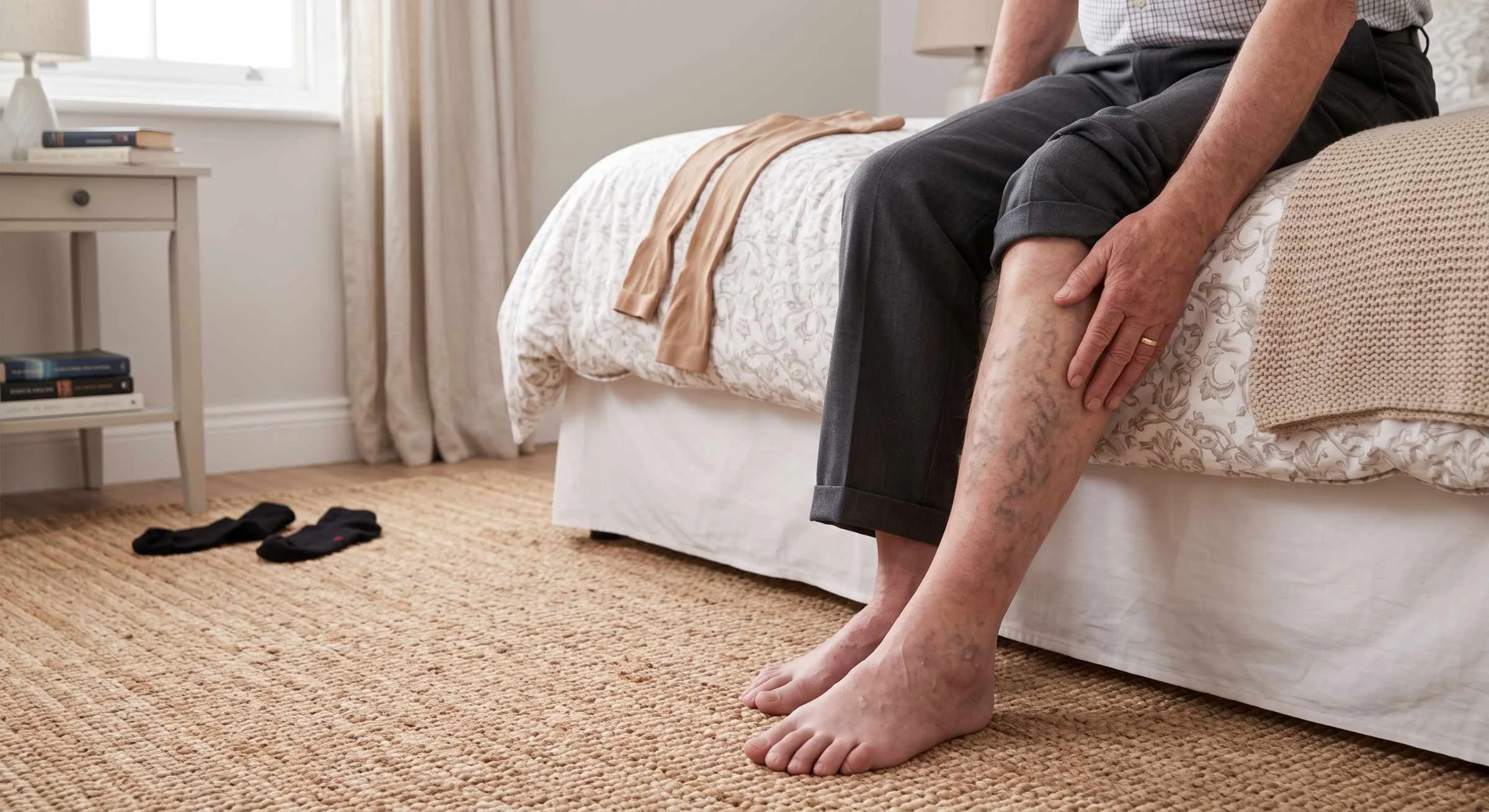
Peripheral Edema: Swelling in the ankles (may indicate heart or kidney strain).
Persistent Myalgia: Muscle pain that lasts more than 72 hours.
Loss of Grip Strength: A key clinical marker for systemic muscle wasting.
Calculating Your Metabolic Health
One simple tool used in 2026 is the Relative Fat Mass (RFM) formula. For adults, it is calculated as:
Men: 64 - (20 x (height / waist))
Women: 76 - (20 x (height / waist))
In these cases, seeking medical advice from a qualified provider is essential. Whether it's a televisit or a home evaluation, the tools of 2026 make it easier than ever to stay safe on your journey.
Mastering the Hybrid Model
The best type of exercise for weight loss is a lifelong commitment to the "Hybrid Model." By combining the immediate caloric burn of a cardio weight loss plan with the structural integrity provided by resistance training, you create a body that is not only smaller but more efficient.
Whether you are starting with easy exercises to do at home or an intense weight loss workout, the integration of clinical monitoring from Dr. Claudine Aguilera, laboratory precision from Sonic Diagnostic, and the rehabilitative expertise of FUNCTherapy ensures that your transformation is permanent. Your health is not a destination; it is a continuously managed state of metabolic excellence. Take the first step today by focusing on muscle preservation and cardiovascular base—your future self will thank you.
FAQ
What is the best type of exercise for weight loss?
A hybrid protocol that combines cardio and strength training is considered the most effective approach for sustainable results. While cardio drives the necessary caloric deficit, resistance training preserves lean muscle mass and maintains a high basal metabolic rate BMR, which prevents the "yo-yo" effect often seen with diet-only strategies.
How can I prevent muscle loss while taking GLP-1 medications like semaglutide?
To counteract medication-induced muscle wasting, it is essential to follow a structured workout routine to lose weight fast that prioritizes resistance training at least twice a week. Consistent clinical monitoring and high-quality protein intake are also critical components to ensure that the weight lost comes from fat stores rather than functional structural tissue.
Are there effective ways to lose weight without the gym?
Absolutely, as you can achieve significant results by performing at home exercises to lose weight no equipment, such as goblet squats, glute bridges, and "dead bugs." These easy exercises to do at home to lose weight focus on engaging large muscle groups to maximize the metabolic afterburn EPOC effect, even outside a traditional fitness center.
How much cardio is required for an effective weight loss plan?
Current CDC physical activity guidelines for adults recommend between 150 and 300 minutes of moderate-intensity aerobic activity, such as Zone 2 power walking, per week. Integrating these sessions as low impact workouts for weight loss helps improve cardiovascular health and fat oxidation without overtaxing the central nervous system or joints.
What is the most efficient workout routine to lose weight fast?
The most efficient routine utilizes full body fat burning exercises at home that involve multi-joint movements to create an acute oxygen debt. By pairing these high-intensity efforts with daily functional movements, you can trigger rapid body recomposition, allowing you to lose fat while simultaneously strengthening your metabolic engine.
You May Also Like