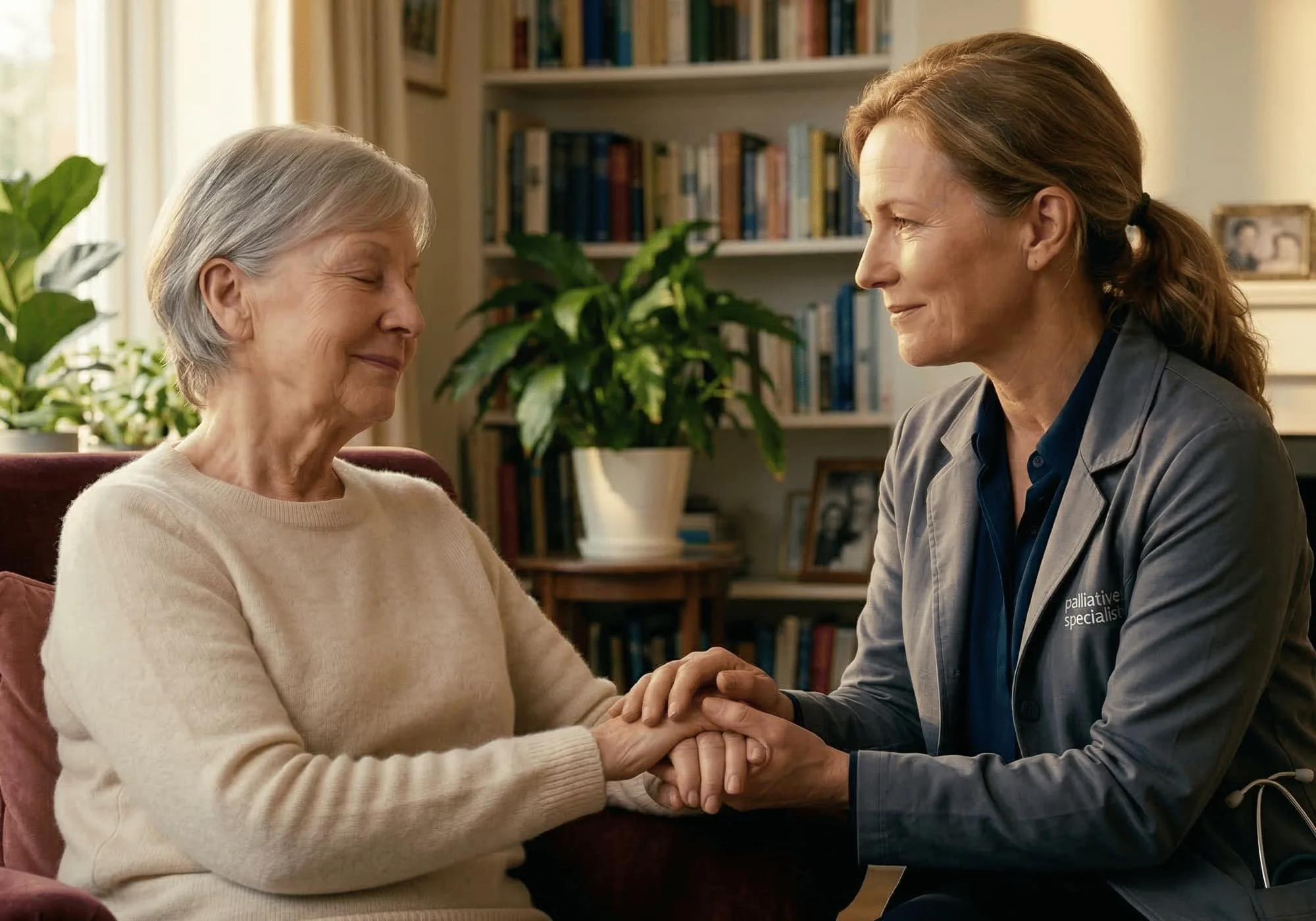
Palliative Care for Cancer Patients: Relief and Comfort
Table of Contents
Modern oncology has shifted toward a more integrated approach where palliative care begins at the moment of diagnosis, rather than being reserved for the final days. With over 2 million new cancer cases projected in the U.S. for 2025, the focus on maintaining quality of life has never been more critical. This specialized medical support addresses not just physical symptoms, but also the psychological and social challenges faced by patients and their families.
Understanding Palliative Medicine in Oncology
Palliative medicine is designed to work alongside curative treatments, providing an extra layer of support that focuses on the person, not just the disease. To help you understand where this fits into your journey, consider the following comparison:
Palliative Care vs. Hospice Care
| Feature | Palliative Care | Hospice Care |
| Timing | At any stage of a serious illness | During the final stages of life |
| Treatment Goal | Comfort while pursuing curative treatment | Comfort and quality of life |
| Care Team | Specialized palliative specialist & nurses | Dedicated hospice providers |
| Focus | Symptom management & stress reduction | Emotional and physical end of life treatment |
The Role of Your Palliative Doctor and Care Team
Your palliative doctor leads a multidisciplinary care team that includes nurses, social workers, and specialists. This team collaborates to ensure that your treatment goals align with your personal values. For many, having a palliative specialist involved early on helps navigate complex medical decisions with clarity and confidence.
Modern Approaches to Cancer Pain Management
Managing pain is a cornerstone of hospice and palliative medicine. Recent research from 2025 highlights how tumors interact with the nervous system, requiring sophisticated management strategies.
Understanding Nociceptive and Neuropathic Pain
Pain in oncology typically falls into two categories:
● Nociceptive Pain: Results from tissue or organ damage, often described as sharp or aching.
● Neuropathic Pain: Caused by nerve damage from the tumor or chemotherapy, often felt as burning or shooting sensations.
Innovative End of Life Medications and Non-Opioid Alternatives
While traditional options remain effective, the end of life treatment landscape is evolving. According to recent ASCO clinical standards, integrating supportive care within the first week of an advanced diagnosis is now a benchmark for quality care.
Breakthrough Pain Management Options (2025-2026)
| Method | Type | Primary Benefit |
| Suzetrigine | Non-opioid medication | Blocks pain signals without dependency risks |
| Duloxetine | Targeted therapy | Specifically treats post-chemotherapy nerve pain |
| IDDS (Pain Pumps) | Interventional | Delivers relief directly to the spinal fluid |
| PNS Stimulation | Neuromodulation | Long-term (24+ months) reduction in pain intensity |
A significant breakthrough in 2025 was the FDA approval of Suzetrigine, a revolutionary non-opioid analgesic. For nerve-related pain, medications like Duloxetine have become the gold standard for managing discomfort following chemotherapy.
Advanced Comfort Strategies Beyond Medication
When systemic end of life medications aren't enough, interventional methods and holistic care can provide profound relief.
● Virtual Reality (VR): Used to reduce anxiety during painful procedures by providing immersive distraction.
● Music Therapy: Stimulates the release of natural endorphins and reduces the perception of pain.
● High-flow Nasal Cannulas: Providing significant relief for shortness of breath in terminal stages without the need for invasive ventilation.
Managing Complex Symptoms for Better Quality of Life
Quality of life is defined by more than just the absence of pain; it involves managing a "cluster" of symptoms that affect daily functioning.
Holistic Palliative Support for Common Symptoms
| Symptom | 2026 Treatment Standard | Non-Pharmacological Support |
| Insomnia | Psychological counseling | Sleep hygiene and relaxation apps |
| Appetite Loss | Nutritional comfort focus | Small, frequent, flavor-enhanced meals |
| Dyspnea | High-flow oxygen therapy | Breathing techniques and fan therapy |
Updated Mayo Clinic protocols in 2026 emphasize that managing insomnia and appetite loss is just as vital as pain control for long-term patient well-being.
Finding the right support system is vital for peace of mind. For those seeking specialized home-based care, organizations like Westlake Village Hospice, Inc and LIEM Hospice provide dedicated teams that prioritize patient dignity. Additionally, services such as A Better Solution In Home Care offer the hands-on assistance needed to maintain a comfortable environment.
To further reduce the stress of travel and long wait times, many families utilize Doctor2me, which allows patients to receive expert medical attention in the safety and familiarity of their own homes. This approach not only lowers the risk of infection but also ensures that the focus remains entirely on the patient's comfort and well-being.
FAQ
What is the difference between palliative care and hospice care for cancer patients?
Palliative care can begin at any stage of a serious illness and focuses on managing symptoms alongside curative treatments. In contrast, hospice care is a specialized form of palliative support usually reserved for the final stages of life when the primary goal shifts entirely to comfort and dignity.
When is the best time to start working with a palliative specialist?
Medical experts recommend integrating a palliative specialist into your care team as soon as an advanced cancer diagnosis is made. Early involvement helps improve a patient's overall quality of life and ensures that personalized end of life treatment goals are established well in advance.
What are the latest non-opioid end of life medications for cancer pain?
Recent breakthroughs in palliative medicine include the use of Suzetrigine, a non-addictive analgesic that effectively blocks pain signals at the source. Clinicians also frequently utilize targeted treatments like Duloxetine to manage specific neuropathic discomfort caused by chemotherapy or tumor growth.
Can I receive palliative medicine and support at home?
Yes, many hospice and palliative medicine services are specifically designed to be delivered in a home setting to minimize the stress of hospital travel. Mobile options like Doctor2me allow patients to receive expert medical evaluations and symptom management in a familiar, low-stress environment.
How does a palliative care team manage symptoms other than physical pain?
Your palliative doctor and multidisciplinary team address a "cluster" of symptoms, including chronic insomnia, respiratory distress, and loss of appetite. They utilize a combination of advanced end of life medications and holistic techniques, such as music therapy and specialized breathing protocols, to ensure maximum patient comfort.
You May Also Like