Car Accident Recovery: Safe and Successful Healing Environment
Table of Contents
Surviving a major collision is just the beginning of a long journey. Once the immediate crisis at the hospital passes, the focus shifts to the most critical phase: returning home. For someone who has suffered an accidental injury, a standard house can suddenly feel like a maze of hazards.
In 2026, the gold standard for car accident recovery has evolved. We no longer just "wait to get better." Instead, we create a "therapeutic environment" that actively supports the body’s healing process, especially as the NHTSA reports significant shifts in road safety and injury trends. This guide provides a roadmap for navigating the personal injury process, from physical modifications to mental health support.
Understanding the Personal Injury Process
When people ask, "personal injury what is it exactly?" they are often looking for more than just a legal definition. In a medical context, a personal injury represents the physiological and psychological toll an incident takes on the human body.
If you have been injured in auto accident scenarios, your recovery is rarely linear. The complexity of an accident and injury recovery plan depends heavily on the type of injury sustained. Whether you are dealing with minor soft tissue damage or more complex catastrophic injury cases, the environment you recover in will dictate your speed of healing. According to data from the American Association for the Surgery of Trauma, trauma remains a leading cause of long-term disability, making the home environment a critical "second frontline" for health.
Common Symptoms and Recovery Windows
| Symptom / Injury Type | Common Indicators | Typical Early Focus |
| Neck injury after car accident | Stiffness, radiating pain, headaches | Controlled mobility, ergonomic support |
| Mild Traumatic Brain Injury | Foggy thinking, light sensitivity | Cognitive rest, low-stimulus environment |
| Catastrophic Injury Cases | Loss of limb function, spinal trauma | Long-term home modification, 24/7 care |
| PTSD from car accident | Flashbacks, avoidance, anxiety | Cognitive behavioral therapy, safe spaces |
Designing a Safe Home Environment
The physical layout of your home is the most important factor in preventing secondary injuries. When your neck hurts from car accident trauma, or your mobility is compromised, even a small rug can become a major fall risk.
The Home Transition Phase
Moving from a clinical setting to a home setting is a high-risk period. Specialized support like Senior Home Transitional Services can be a lifesaver during this time. They assist in the logistics of moving and ensure the home is "patient-ready," which reduces the immense stress often felt by families during the personal injury process.
Hazard Prevention Checklist
To ensure your home is safe for an injured in auto accident survivor, consider these modifications:
Lighting: Install motion-sensor lights in hallways and bathrooms to prevent tripping in the dark.
Flooring: Remove all throw rugs. If you have hardwood floors, ensure they are non-slip.
Accessibility: If your bedroom is on the second floor, consider a temporary setup on the ground floor to avoid stairs during the initial weeks of car accident recovery.
For a professional assessment of your space, services like Call Before You Fall offer expert solutions. They specialize in installing grab bars, ramps, and other modifications that are essential when a car accident disability limits your range of motion.
Modern Clinical Protocols: Mobility and Active Healing
In 2026, medical professionals have moved away from the "total rest" model. We now know that the body heals faster when it moves—carefully and under supervision.
Why Your "Neck Hurts" and What to Do
If your neck hurts from a car accident, your first instinct might be to stay completely still. However, modern research into neck injury after car accident recovery, such as clinical reviews on whiplash-associated disorders, suggests that gentle, guided movements prevent the formation of scar tissue and chronic stiffness.
Instead of wearing a rigid brace for weeks, patients are encouraged to work with experts like Functional Therapy. They provide specialized physical therapy that focuses on restoring functional movement patterns, ensuring that a neck hurting after car accident doesn't turn into a lifelong struggle.
Professional Home Monitoring
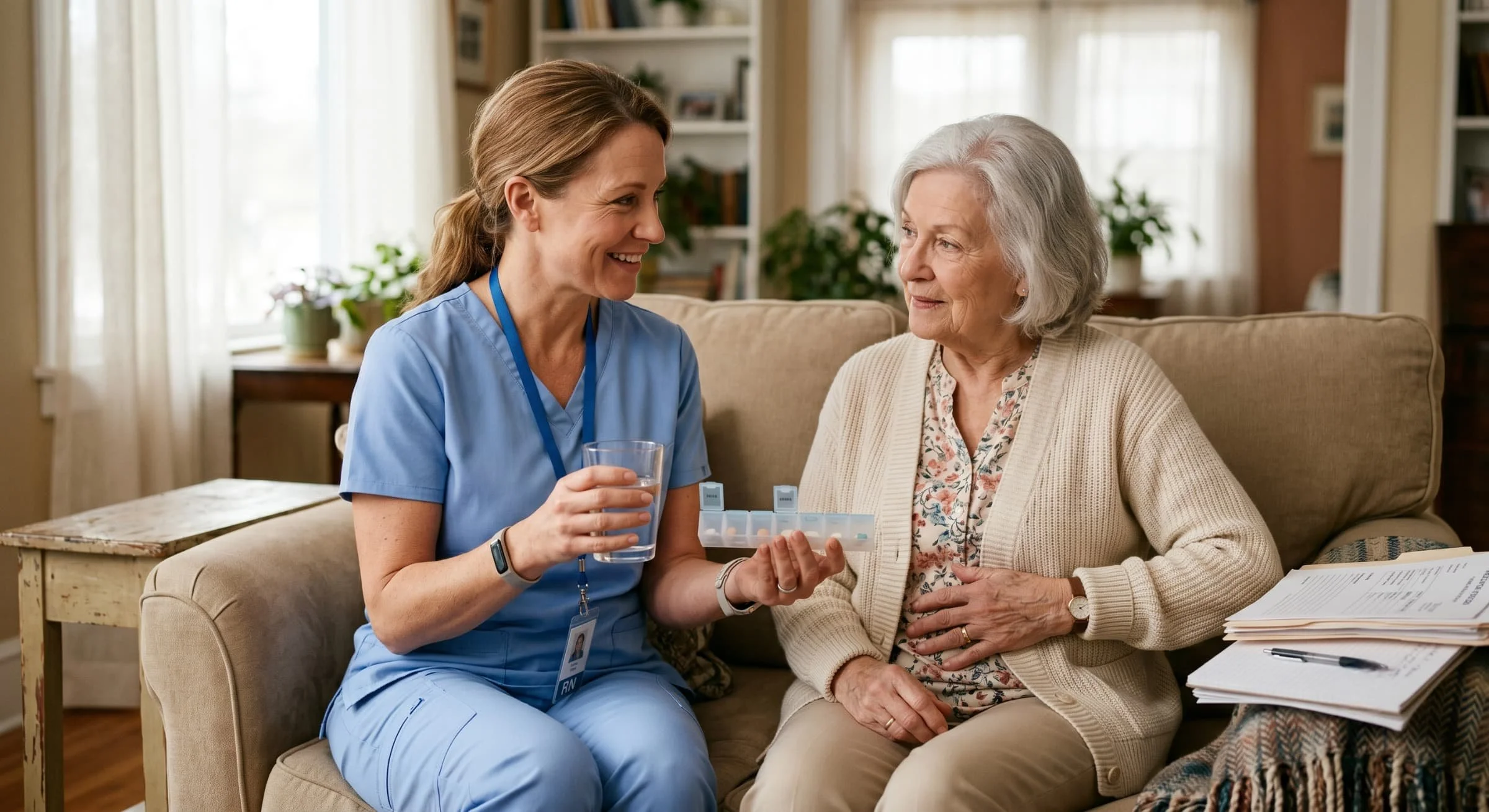
In some cases, the severity of an accidental injury requires more than just outpatient visits. For those dealing with complex healing or car accident disability, having a skilled nurse or therapist visit the home is vital. XL Home Health provides high-level clinical monitoring, ensuring that medication, wound care, and physical therapy are all aligned with the latest 2026 protocols.
Essential Medical Equipment for Home Recovery
Having the right tools can make the difference between a frustrating recovery and a successful one. Depending on your type of injury, you may need specific durable medical equipment (DME). The focus in 2026 has shifted toward accessible medical diagnostic equipment that meets modern federal standards, ensuring that patients can be monitored accurately outside of a hospital.
| Equipment Category | Purpose | Why it matters |
| Mobility Aids | Walkers, crutches, or wheelchairs | Reduces strain on injured joints and prevents falls. |
| Orthopedic Support | Cervical pillows, lumbar rolls | Vital if your neck hurts from car accident stiffness. |
| Monitoring Tools | Pulse oximeters, smart scales | Keeps your medical team informed of your vital signs. |
Getting these items quickly is essential. Reliable providers like MedLife Medical Supply offer a wide range of medical goods that transform your home into a professional-grade recovery suite.
Healing the Mind: Addressing PTSD and Emotional Trauma
A car crash is a violent event, and the brain often stores that trauma long after the physical wounds have closed. PTSD from car accident is a common but frequently overlooked hurdle.
A comprehensive systematic review of survivors indicates that a significant percentage of people involved in collisions develop post-traumatic stress symptoms. If you find yourself avoiding driving, having vivid nightmares, or feeling "on edge," you are likely experiencing a psychological personal injury. 2026 protocols emphasize "Psychological First Aid" which includes:
Creating a "Quiet Zone": A dedicated space in the house with low noise and soothing colors.
Gradual Exposure: Working with a therapist to slowly re-engage with the idea of travel.
Routine: Maintaining a strict daily schedule to provide the brain with a sense of "predictable safety."
Integrating Modern Medical Access with Doctor2me
One of the biggest obstacles to a smooth car accident recovery is the logistical nightmare of getting to follow-up appointments. For someone whose neck hurts from a car accident, sitting in a car for 30 minutes and then waiting in a crowded clinic can actually set back their physical progress.
This is where Doctor2me changes the landscape of modern recovery. By bringing the doctor directly to your living room, Doctor2me eliminates the physical strain and mental anxiety of travel. This "house call" model is perfect for maintaining a consistent personal injury process, allowing you to stay in your safe, modified environment while still receiving top-tier medical oversight. It’s a lower-stress way to ensure that any complications—like increasing pain or new symptoms—are caught early without the ordeal of an ER visit.
Recovering from an accidental injury is a marathon, not a sprint. By focusing on your environment, utilizing specialized home services, and keeping up with active therapy, you significantly increase your chances of a full return to health.
Whether you are navigating catastrophic injury cases or managing a persistent neck injury after car accident, remember that you don't have to do it alone. From physical home modifications to on-demand medical care, the resources available in 2026 are designed to support you every step of the way.
FAQ
What exactly is defined as a personal injury after a car accident?
A personal injury refers to any physical, cognitive, or emotional harm sustained during a collision. In a clinical context, the personal injury process encompasses everything from minor soft tissue damage, like whiplash, to life-altering catastrophic injury cases involving spinal or brain trauma.
How long does it typically take to recover from a neck injury after a car accident?
For most patients, the primary recovery window for an accidental injury to the neck is between 4 and 12 weeks. However, if your neck hurts from car accident impacts consistently, a longer rehabilitation plan involving active physical therapy and ergonomic home support may be necessary to prevent chronic pain.
What are the most common signs of PTSD from a car accident?
Psychological trauma often manifests as hyperarousal, vivid nightmares, and an intense avoidance of driving or being a passenger in a vehicle. Recognizing these ptsd from car accident symptoms early is crucial, as they are a significant part of the overall personal injury healing process.
When should I see a professional if my neck hurts from car accident trauma?
You should seek medical evaluation immediately, as symptoms of a serious neck injury after car accident collisions often have a delayed onset of 24 to 48 hours. Early diagnosis allows for active mobilization protocols, which are far more effective than traditional bed rest for restoring long-term mobility.
How can I modify my home to assist in car accident recovery?
Focus on eliminating fall risks by removing loose rugs, improving hallway lighting, and installing bathroom safety bars. For those managing a temporary or permanent car accident disability, utilizing home transitional services ensures that your living space is professionally adapted to your specific physical needs.
What is considered a catastrophic injury case in a motor vehicle accident?
Catastrophic injury cases involve permanent, life-altering damage such as spinal cord injuries, limb loss, or severe traumatic brain injuries. These complex situations require a multidisciplinary approach, combining high-end medical equipment, long-term clinical monitoring, and extensive home modifications to maintain the patient's quality of life.
You May Also Like