Turning a Bedroom into a Care Suite: The Ultimate Guide to Essential Home Hospital Equipment
Table of Contents
When a loved one faces a serious illness or a long recovery period, the home environment often becomes the primary setting for medical care. Transforming a standard living space into a functional "home hospital" is a complex task that requires more than just compassion—it demands the right tools to ensure safety, dignity, and clinical effectiveness. Setting up professional-grade home medical equipment allows patients to receive high-quality care in a familiar setting, which can significantly improve psychological well-being and recovery outcomes. To build an effective care environment, families must follow established home use medical device safety guidelines to ensure that complex machinery is managed correctly in a non-clinical environment.
Choosing the right resources, such as those offered through Doctor2me, can significantly reduce the stress of this transition. By bringing professional medical consultations directly to the patient's bedside, families can avoid the logistical hurdles and infection risks associated with traditional clinic visits, ensuring that the equipment used is always aligned with the patient's current clinical needs.
The Foundation of Comfort: Selecting Hospital Beds for Home Use
The centerpiece of any home-based clinical setup is the bed. Standard residential beds are rarely sufficient for patients with limited mobility or those requiring frequent medical interventions. High-quality home hospital beds are designed to provide both the patient and the caregiver with necessary functionality that a flat mattress simply cannot offer.
One of the primary advantages of hospital beds for home use is the ability to adjust the head and foot sections. This is not just about comfort; it is a clinical necessity. Elevating the head can assist with respiratory issues and prevent aspiration during feeding, while adjusting the leg section helps manage circulation and reduces edema. When sourcing these items, working with an experienced coordinator like Medlife Medical Supply, Inc ensures that the specific model chosen—whether manual, semi-electric, or fully electric—fits the physical dimensions of the home and the specific weight requirements of the patient.
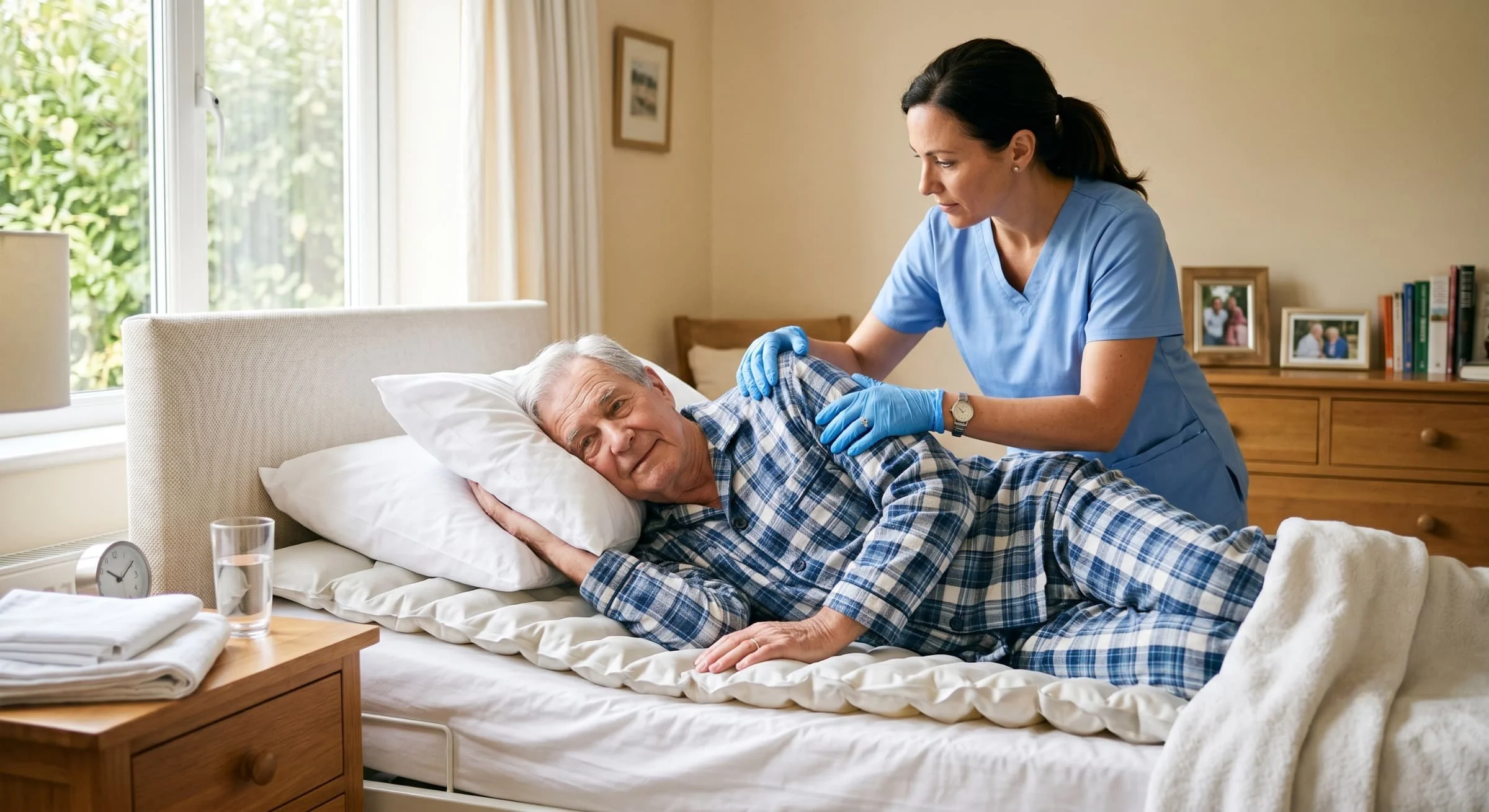
Beyond the frame, the mattress is perhaps the most critical component for preventing secondary complications. Patients who are bedbound are at an extremely high risk for pressure ulcers (bedsores). Specialized pressure-redistribution mattresses, often utilizing alternating air cells, are essential home health equipment for preventing pressure ulcers and maintaining skin integrity by constantly shifting the points of contact to improve circulation.
Enhancing Safety and Mobility: Beyond the Bedside
A home hospital must also account for the moments when a patient needs to move. Mobility is often the greatest challenge in home care, and without the right tools, both the patient and the caregiver are at risk of injury. Integrating professional-grade home medical equipment for transfers is vital for maintaining a routine that includes hygiene and social interaction.
Patient lifts (often called Hoyer lifts) are indispensable for transferring individuals from the bed to a wheelchair or a commode. These devices require careful training to operate, but they provide a level of safety that manual lifting cannot match. In many cases, families find that consulting with experts like Assisted Living Solutions helps in assessing the home’s layout to ensure that doorways and floor surfaces are compatible with such heavy-duty machinery.
Safety also extends to the bathroom. This is frequently the most dangerous room in the house for a seriously ill patient. Essential medical equipment for home use in this area includes:
Rolling Shower Chairs: Allowing for safe transport into walk-in showers.
Raised Toilet Seats with Grab Bars: Reducing the physical strain of sitting and standing.
Transfer Benches: Providing a stable bridge over the side of a bathtub.
When a patient’s condition requires professional oversight to manage these transitions, agencies like XL Care Home Health Agency provide the skilled nursing and physical therapy necessary to utilize this equipment effectively, ensuring that every movement is therapeutic rather than a risk factor.
Vital Support: Oxygen Supplies and Respiratory Care
For many patients dealing with chronic obstructive pulmonary disease (COPD), advanced heart failure, or the long-term effects of respiratory infections, the home must be equipped to support breathing. Managing oxygen supplies is a task that requires both technical knowledge and strict safety protocols.
Oxygen concentrators are the standard for home use, as they pull oxygen from the surrounding air and deliver it in a concentrated form, eliminating the need for frequent tank deliveries. However, portable oxygen tanks remain a necessary backup in case of power outages or for short trips outside the home. It is crucial to maintain a sterile environment when using nebulizers and CPAP/BiPAP machines to prevent complications for those living with chronic conditions.
In the context of palliative care, where the focus shifts to maximizing comfort and quality of life, respiratory support becomes even more nuanced. Providers such as LIEM Hospice specialize in integrating these tools into a broader care plan that prioritizes the patient's ease of breathing and emotional peace, ensuring that the technical side of care never overshadows the person.
The Role of Monitoring and Diagnostic Medical Equipment for Home Use
A functioning home hospital isn't just about large furniture; it’s also about the data. Monitoring a patient’s vital signs is the only way to catch early warnings of a declining condition. Modern home health equipment now includes digital tools that were once exclusive to Intensive Care Units.
A comprehensive monitoring kit should include:
Pulse Oximeters: To track oxygen saturation levels continuously.
Digital Blood Pressure Monitors: With cuffs sized correctly for the patient to ensure accuracy.
Infusion Pumps: For those requiring intravenous medications or enteral nutrition (tube feeding).
Smart Thermometers: For rapid detection of fever, which can be the first sign of infection in immunocompromised patients.
Managing this data can be overwhelming for family caregivers. Having a 24/7 point of contact, such as 911 AM PM Home Health care, provides an essential safety net. These professionals can interpret the readings from your medical equipment for home use and advise on when a change in the care plan is needed. This real-time feedback loop is what truly differentiates a "home hospital" from standard home care, bringing hospital-quality services into the home setting.
Designing the Space for Ergonomics and Hygiene
The physical arrangement of the room is as important as the equipment itself. A cluttered room increases the risk of falls and makes it difficult for emergency medical services to reach the patient if needed. When setting up home hospital beds, ensure there is at least three feet of clearance on both sides of the bed to allow caregivers to perform tasks like bathing, changing linens, and repositioning the patient.
Proper hygiene and the management and safe use of medical devices are critical pillars of home care. The surfaces of all home medical equipment should be non-porous and easy to disinfect. Caregivers should have easy access to a dedicated "sanitation station" near the entrance of the room, equipped with medical-grade gloves, hand sanitizer, and a sharps container if the patient requires injections.
Professional Guidance and Personal Care
Navigating the world of medical devices can be intimidating. Often, the best way to ensure your setup is optimal is to have a medical professional evaluate the environment in person. Doctor2me offers a unique advantage here, providing home visits from doctors who can provide tailored recommendations on the specific home health equipment your loved one needs. This personalized approach ensures you aren't overbuying unnecessary gadgets while ensuring that critical needs—like the correct type of oxygen supplies—are fully met.
By combining the right physical tools with professional medical oversight, you create a space that doesn't just "manage" an illness, but actively supports the dignity and comfort of the patient. The goal of a home hospital is to provide a sanctuary where the "medical" part of life is handled with such efficiency that the "human" part of life can take center stage again.
FAQ
What is considered essential home medical equipment for a bedbound patient?
The core setup for a high-needs patient includes an adjustable hospital bed, a pressure-redistribution mattress to prevent skin breakdown, and mobility aids like patient lifts for safe transfers. These tools, combined with monitoring devices like pulse oximeters, allow for professional-level clinical care while ensuring the patient’s safety and dignity.
Why are hospital beds for home use better than standard residential beds?
Unlike standard furniture, dedicated home hospital beds allow for independent adjustment of the head and foot sections, which is critical for preventing aspiration and improving circulation. These beds also offer variable height settings, reducing the physical strain on caregivers and minimizing the risk of falls during patient repositioning.
What safety equipment is necessary for the bathroom in a home hospital setup?
To secure the bathroom environment, you should install raised toilet seats with integrated grab bars and utilize specialized transfer benches or rolling shower chairs. This medical equipment for home use is vital for maintaining hygiene routines safely, especially for patients with limited balance or muscle weakness.
How do I safely manage oxygen supplies for a loved one at home?
Managing respiratory support requires a reliable oxygen concentrator for continuous flow and portable backup tanks for emergency power outages. It is essential to keep all oxygen supplies away from heat sources and maintain a sterile environment for tubing and masks to prevent respiratory infections.
How can I determine which home health equipment is clinically necessary?
The most effective way to select equipment is through a professional home safety assessment conducted by a physician or a skilled nursing agency. Experts from services like Doctor2me can evaluate the patient’s specific condition at their bedside to recommend the exact diagnostic and therapeutic tools needed for their long-term care plan.
Can home medical equipment help in preventing pressure ulcers?
Yes, utilizing specialized home health equipment such as alternating pressure mattresses and foam wedges is the standard for preventing bedsores in immobile patients. These surfaces constantly redistribute weight to maintain healthy blood flow to the skin, which is a critical component of professional wound care at home.
You May Also Like