Stylish and Safe: Bathroom Solutions That Prevent Fractures and Save Lives
Table of Contents
The bathroom is often called the "most dangerous room in the house," and for a good reason. According to official CDC statistics, over 80% of household falls among seniors occur in this space, often leading to long-term health complications. However, in 2026, modern bathroom safety combines high-end design with life-saving functionality, turning a high-risk zone into a sanctuary of independence and style.
The Biomechanics of a Fall: Why Gravity Wins in the Bathroom
Falls in the bathroom are rarely just "slips." They are often "high-energy impacts" on unforgiving surfaces like porcelain, marble, and ceramic tile. As highlighted by UCLA Health experts, falling is the primary cause of nearly 88% of emergency room visits for hip fractures in older adults. As we age, our proprioception—the body's internal GPS—can falter. When you combine steam, wet surfaces, and the need to transition from sitting to standing, you create a "perfect storm" for serious injuries.
To mitigate these risks, home health experts, such as the team at 911 AM PM Home Health care, emphasize that prevention is a multi-layered strategy. It starts with professional monitoring and ends with physical modifications that allow for "aging in place" without the constant fear of a sudden, life-changing injury.
Quick Comparison: Standard vs. Safety-Optimized Bathrooms
| Feature | Standard Bathroom (High Risk) | Safety-Optimized Bathroom (Low Risk) |
| Flooring | Polished Tile (DCOF < 0.30) | Non-Slip Textured Flooring (DCOF > 0.42) |
| Support | Towel Racks (Load: 5–10 lbs) | ADA Grab Bars (Load: 250+ lbs) |
| Access | High-Step Tub Rim (15"+) | Walk-In Tub or Low-Threshold Shower |
| Seating | None (Standing only) | Ergonomic Shower Chair or Teak Bench |
| Lighting | Single Overhead Fixture | Motion-Activated LED & Contrast Lighting |
The Foundation: Bathroom Non-Slip Flooring and Mats
The first line of defense is what is under your feet. Traditional polished marble or ceramic tiles become incredibly slick when even a small amount of moisture is present.The National Institute on Aging recommends using non-slip strips or mats on all surfaces that may get wet to significantly reduce the risk of a dangerous slide.
Choosing High-Traction Materials
When looking for bathroom non-slip flooring, pay attention to the Dynamic Coefficient of Friction (DCOF). For wet areas, a rating of 0.42 or higher is the gold standard for preventing hydroplaning of the foot.
Textured Porcelain: Offers the look of natural wood or stone but with a microscopic texture that provides "grip."
Luxury Vinyl Plank (LVP): Many modern LVPs are softer underfoot, which can actually help absorb impact and reduce the severity of a fracture if a fall does occur.
The Critical Role of Bath Mats
Even with the best flooring, the area immediately outside the tub needs extra attention. Bath mats non-slip should not just be "rubbery"—they must have high-quality suction or a latex-integrated backing that literally bonds to the floor surface. Avoid fluffy rugs without backing; in Pasadena and surrounding areas, these remain a leading cause of "trip and fall" incidents.
Stability on Demand: Bathroom Grab Bars
A common and dangerous mistake is using a towel rack for balance. Towel racks are designed to hold fabric, not the sudden weight of a human body during a slip. Experts from the Mayo Clinic strongly advise installing sturdy assistive devices like grab bars, as a towel rack can easily pull out of the drywall, making a fall even more violent.
Strategic Placement for Maximum Safety
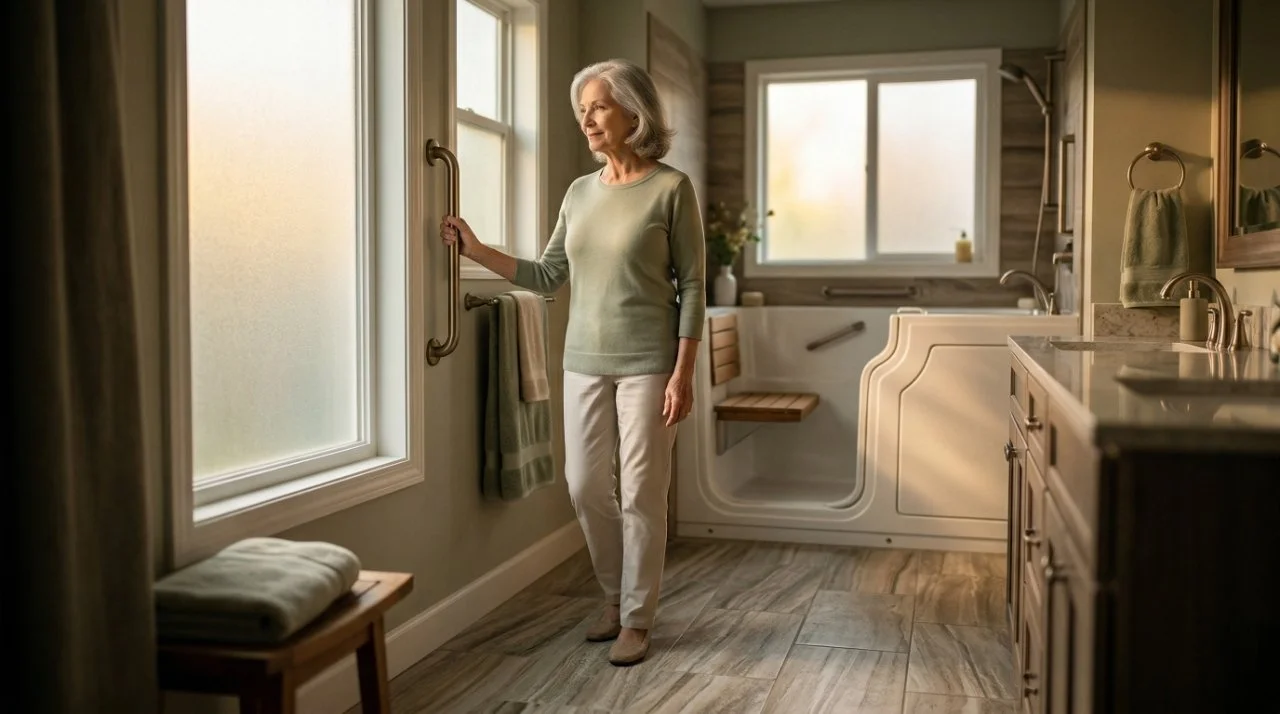
Installing bathroom grab bars is a task that requires precision and knowledge of wall stud locations. Modern shower grab bars now come in finishes like matte black, brushed gold, and oil-rubbed bronze, blending seamlessly into a luxury spa design.
Vertical Entry Bars: Placed at the entrance to help you step over the threshold.
Horizontal Transition Bars: Placed along the side wall to assist with movement while washing.
The Commode Zone: A bar placed near the toilet to assist with the sit-to-stand transition.
For homeowners who want these features to look like high-end hardware rather than medical equipment, Call Before You Fall specializes in "invisible safety." They provide reinforced bars that double as stylish shelving or designer soap dishes, ensuring your bathroom remains a beautiful retreat.
The Seating Revolution: Shower Chairs
For individuals with vertigo, chronic pain, or low cardiovascular endurance, standing for the duration of a shower is a significant metabolic tax. A shower chair is no longer a clunky plastic stool; it is a critical piece of ergonomic furniture that prevents fatigue-related falls.
Technical Requirements for Quality Seating
| Feature | Why It Matters |
| Non-Slip Feet | Prevents the chair from "skating" on soapy water. |
| Drainage Holes | Prevents water pooling, which can cause skin maceration or slips. |
| Rust-Proof Frame | Ensures longevity in high-humidity environments. |
| Weight Capacity | Must be rated for the user to ensure structural integrity. |
Working with reputable suppliers like Medlife Medical Supply, Inc ensures that you receive medical-grade equipment that has been rigorously tested for weight capacity and corrosion resistance. They offer everything from portable stools to heavy-duty transfer benches that make entering the shower effortless.
The Ultimate Upgrade: Walk-In Tubs
For those who love the therapeutic benefits of a soak but find the high ledge of a standard bathtub impassable, walk-in tubs are the gold standard of home modification. These units feature a leak-proof door, allowing you to step into the tub with a low threshold (usually less than 4 inches).
Hydrotherapy and Fracture Prevention
Many walk-in models include hydrotherapy jets and heated seating. These are not just luxuries; they are medical tools that help manage arthritis and improve circulation. Better circulation leads to better muscle tone and balance, which are the biological foundations of fall prevention.
When considering such a significant home modification, consulting with experts like Assisted Living Solutions is vital. They help bridge the gap between "living at home" and "living safely," ensuring that the installation meets all local safety codes and is tailored to your specific mobility level.
Lighting, Contrast, and Sensory Safety
Visual acuity often drops in low-light or steamy environments. A bathroom with white tiles, a white tub, and a white floor creates a "white-out" effect where depth perception fails.
Motion-Activated Lighting: Ensure the path to the bathroom is illuminated automatically at night to prevent trips in the dark.
High Contrast Colors: If your walls are light, use dark bronze or black bathroom grab bars. This gives the eye a clear target to reach for if you feel unsteady.
Reducing Stress Through Proactive Care
Navigating a change in mobility or recovering from a "near-miss" fall can be an overwhelming experience for both the patient and their family. The traditional medical model—traveling to a busy clinic, waiting in crowded rooms, and risking exposure to seasonal illnesses—often leads people to delay the help they need.
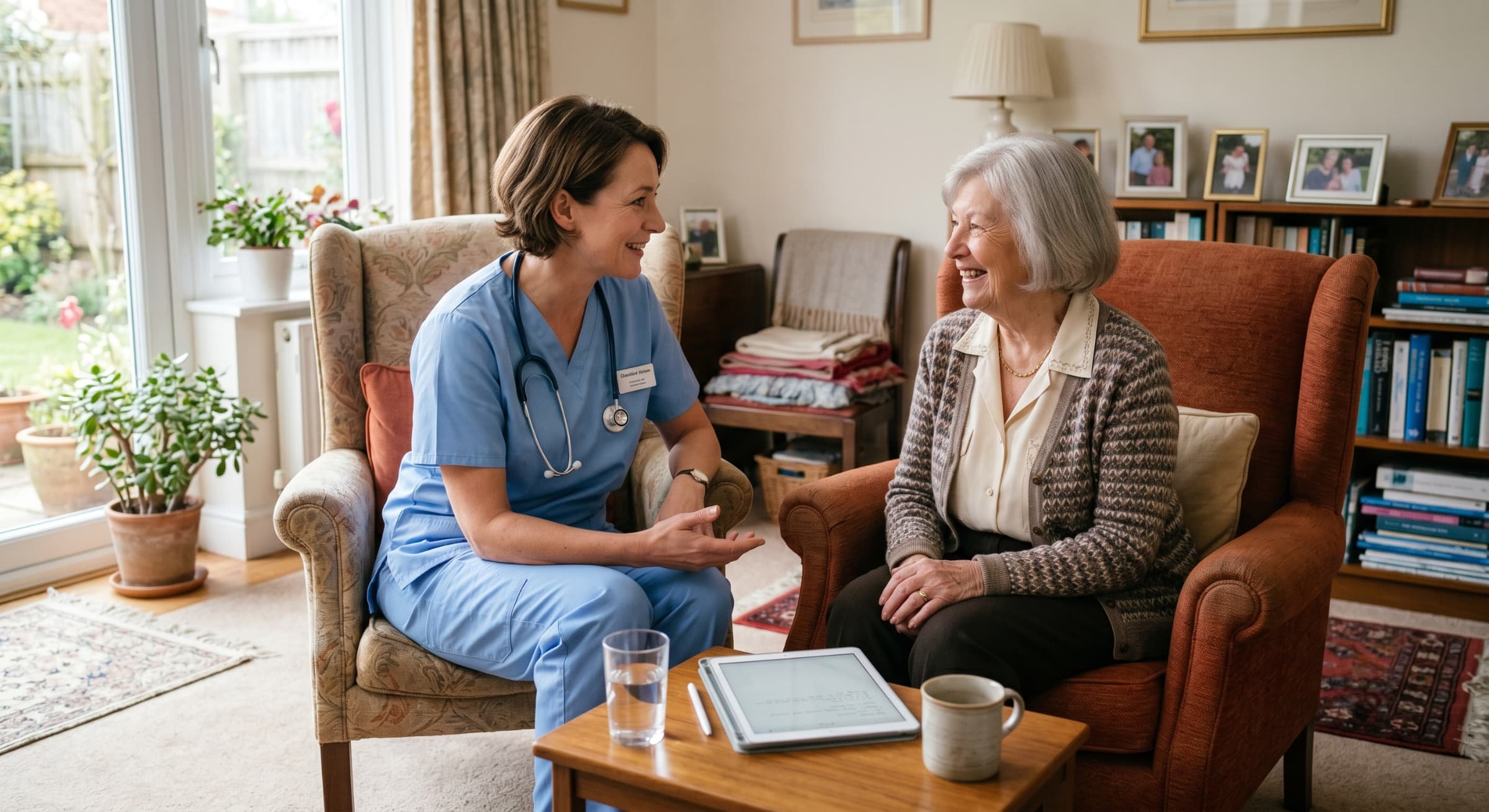
This is where Doctor2me offers a modern, compassionate alternative. By bringing the physician directly to your home, you can discuss your safety concerns and mobility challenges in the very environment where you live. A home visit allows a doctor to see firsthand the specific layout of your bathroom and provide personalized, actionable recommendations. This reduces the stress of care and ensures that your preventive strategy is based on your real-world needs, not just a clinical checklist.
Transforming your bathroom into a safe haven is one of the most proactive steps you can take for your long-term health and independence. By combining high-traction bathroom non-slip flooring, strategically placed shower grab bars, and advanced solutions like walk-in tubs, you aren't just preventing a fracture—you are protecting your quality of life.
Remember, the goal is to make your home work for you, not against you. Start with a small change today, whether it's a new shower chair or a professional home assessment, and enjoy the peace of mind that comes with a truly safe home.
FAQ
What are the best locations to install bathroom grab bars for maximum safety?
For optimal stability, install shower grab bars vertically at the entry point to assist with stepping over the threshold and horizontally along the side wall for support while washing. Adding bathroom grab bars near the toilet is also essential to help with sit-to-stand transitions, which are common points of dizziness for many seniors.
How can I identify truly non-slip flooring for a wet bathroom environment?
When selecting bathroom non-slip flooring, look for materials with a Dynamic Coefficient of Friction (DCOF) rating of 0.42 or higher, which is the industry standard for slip resistance in wet areas. Complementing high-traction floors with bath mats non-slip that feature reinforced suction or latex backing ensures a secure grip even when surfaces are soapy.
What are the primary benefits of upgrading to a walk-in tub?
Walk-in tubs eliminate the dangerous "high-step" required by standard bathtubs, offering a low-threshold entry that significantly reduces the risk of tripping. These units are a cornerstone of aging in place, often incorporating therapeutic hydrotherapy jets that soothe arthritic joints and improve the circulation necessary for maintaining balance.
Is a shower chair necessary if I don't have major mobility issues?
Even for those with moderate mobility, a shower chair serves as a vital tool for fatigue management and vertigo prevention during long or hot showers. Using professional-grade medical supplies like an ergonomic stool allows you to conserve energy and provides a stable base of support, preventing the "near-miss" slips that often lead to serious fractures.
How does a home-based physician visit improve bathroom safety?
A home visit from a service like Doctor2me allows a healthcare provider to conduct a real-world assessment of your specific bathroom layout and identify hazards that are invisible in a clinical setting. This personalized home health approach ensures that your safety modifications—from lighting to equipment—are medically tailored to your unique physical needs and environment.
You May Also Like