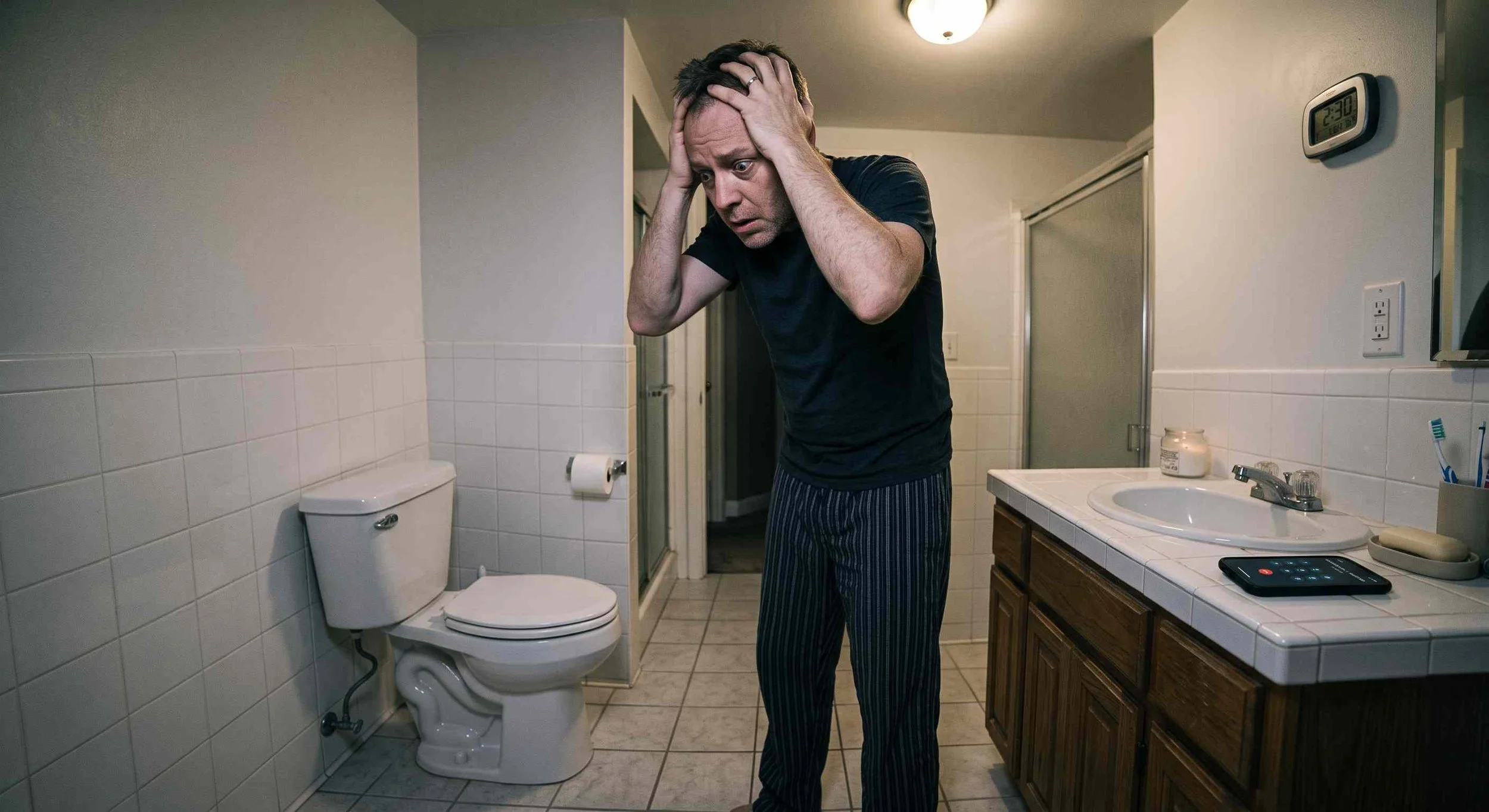
Hyponatremia (Low Sodium) in Seniors: Causes, Symptoms, and Hidden Risks
Hyponatremia means there is too little sodium in the blood. Doctors call it low sodium when a blood test shows a level below 135 mmol/L. It is the most common salt imbalance in older adults, and it often hides behind vague signs like tiredness or confusion. The good news is that low sodium can be found with a simple blood test and treated once the cause is clear. This guide explains the signs of low sodium, what raises the risk, and how treatment works.
If an older loved one seems more confused, weak, or unsteady than usual, you do not have to guess. An independent, licensed provider can come to the home the same day, with no waiting room and no risk of catching an infection in a crowded clinic.
What Hyponatremia Means
Sodium is a mineral that helps the body hold the right amount of water. It also helps nerves and muscles work. When sodium drops too low, water moves into the body's cells and makes them swell. In the brain, that swelling is what causes many of the symptoms people notice.
Normal Sodium Levels vs. Low Sodium
Healthy sodium levels usually sit between 135 and 145 mmol/L. A level under 135 is called hyponatremia, while a level above 145 points to high sodium levels (the opposite problem, often tied to dehydration). Mild low sodium may cause no clear symptoms at all. Moderate or fast drops are the ones that tend to cause trouble, which is why Mayo Clinic notes that even small shifts matter more in older adults.
Why Older Adults Are at Higher Risk
Aging changes how the body handles water and salt. The kidneys hold onto water more easily, the sense of thirst fades, and many seniors take medicines that affect sodium. Research backs this up. In one large community study, about 8 out of every 100 adults age 55 and older had low sodium, rising to about 12 out of 100 in people over 75. The rate is even higher in care settings, where roughly 18 out of 100 nursing home residents have hyponatremia at some point.
Common Causes of Low Sodium in Seniors
There is rarely a single reason for low sodium. Most of the time, several small factors add up. Knowing the main hyponatremia causes helps you and the doctor find the right fix.
Medications That Lower Sodium
Some everyday prescriptions pull sodium down. The most common ones include water pills (diuretics) used for high blood pressure or heart failure, certain antidepressants, and some seizure medicines. Because seniors often take several drugs at once, the effect can build up slowly over weeks. A careful medication review is one of the fastest ways to find the problem.
Health Conditions and Too Much Water
Long-term illnesses can also lower sodium. Heart, kidney, and liver disease all make the body hold extra water, which dilutes the salt in the blood. Hormone problems, such as a thyroid or adrenal issue, can do the same. Even drinking very large amounts of water or other fluids can push sodium too low, especially during hot weather or after an illness with vomiting or diarrhea.
● Water pills (diuretics), some antidepressants, and certain seizure medicines
● Heart failure, kidney disease, and liver disease
● Thyroid or adrenal hormone problems
● Drinking too much water, or losing fluids from vomiting and diarrhea
Signs and Symptoms to Watch For
The tricky part is that hyponatremia symptoms look a lot like normal aging or other illnesses. That is why low sodium is often missed at home. Learning the symptoms of low sodium levels helps families act sooner.
Early Warning Signs
When sodium drops slowly, the first hints are usually mild and easy to brush off. Look for nausea, headaches, low energy, muscle cramps or weakness, and feeling off-balance. In older adults, new or worse confusion is a key clue. If a senior suddenly seems foggy, irritable, or unsteady on their feet, low sodium is worth checking.
● Nausea, low appetite, or an upset stomach
● Headache and tiredness
● Muscle cramps, weakness, or unsteady walking
● New confusion, trouble focusing, or irritability
When Low Sodium Becomes an Emergency
A fast or very large drop in sodium is dangerous. Call 911 or go to the emergency room if a senior has severe confusion, cannot stay awake, vomits over and over, or has a seizure. As Cleveland Clinic warns, severe hyponatremia can lead to seizures, coma, and even death if it is not treated quickly. When in doubt, get help right away.
How Doctors Check Sodium Levels
Low sodium is easy to confirm. A basic blood test measures sodium levels along with other minerals, and it gives a clear answer within a day. The hard part for many seniors is getting to a lab, especially if they feel weak or do not drive.
This is where care at home helps. A home blood draw means the senior never has to leave the house. Independent labs such as Sonic Diagnostic Laboratory, which sends a trained phlebotomist to draw blood at home across Los Angeles County, make it simple to track sodium over time without a stressful trip to a clinic. The same blood panel can also flag high sodium levels, kidney issues, or other problems behind the symptoms.
Hyponatremia Treatment and Management
The right hyponatremia treatment depends on the cause, how low the sodium is, and how fast it dropped. The goal is always to raise sodium slowly and safely while fixing the reason it fell.
Treating the Cause
For mild cases, the fix is often as simple as limiting fluids or adjusting a medication. When a water pill is the culprit, a doctor may change the dose or switch drugs. More severe cases may need intravenous (IV) fluids with sodium, given carefully in a medical setting. Sodium must come up gradually, because raising it too fast can harm the brain.
Day-to-Day Management at Home
Good hyponatremia management is mostly about steady follow-up. That means rechecking sodium after any medication change, watching fluid intake, and treating the underlying illness. Older adults often benefit from a doctor who knows geriatric care well. An independent geriatric medicine provider can review a senior's full drug list and spot the small changes that keep sodium in a safe range. That kind of review can happen right at the kitchen table, the same day, without a tiring office visit.
Sodium and Blood Pressure: Finding the Balance
Many seniors are told to follow a high blood pressure low sodium diet to protect their heart. That advice is sound. Eating less salt is one of the best ways to lower blood pressure, and plans like the DASH eating plan from the NIH are built around it. The standard plan keeps sodium under 2,300 mg a day, and a lower-sodium version aims for about 1,500 mg a day for people with high blood pressure.
Can a Low-Sodium Diet Go Too Far?
For most people, cutting back on salt is safe and helpful, as Mayo Clinic explains in its DASH diet guidance. The risk of true hyponatremia from food alone is low. The bigger danger comes from mixing a very low-salt diet with water pills, heavy water drinking, or illness. If a senior on a low-salt diet starts feeling weak or confused, that is a reason to check sodium, not to assume the diet is harmless. Pairing smart eating with steady monitoring keeps both blood pressure and sodium in a healthy place. A balanced plate that also includes plenty of fiber-rich foods supports the heart without pushing salt to an extreme.
How to Lower the Risk of Low Sodium
A few simple habits go a long way toward preventing low sodium in older adults. The aim is balance: enough fluid to stay hydrated, but not so much that it dilutes the blood, plus regular check-ins with a doctor who knows the senior's history.
● Drink to thirst, and do not force large amounts of water unless a doctor advises it
● Review all medicines at least once a year, especially water pills
● Check sodium levels after any new prescription or dose change
● Watch for new confusion, weakness, or falls and act on them quickly
● Manage heart, kidney, liver, and thyroid conditions closely
Sodium that is too low and a diet built around a sensible low-salt plan for high blood pressure are two sides of the same coin. The goal is not zero salt, but the right amount, checked over time. With same-day home visits and easy home lab draws, families can keep an eye on sodium levels without the stress of constant clinic trips.
FAQ
What Causes Low Sodium in a 70-Year-Old?
In a 70-year-old, low sodium most often comes from water pills, heart or kidney disease, and age-related changes in how the kidneys handle water. Drinking too much fluid and certain antidepressants can add to it. Usually more than one of these hyponatremia causes is at work at the same time.
How Is Hyponatremia Treated in the Elderly?
Treatment depends on the cause and how low the sodium is. Mild cases are often handled by limiting fluids or adjusting medicines, while severe cases may need IV fluids in a medical setting. Sodium is always raised slowly to protect the brain.
How Do You Raise Sodium Levels in Seniors?
Doctors raise sodium by treating the cause, cutting back on excess fluids, and sometimes giving sodium through an IV. A senior should never try to fix low sodium alone with salt tablets or extra salty food, because raising it too fast is risky. A doctor should guide every step.
What Is the Rule of 6 for Hyponatremia?
The rule of 6 is a safety guideline doctors use during treatment. It suggests raising sodium by no more than about 6 mmol/L over 24 hours in many cases. Going slower helps avoid a serious brain complication that can happen when sodium climbs too fast.
Can a Person Recover From Low Sodium Levels?
Yes. Most people recover well once the cause is found and treated. Mild low sodium often clears up quickly with small changes. The key is catching it early and following up, since untreated or severe hyponatremia can be dangerous.
What Are Dangerously Low Sodium Levels?
Sodium below about 120 mmol/L is generally considered dangerous and needs prompt medical care. At that level, the risk of seizures and confusion rises sharply. Any senior with severe symptoms should be seen right away, no matter the exact number.
You May Also Like