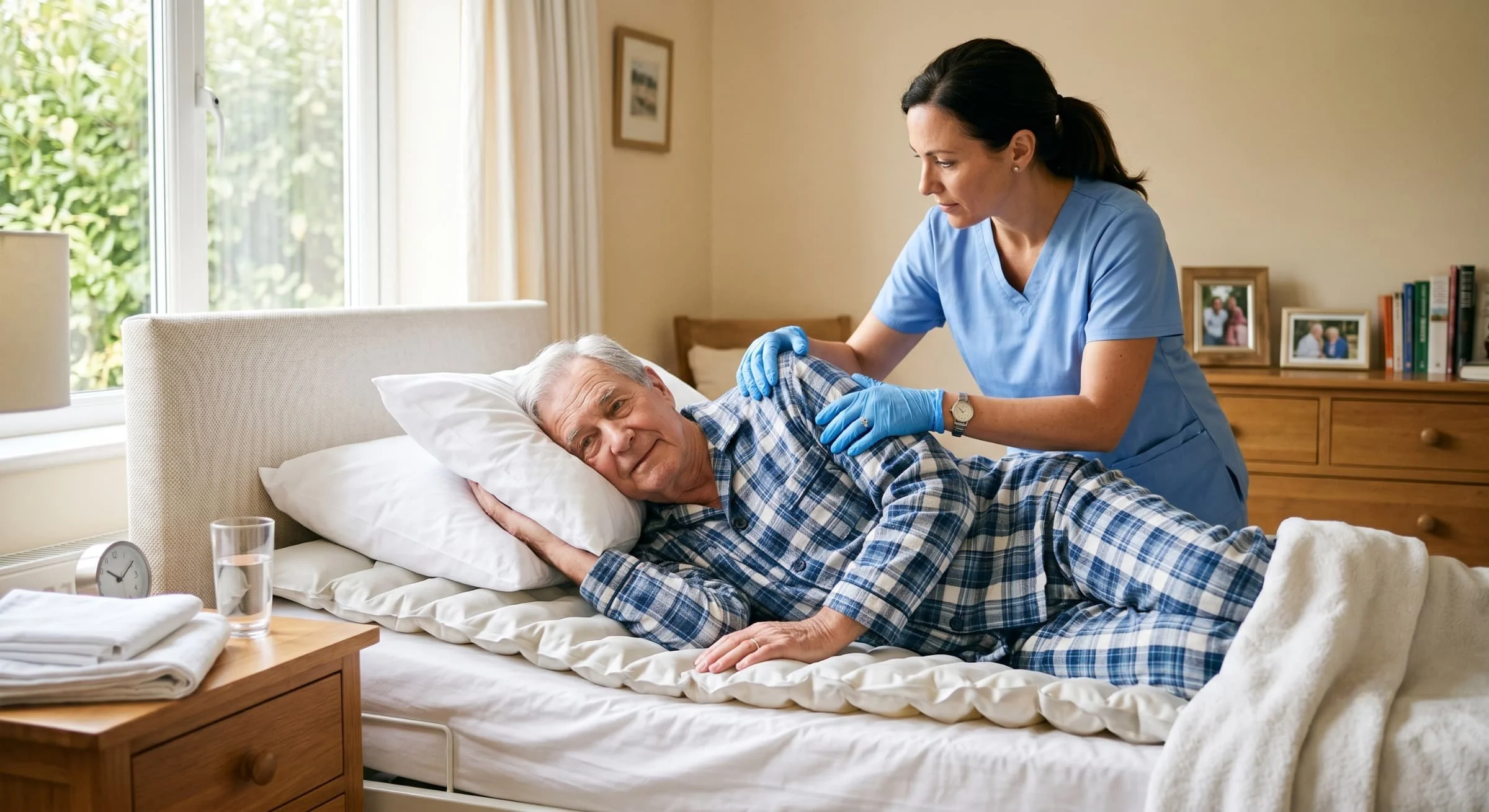
Mobile X-Ray and Ultrasound at Home
Table of Contents
The landscape of modern healthcare is shifting rapidly toward the patient’s front door. For many individuals, especially those managing chronic conditions or recovering from acute injuries, the traditional trek to a hospital for imaging can be more than just an inconvenience—it can be a health risk. This is where professional home diagnostics come into play, offering a seamless bridge between clinical accuracy and the safety of your own environment.
By bringing advanced medical technology directly to the bedside, providers are ensuring that timely intervention is no longer tethered to a physical clinic. Whether you are dealing with mobility issues or simply seeking to minimize exposure to hospital-acquired infections, understanding the scope of available at home diagnostic tools is the first step toward better health management.
The Rise of High-Tech At-Home Diagnostic Services
In the past, bedside imaging was often limited by the sheer size of the equipment. However, the latest generation of medical devices has changed the game. Companies like Professional Imaging Network Co. have set high standards in the industry, utilizing compact, high-definition equipment that delivers results comparable to large-scale hospital machines.
Portable X-Ray Diagnostics: Hospital Quality in Your Living Room
When a patient experiences a fall or shows signs of respiratory distress, every minute counts. Modern x-ray diagnostics have evolved into a highly mobile field. A portable x-ray home service uses digital radiography (DR) technology, which allows the technician to capture images and preview them instantly on a laptop. These images are then securely transmitted to a board-certified radiologist for immediate interpretation. This rapid turnaround is essential for diagnosing conditions like pneumonia or localized fractures without the stress of an emergency room visit.
Ultrasound Services at Home: Precision and Convenience
Beyond bone health and lung checks, ultrasound services offer a non-invasive way to look at soft tissues, blood flow, and organ function. Whether it is monitoring a high-risk pregnancy or checking for gallbladder issues, having access to an ultrasound at home service near me provides a level of privacy and comfort that a busy imaging center simply cannot match. Specialists from Gentry Imaging often emphasize that the quality of care in a home setting is enhanced by the one-on-one attention a patient receives, away from the distractions of a clinical waiting room.
Critical Scenarios: When to Call for Mobile Imaging
Knowing when to transition from a simple observation to active diagnostic imaging is crucial. Here are several scenarios where calling a mobile specialist is highly recommended:
Respiratory Health Monitoring: For seniors or those with compromised immune systems, a persistent cough can quickly escalate. A chest X-ray can differentiate between simple bronchitis and more serious pneumonia symptoms, allowing for the immediate start of the correct medication.
Detecting Deep Vein Thrombosis (DVT): Swelling or pain in the leg can be a sign of a blood clot. Using mobile ultrasound, a technician can perform a vascular study to rule out DVT, a condition that requires urgent medical attention to prevent a pulmonary embolism.
Assessing Falls and Fractures: In the elderly, even a minor stumble can lead to a hairline fracture. Searching for a reliable mobile x ray near me allows for a quick assessment of the injury site, preventing the pain of transport if a fracture is indeed present.
Why Patients Prefer Professional Home Imaging
The primary driver behind the popularity of mobile diagnostics is the significant reduction in patient stress. Hospitals are often high-stress environments, filled with noise and potential pathogens. By choosing home diagnostics, patients remain in a familiar setting where they feel most secure.
This is particularly beneficial for patients with cognitive impairments, such as dementia, who may become agitated in unfamiliar clinical settings. When you utilize a service like Doctor2me, you are choosing an option that prioritizes the patient’s mental and physical comfort. Their approach focuses on bringing the expertise of a clinic to the safety of the home, effectively bypassing the logistical nightmare of arranging specialized medical transport.
The Role of AI and Virtual Supervision in Modern Imaging
As we move through 2026, the integration of Artificial Intelligence (AI) in radiology is becoming standard. AI algorithms now assist radiologists by flagging urgent findings—such as a collapsed lung or a major clot—within seconds of the image being taken. Furthermore, new federal guidelines have streamlined how virtual supervision works, ensuring that even if the radiologist is miles away, the oversight of your imaging procedure is tighter and more accurate than ever before.
What to Expect During Your Visit
A typical at-home diagnostic visit is surprisingly brief and non-disruptive.
Preparation: The technician arrives with all necessary equipment, usually contained in a few specialized cases.
Procedure: For an X-ray, the technician places a digital plate behind the area of interest. For an ultrasound, a small amount of gel is applied to the skin.
Safety: Lead shields and modern low-dose radiation protocols are strictly followed to ensure radiation safety for everyone in the home.
Results: Once the session is over, the data is encrypted and sent for review. Your primary physician typically receives the report within a few hours.
Mobile imaging is no longer a "luxury" service—it is a vital component of modern, patient-centered care. By opting for a portable x ray home service or mobile ultrasound, you are choosing a path that values accuracy, speed, and safety. This shift toward on-demand medical care is particularly transformative for caregivers who often face the logistical challenge of arranging specialized transportation for those with limited mobility. Beyond the physical ease, receiving at-home diagnostic support eliminates the risk of hospital-acquired infections and the "white coat" anxiety often triggered by sterile clinical environments.
Services like Doctor2me lead this movement by bridging the gap between sophisticated imaging technology and the sanctuary of your own home, ensuring that clinical precision never comes at the cost of your personal comfort or peace of mind. As the healthcare landscape continues to evolve in 2026, prioritizing these efficient home diagnostics empowers you to manage health proactively and with dignity. Whether you are coordinating care for a loved one or managing your own health, remember that expert diagnostics are just a phone call away, providing the clarity you need exactly where you feel most secure.
FAQ
Is a portable X-ray as accurate as one taken in a hospital?
Yes, modern portable x-ray home service providers use advanced digital radiography that matches the image quality of stationary hospital machines. These high-resolution images are reviewed by board-certified radiologists to ensure the highest level of clinical accuracy for every patient.
How quickly can I expect to receive my diagnostic results?
Most at-home diagnostic services provide a rapid turnaround, with digital images often transmitted and interpreted within just a few hours. Your primary physician typically receives the final medical report the same day, allowing for immediate treatment decisions without the delays of a traditional imaging center.
Is it safe to perform an X-ray inside a private residence?
Absolutely. Licensed technicians follow strict radiation safety protocols, including the use of specialized lead shielding and modern low-dose technology. These measures ensure that the patient, family members, and even pets remain fully protected during the brief imaging process.
What specific conditions can a home ultrasound service detect?
An ultrasound at home service is highly effective for identifying deep vein thrombosis (DVT), assessing organ function, and evaluating soft tissue or gallbladder issues. It offers a non-invasive way to perform vascular studies and monitor chronic conditions while prioritizing the patient’s comfort and privacy.
Do I need to prepare my home or provide equipment for the visit?
No special equipment is required from the patient, as mobile specialists arrive with all the necessary high-tech tools to perform the scan at your bedside. Services like Doctor2me simplify the entire process, bringing professional home diagnostics directly to you to avoid the stress and risks of medical transport.
You May Also Like