Mother's Day: How to Organize Medical Care at Home for Your Elderly Mother
Organizing professional medical care at home involves assessing clinical needs, scheduling specialized nurse visits, and adapting the living environment to ensure safety and independence. This process allows seniors to receive high-quality diagnostic and preventive services without the physical and emotional stress of traveling to a clinic. By focusing on evidence-based assessments and professional home medical assistance, families can provide a gift that directly supports their mother’s longevity and daily comfort.
Why Aging in Place is the Modern Gold Standard
According to data from the CDC the population aged 65 and older is growing faster than any other age group. This demographic shift has led to a significant increase in the demand for home health visits as seniors seek to maintain their autonomy. Statistics suggest that nearly 90% of older adults prefer to remain in their own homes for as long as possible.
Key Benefits of Home-Based Support:
Reduced Infection Risk: Avoiding crowded waiting rooms minimizes exposure to seasonal viruses and community-acquired infections.
Emotional Comfort: Patients often show better recovery rates and lower stress levels in familiar surroundings.
Personalized Attention: Clinical teams can observe the patient's actual living conditions, leading to more accurate lifestyle recommendations.
Family Involvement: It is much easier for adult children to participate in consultations when they happen in the family living room.
Professional medical care at home for elderly individuals is no longer limited to basic assistance. It now encompasses a wide range of services including laboratory tests, imaging, and comprehensive physical exams. For families in cities like Phoenix or Los Angeles, this means access to top-tier medical attention is just a phone call away.
Decoding the Components of Medical In Home Care for the Elderly
Effective medical in-home care for the elderly is built on a foundation of proactive clinical oversight. Unlike reactive emergency visits, home-based care focuses on early detection and the management of chronic conditions. This approach ensures that minor health changes are addressed before they escalate into serious complications.
Modern clinical frameworks, such as the Advanced Care at Home model, demonstrate that hospital-level monitoring can be successfully replicated in a residential setting.
What a Professional Home Visit Includes:
Vitals Tracking: Monitoring blood pressure, heart rate, and oxygen saturation.
Nutritional Review: Assessing hydration levels and dietary habits to prevent malnutrition.
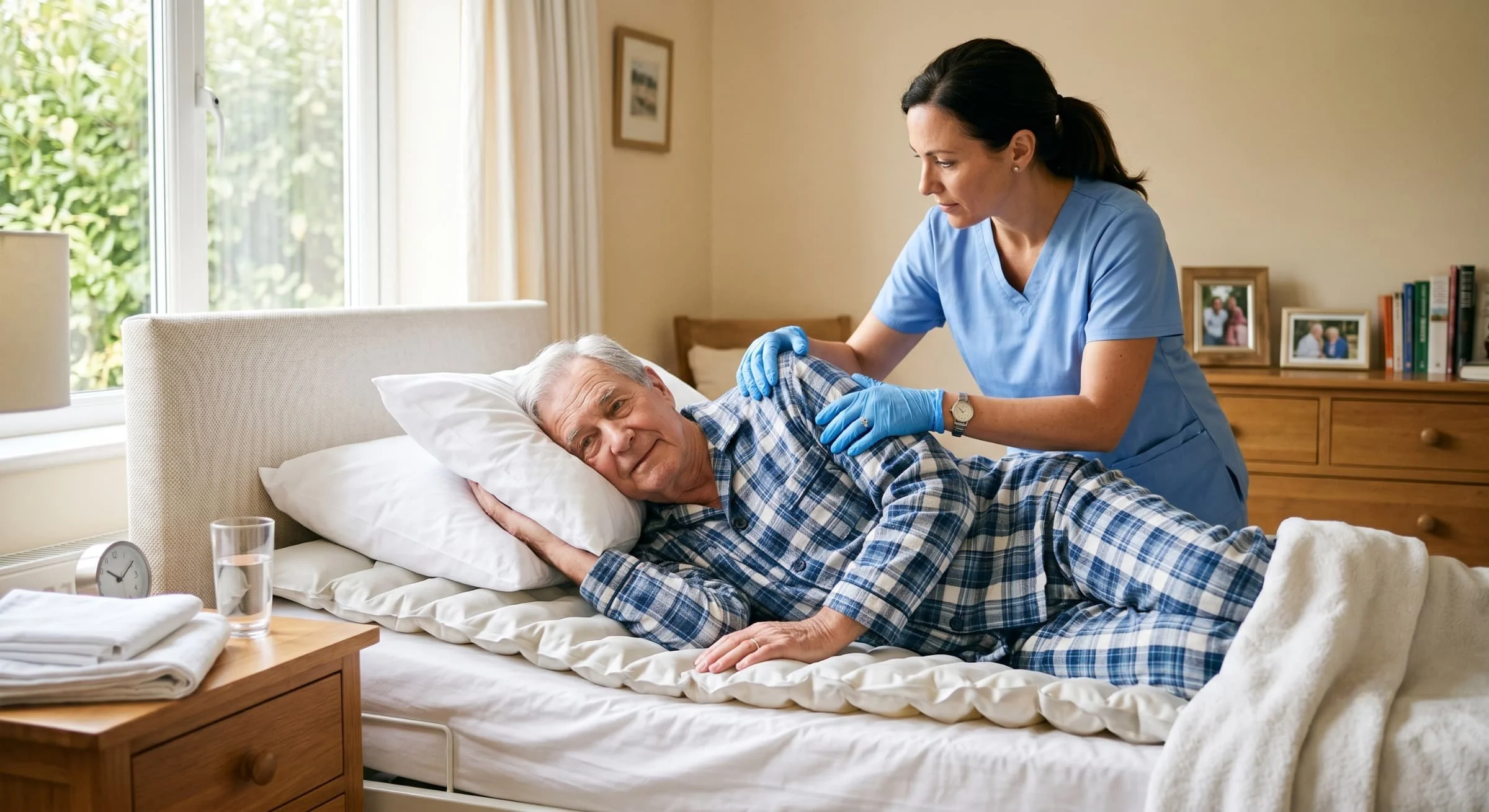
Skin Integrity Checks: Identifying early signs of pressure sores or circulation issues.
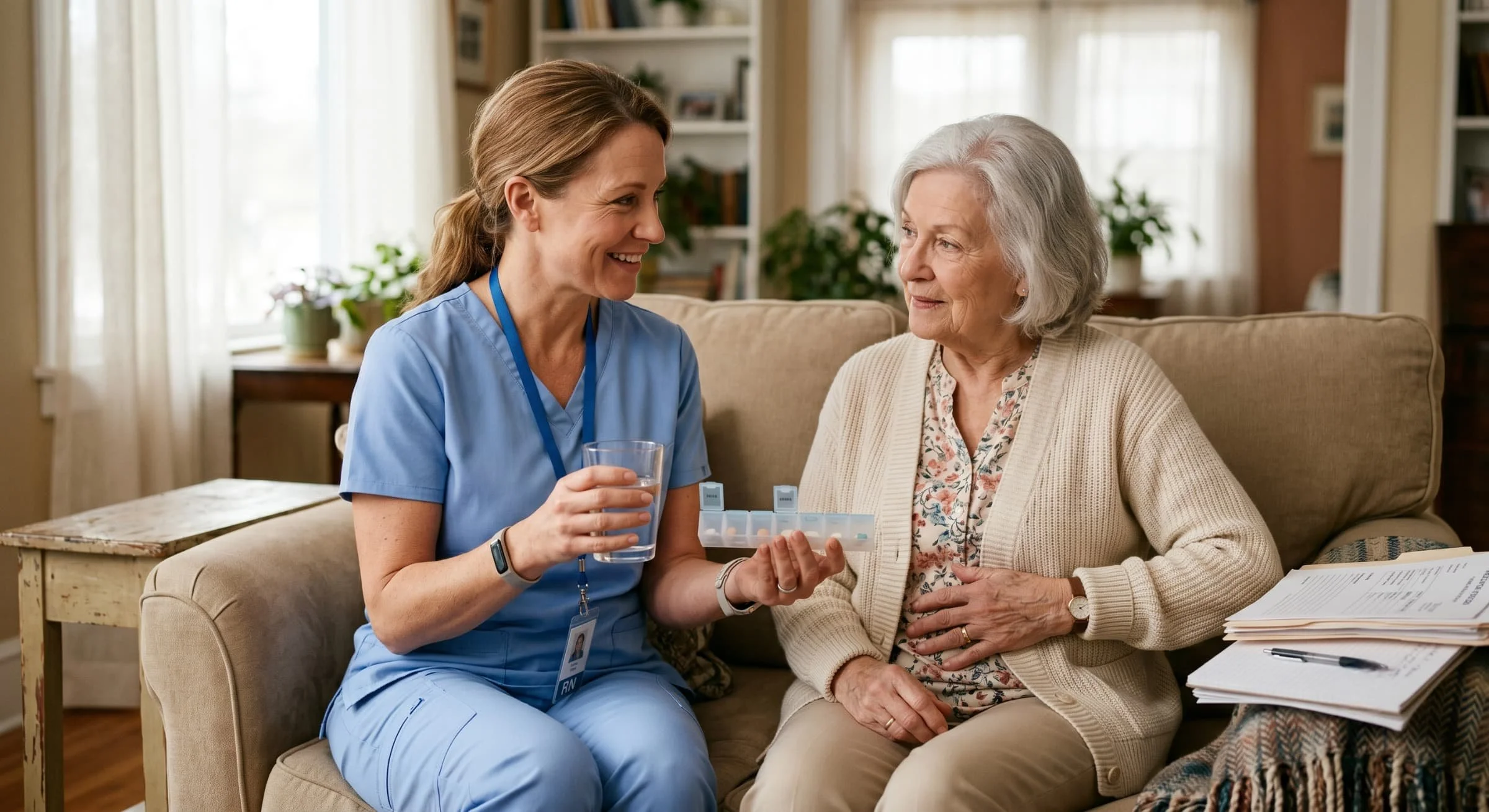
Medication Safety: Reviewing current prescriptions to ensure there are no adverse interactions.
Standard home visits typically include a review of vital signs. For a more streamlined experience, families can use platforms like Doctor2me to schedule these professional assessments at their convenience. This allows for the coordination of various medical professionals who specialize in geriatric health.
The Power of the Comprehensive Geriatric Assessment (CGA)
A Comprehensive Geriatric Assessment (CGA) is an evidence-based tool used to evaluate the physical, cognitive, and social needs of an older adult. Peer-reviewed research shows that patients who receive a comprehensive clinical review are more likely to stay in their own homes and experience better long-term health outcomes.
The Four Pillars of a CGA:
Physical Health: Evaluating chronic conditions, balance, and nutritional status.
Mental Health: Screening for cognitive changes, depression, or anxiety.
Functional Status: Observing how well the senior manages daily tasks like dressing or bathing.
Environmental Safety: Identifying hazards within the home that could lead to accidents.
Sensory health is another vital component of a CGA, as hearing loss can lead to social isolation. During a home exam, a clinician might identify a need for specialized auditory support. In such cases, families might consult with specialists to explore options for improving communication and environmental awareness.
How Nurse Visits for Elderly Patients Improve Daily Life
Regular nurse visits for elderly patients provide a level of continuity that is often missing in traditional outpatient settings. Registered Nurses (RNs) and Nurse Practitioners (NPs) act as the primary point of contact for the family and the patient. Recent healthcare workforce data highlights the critical role of these advanced practitioners in managing patient health outside of institutional walls.
Value of Professional Nursing at Home:
Expert Education: Nurses teach families how to manage specific health conditions effectively.
Consistency: Having the same professional visit regularly helps in building deep trust.
Advocacy: Nurses help communicate the patient’s needs to the broader clinical team.
Preventive Care: Administering routine screenings and monitoring for signs of functional decline.
NPs are increasingly taking on primary care roles in home-based settings. Their ability to diagnose conditions and order tests makes them an essential part of the care team. This high-level clinical oversight is a cornerstone of effective at-home care for elderly women.
| Service Category | Core Tasks and Procedures | Primary Clinical Objective |
| Diagnostic Assessments | Vital sign monitoring, blood draws, and physical exams | Early detection of health changes and baseline tracking |
| Preventive Screenings | Cognitive testing, mobility checks, and sensory reviews | Maintaining independence and preventing functional decline |
| Environment Evaluation | Fall risk assessments and lighting inspections | Maximizing home safety and reducing injury risks |
Enhancing Safety with Home Medical Assistance
Fall prevention is a critical aspect of in-home health care because balance issues are a leading cause of injury among seniors. The STEADI initiative provides clinicians with a framework for identifying fall risks and implementing preventive measures.
Critical Fall Prevention Strategies:
Exercise Programs: Focusing on leg strength and balance training.
Vision Correction: Ensuring prescriptions are up to date to prevent missteps.
Proper Footwear: Moving away from slippers to supportive, non-slip shoes.
Home Modifications: Installing grab bars and improving lighting in high-traffic areas.
Foot health plays a significant role in maintaining stability. During a routine check, a clinician may notice issues that require the attention of a specialist. Families can choose to work with independent professionals, to address specific podiatric needs that affect mobility and balance. Beyond clinical checks, modifying the home environment is essential for long-term safety.
Planning and Coordinating Senior Home Health Care Services
Choosing the right senior home health care services requires a clear understanding of the difference between medical and non-medical support. While medical teams focus on clinical health, many seniors also benefit from help with daily tasks.
Common Non-Medical Support Tasks:
Meal Preparation: Ensuring the senior has access to healthy, cooked meals.
Light Housekeeping: Keeping the living environment clean and free of clutter.
Companionship: Reducing feelings of loneliness through social interaction.
Personal Care: Assisting with grooming, bathing, and dressing.
When the medical team identifies a need for additional help with household management, families often look for reliable support and this allows the medical staff to focus strictly on clinical interventions and health monitoring. Staying organized with a central log of all home visits assists family members in tracking progress.
Managing Logistics for Visiting Home Health Care
Even when the focus is on visiting home health care, there are times when a senior needs to leave the house for social or community events. Managing these transitions safely is a logistical challenge for many families. Medical clinics typically do not provide transportation for personal appointments or family gatherings.
Challenges of Senior Transportation:
Mobility Equipment: Ensuring vehicles can accommodate walkers or wheelchairs.
Door-to-Door Service: Providing assistance from the living room to the vehicle.
Reliability: Minimizing wait times to reduce fatigue for the senior.
Safety Training: Using drivers who understand the unique needs of older adults.
For events like a Mother’s Day brunch in a city like Scottsdale or Pasadena, specialized transit may be necessary. Families can independently arrange for reliable transportation through services which specializes in assisted travel for seniors. This ensures the mother arrives at her destination safely and comfortably without the risks associated with standard ride-sharing.
Essential Safety Checklist for a Senior-Friendly Home
Before your mother’s next home visit, it is helpful to perform a quick walkthrough of the property. Simple environmental changes can significantly improve the efficacy of home healthcare for seniors.
The Safety Walkthrough Checklist:
Lighting: Are all hallways and stairwells brightly lit?
Flooring: Have all loose throw rugs and electrical cords been secured or removed?
Bathroom: Are there non-slip mats in the shower and near the sink?
Accessibility: Are frequently used items kept on lower shelves to prevent reaching?
Emergency: Is there a clear, easy-to-read list of emergency contacts near the phone
Conclusion: A Strategic Gift for Long-Term Wellness
Providing home healthcare for seniors is a meaningful way to honor a mother’s desire for independence and comfort. By organizing professional visits, families replace uncertainty with a structured plan for health and safety. This approach prioritizes prevention and high-quality clinical care in the place where it matters most.
Starting this process on Mother’s Day sets a positive tone for the year ahead. It demonstrates a commitment to her well-being that goes far beyond traditional gifts. With the right team and proper planning, aging in place becomes a safe, joyful, and dignified experience for the entire family.
FAQ
1. What are the signs that my mother needs home medical assistance?
Look for changes in mobility, frequent forgetfulness, or a sudden loss of appetite. If she is struggling to manage her daily routine or has experienced a recent fall, it is time to consider professional home health visits.
2. Is home healthcare as effective as clinic-based care?
Yes, for many chronic conditions and preventive checks, the home setting is actually preferred. It allows clinicians to see the patient in their natural environment, providing insights that are not available in a sterile clinic.
3. How do we prepare the home for a medical visit?
Ensure there is a well-lit area with a comfortable chair for the exam. Have a list of current health concerns ready for the clinician to review. Clear any clutter from walkways to ensure the medical team can move easily through the house.
4. What is the difference between home health care and home care?
Home health care is clinical and involves licensed professionals like nurses or therapists managing medical conditions. In contrast, home care focuses on non-medical support, such as help with cooking, cleaning, and personal hygiene.
5. Can home medical visits handle urgent, non-emergency situations?
Many providers are equipped to handle urgent needs that do not require an ER visit, such as minor infections or sudden fluctuations in vitals. However, for life-threatening situations like chest pain or severe difficulty breathing, you should always contact emergency services immediately.
You May Also Like