Norovirus: How to Recognize and Treat the Stomach Bug at Home
Table of Contents
It often begins with a sudden, unsettling wave of nausea. Within hours, a quiet evening can turn into a medical crisis as the hallmark symptoms of a "stomach bug" take hold. While many people colloquially call this the "stomach flu," medical professionals identify the true culprit as norovirus.
As we navigate the 2026 season, health data shows that norovirus cases are surging, putting a strain on households across the country. This virus is the leading cause of acute epidemic gastroenteritis worldwide. Because it requires an incredibly small infectious dose to cause illness, understanding norovirus symptoms and knowing how to manage the recovery process at home is your first line of defense.
Common Norovirus Symptoms: What to Look For
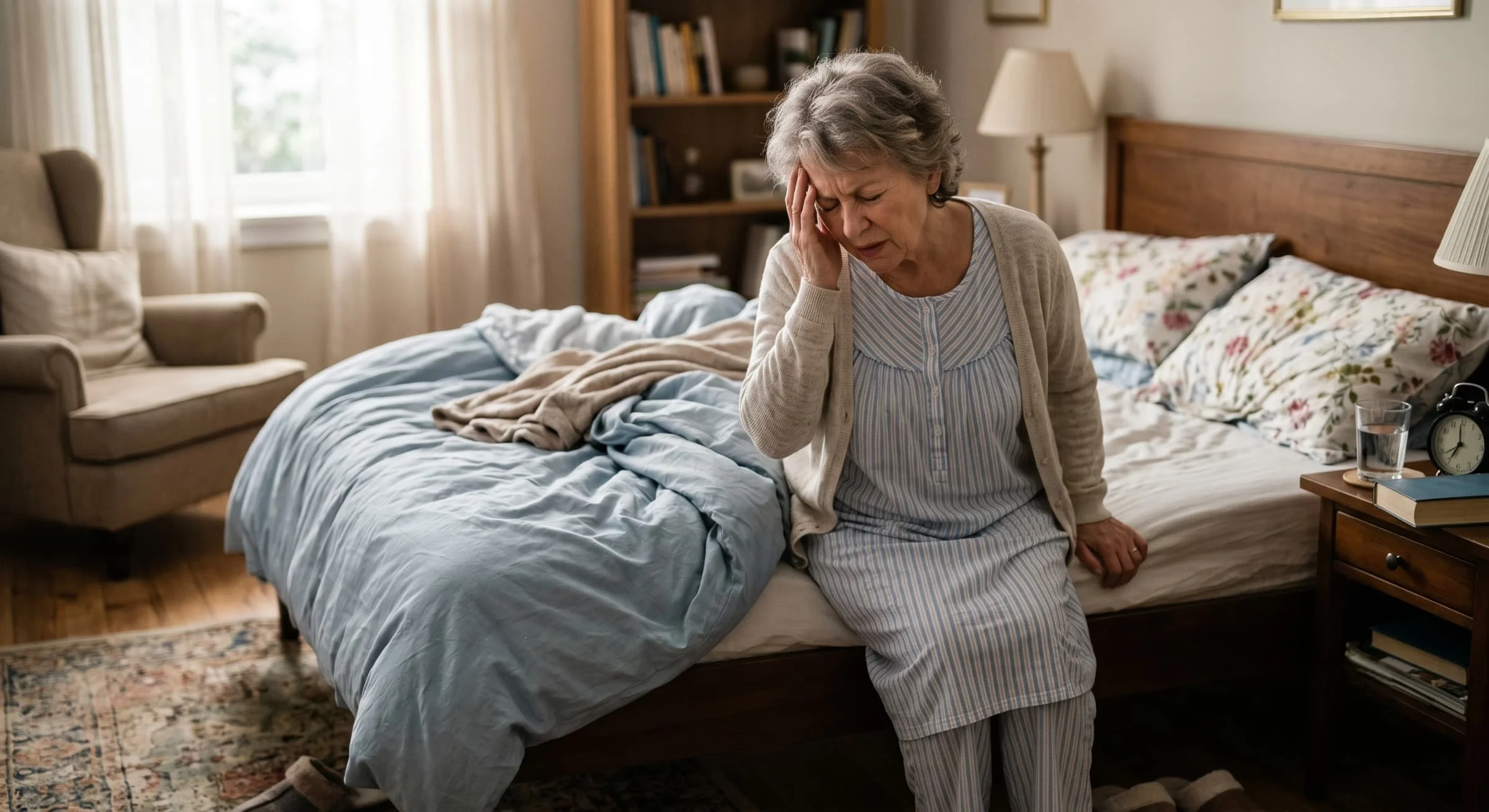
The onset of this illness is notoriously rapid. Typically, a person develops visible signs between 12 and 48 hours after exposure. The virus causes acute inflammation of the stomach and intestinal lining, leading to a cascade of physical reactions.
When assessing a family member, look for these primary stomach bug symptoms and gastroenteritis symptoms:
Sudden, Intense Nausea: Often the very first warning sign that something is wrong.
Projectile Vomiting: This is particularly common in children and can lead to rapid fluid loss.
Watery, Non-bloody Diarrhea: A frequent symptom that persists for 24 to 72 hours.
Abdominal Cramping: Severe "knotted" sensations in the stomach area.
Systemic Issues: A low-grade fever, chills, and significant muscle aches.
While most individuals see an improvement within one to three days, navigating norovirus requires careful monitoring during the first 24 hours of acute illness to prevent complications.
Recognizing Dehydration Symptoms
The primary danger of a norovirus infection isn't the virus itself, but the resulting depletion of fluids and electrolytes. When the body loses more liquid than it can retain, the risk of clinical dehydration rises sharply. It is vital to monitor for dehydration symptoms, especially in young children and seniors, who have lower fluid reserves.
Research shows that dehydration is the leading reason for hospitalization during outbreaks. Watch for these critical red flags:
Reduced Urinary Output: Dark colored urine or going more than 8 hours without urinating.
Xerostomia: A dry, "sticky" feeling in the mouth and parched lips.
Orthostatic Dizziness: A feeling of lightheadedness or fainting when standing up.
Physical Markers: Sunken eyes and skin that doesn't "snap back" when pinched.
Neurological Changes: Extreme lethargy or irritability, particularly in toddlers.
If you find that you or a loved one cannot keep any fluids down for an extended period, connecting with a professional through Doctor2me can help you receive a medical assessment and a personalized rehydration plan without the stress of leaving your home.
Norovirus vs. Food Poisoning: Telling the Difference
"Did I eat something bad, or is this a virus?" This is the most common question patients ask. Understanding the difference between food poisoning and stomach flu (norovirus) is essential for preventing further spread in your community.
While food poisoning is caused by consuming toxins or bacteria (like Salmonella) in contaminated food, norovirus is a highly resilient virus. Norovirus can be transmitted through food, but it is just as likely to spread via contaminated surfaces or person-to-person contact.
| Feature | Norovirus (Stomach Bug) | Bacterial Food Poisoning |
| Onset | 12–48 hours after exposure | Often 1–6 hours after eating |
| Recovery | Usually 1–3 days | Can last up to a week |
| Contagion | Extremely high (viral) | Low (bacterial) |
| Symptoms | Projectile vomiting is common | Often involves high fever/bloody stool |
If you are unsure of the cause, diagnostic tools provided by Sonic Diagnostic Laboratory – available through the Doctor2me network–can provide definitive answers through stool analysis and specialized testing.
Effective Norovirus Treatment at Home
Currently, there is no antiviral medication that specifically "kills" the virus. Therefore, norovirus treatment focuses entirely on supportive care: managing symptoms and keeping the body hydrated while the immune system clears the infection.
What to Eat and Drink During Recovery
When nausea is at its peak, the digestive system needs a "reset." Once vomiting has subsided for at least two hours, you can begin the reintroduction of fluids. For stomach flu, what to eat and drink, expert clinical guidelines recommend a staged approach:
The "Micro-Sip" Method: Take one teaspoon of fluid every 5–10 minutes. Large gulps can trigger a gag reflex.
Oral Rehydration Solutions (ORS): These are far more effective than plain water because they contain the precise ratio of glucose and electrolytes needed for cellular absorption.
Clear Broths: Chicken or vegetable broths provide sodium to help retain water.
The BRAT Diet: Once the appetite returns, stick to Bananas, Rice, Applesauce, and Toast. These low-residue foods are gentle on the intestinal lining.
Probiotic Support: A study found that certain probiotics can help stabilize the gut microbiome and potentially shorten the duration of diarrheal episodes.
Is There a Specific Stomach Bug Medicine?
While there is no "cure," some stomach flu treatment options involve managing the severity of the symptoms. Over-the-counter stomach bug medicine like anti-diarrheals (loperamide) may be used by adults, but Mayo Clinic specialists warn that these should be used sparingly, as the body uses diarrhea to flush the virus out. For severe nausea, a physician via Doctor2me might recommend specific antiemetics to help you stay hydrated.
Why Norovirus is Highly Contagious
The resilience of this pathogen is remarkable. Norovirus is contagious from the very first moment you feel ill and can remain in your system and be shed in your stool for two weeks or more after you feel completely better.
Furthermore, the virus is resistant to many common household cleaners. A study found that standard alcohol-based hand sanitizers are often ineffective at neutralizing norovirus. Handwashing with soap and running water for at least 20 seconds remains the gold standard for prevention.
To stop the spread:
Disinfect Surfaces: Use a bleach-based solution (5–25 tablespoons of household bleach per gallon of water) on doorknobs and counters. Step-by-step cleanup is vital for high-touch areas.
High-Heat Laundry: Wash any contaminated clothing or linens on the hottest possible setting, as per USDA recommendations.
Strict Isolation: The infected person should not prepare food for others for at least 3 days after symptoms disappear.
Professional Support for Home Recovery
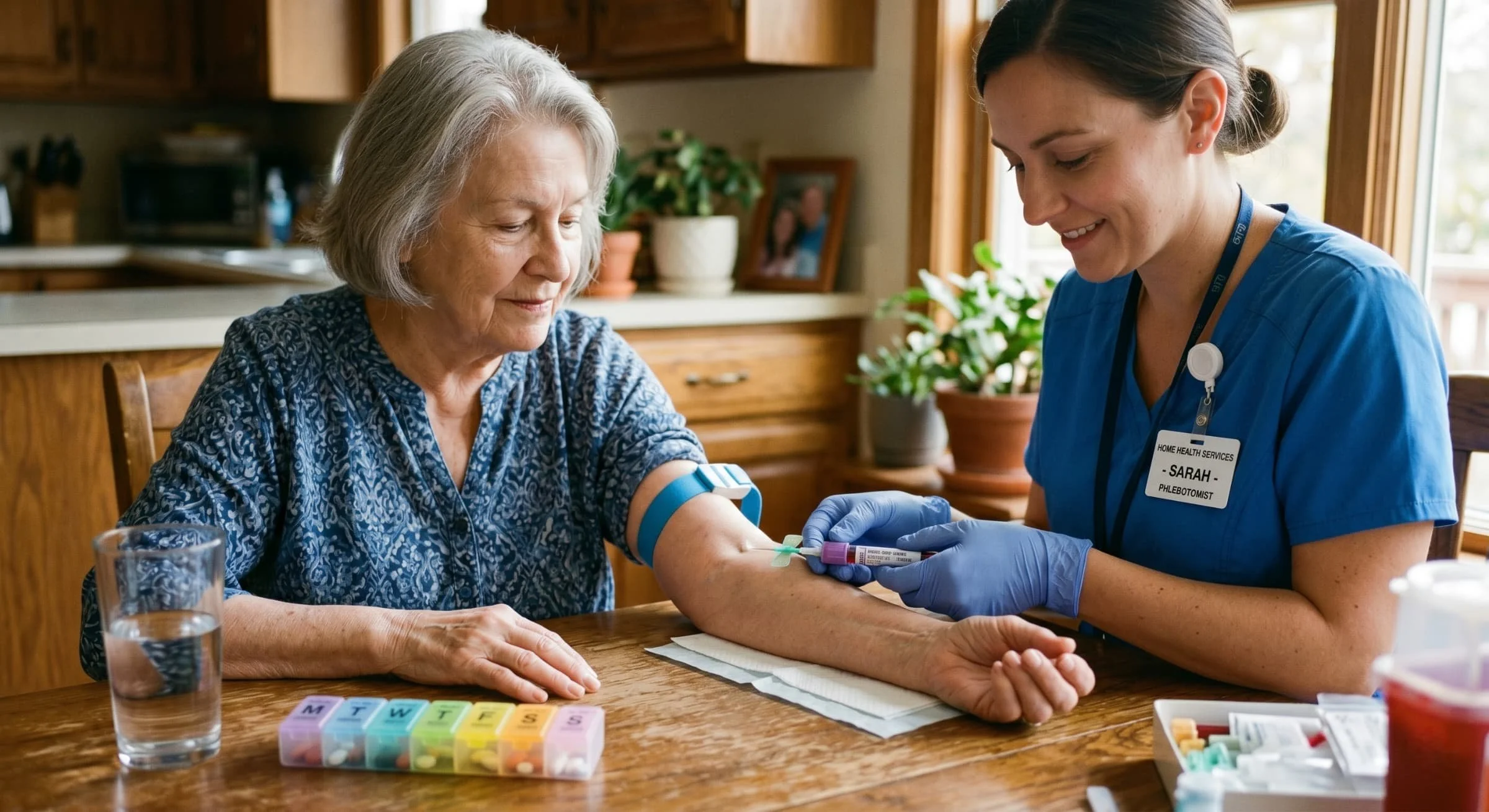
Managing a severe viral illness can be physically and emotionally draining, especially for those living alone or caring for seniors. This is where the Doctor2me platform becomes an essential resource. By providing access to concierge doctors who can consult with you virtually or in-person, you receive expert guidance on stomach flu treatment without the risk of exposing others at a clinic.
If your recovery requires more hands-on assistance, such as help with hygiene, monitoring vitals, or maintaining a clean environment, 911 AM PM Home Health Care provides the professional support needed to recover safely at home. Between the diagnostics from Sonic Diagnostic Laboratory and the medical oversight of Doctor2me, you have a comprehensive team ready to help you overcome the "stomach bug" and get back on your feet.
FAQ
How long does norovirus last?
The acute phase of vomiting and diarrhea usually lasts 24 to 72 hours. However, fatigue and digestive sensitivity can linger for up to a week as the gut lining heals.
Does hand sanitizer kill norovirus?
In many cases, no. Research suggests that alcohol-based sanitizers do not effectively break down the virus's protein shell. Vigorous handwashing with soap and water is necessary to physically remove the virus.
Can I get norovirus from my pet?
Current CDC surveillance indicates that human noroviruses do not typically spread between people and common household pets like dogs or cats. However, pets can carry the virus on their fur if an infected person touches them.
When is it safe to cook for others again?
You should wait at least 48 to 72 hours after your last symptom (vomiting or diarrhea) before preparing food for others. The virus is shed in high amounts in stool even after you feel better.
Is there a vaccine for norovirus?
As of 2026, norovirus vaccines are in advanced clinical stages. While not yet part of the standard vaccine schedule, they represent a significant step in preventing future outbreaks in high-risk settings.
Can I catch norovirus more than once?
Yes. There are many different strains of norovirus. Catching one strain provides only short-term immunity and does not protect you against other types of the virus.
Is lemon juice effective against norovirus?
Some laboratory studies have shown that the citric acid in lemon juice can reduce the infectivity of norovirus surrogates, but it should not be relied upon as a primary disinfectant or treatment.
When should I seek emergency medical help?
Consult a doctor via Doctor2me immediately if you experience bloody stools, a fever over 102°F, persistent vomiting that prevents fluid intake for 24 hours, or signs of severe dehydration such as confusion or fainting.
You May Also Like