Kitchen Safety Guide: Reclaiming Your Independence After an Injury
Table of Contents
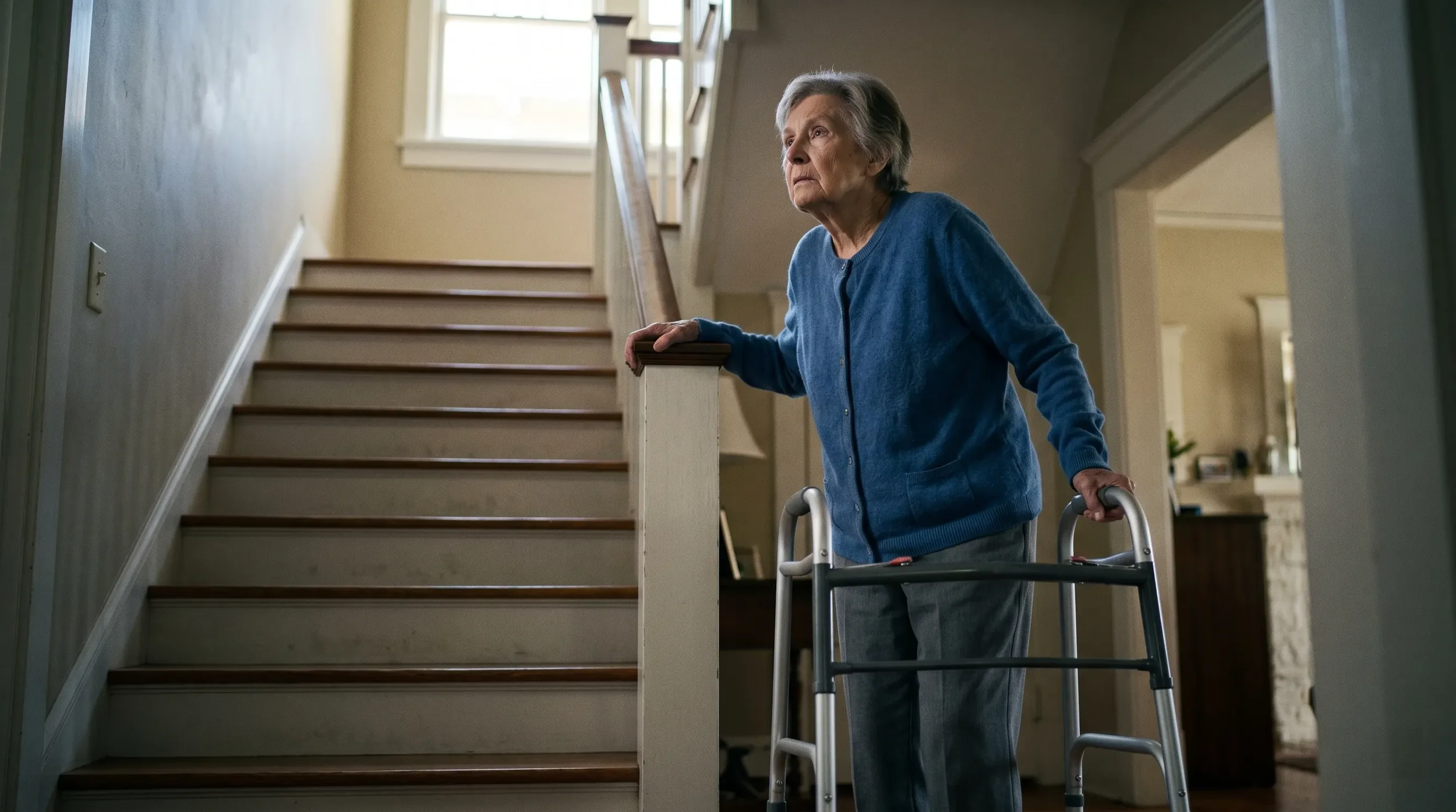
The kitchen is often called the heart of the home, but for someone recovering from a surgical procedure, a fracture, or a neurological event, it can suddenly feel like a landscape of risks. The transition from a clinical environment back to the "real world" of meal preparation is a critical milestone in recovery. However, understanding the importance of kitchen safety is the first step in ensuring that this transition does not lead to a setback.
Regaining independence requires more than just willpower; it necessitates a strategic overhaul of your environment and habits. Whether you are dealing with limited mobility, reduced grip strength, or balance issues, creating a safe, accessible cooking space is essential for both your physical health and your mental well-being. For many patients, the ability to make a simple cup of tea or a light meal is the first major victory in a long rehabilitation journey.
Identifying Common Safety Hazards in the Kitchen for the Injured
Before you even turn on the stove, you must conduct a thorough audit of your environment. For a healthy individual, a small spill or a high shelf is a minor inconvenience. For a patient in recovery, these represent significant safety hazards in the kitchen. The domestic environment is rarely designed with post-operative or rehabilitative needs in mind, which is why identifying kitchen hazards early is vital for safety at home.
Recent clinical data from the Centers for Disease Control and Prevention (CDC) indicates that the kitchen remains one of the most frequent sites for home accidents in the United States. When you are injured, your reaction time may be slower, and your stability may be compromised, making common issues like wet floors or heavy pans much more dangerous.
Why Your Risk Profile Changes During Recovery
When recovering from an injury, your "margin for error" shrinks significantly. A slight loss of balance that you would normally correct in a split second can turn into a traumatic fall if your core strength is diminished. Furthermore, certain medications-prescribed for pain or inflammation-can sometimes affect depth perception, cognitive focus, or coordination. This makes tasks like pouring hot liquids or using sharp utensils particularly risky. Recognizing these shifts is the cornerstone of preventing slips and falls in the kitchen.
Mapping Potential "Red Zones"
Floor Surfaces: High-traffic areas between the sink, fridge, and stove where water or grease frequently drops.
Storage Heights: Reaching for heavy items on high shelves can shift your center of gravity, leading to a fall.
Poor Lighting: Shadowy corners can hide slips and trips waiting to happen, such as a rogue piece of onion or a stray rug corner.
Appliances: Heavy refrigerator doors or low-mounted ovens that require deep bending can strain healing tissues.
Essential Kitchen Safety Equipment and Adaptive Tools
Adapting your kitchen does not mean a full-scale architectural renovation. Often, the right kitchen safety equipment can bridge the gap between disability and capability. Modern adaptive tools are designed to reduce the physical load on your joints and compensate for limited dexterity.
When looking for specific items like reachers, specialized stools, or ergonomic grips, sourcing from a reliable provider like Medlife Medical Supply, Inc ensures you are getting clinical-grade equipment that meets rigorous safety standards. Their extensive catalog of kitchen safety items is specifically curated to help patients maintain autonomy without sacrificing safety. Using high-quality medical supplies ensures that the tools themselves do not become a secondary hazard due to mechanical failure.
Traditional vs. Adaptive Kitchen Tools
| Task | Traditional Tool | Adaptive Alternative | Safety Benefit |
| Chopping | Standard Chef's Knife | Rocker Knife or T-Handle Knife | Reduces wrist strain; allows one-handed use |
| Opening Jars | Manual Grip | Automatic Jar Opener | Eliminates the need for high-torque gripping |
| Peeling | Thin-handled Peeler | Large-grip Y-Peeler | Provides better control and prevents slips |
| Stabilizing | Standard Countertop | Dycem Non-slip Matting | Prevents bowls and plates from sliding |
| Seating | Standing | Adjustable Perching Stool | Minimizes fatigue and prevents balance loss |
| Reaching | Step Ladder | Long-reach Grabber | Prevents overextension and falls |
Safe Knife Handling and Preparation Items for Limited Mobility
For many, the most intimidating part of returning to the kitchen is using sharp tools. Safe knife handling is a skill that must be re-learned after a hand, wrist, or arm injury. If you have lost the use of one hand or have a weakened grip due to a condition like carpal tunnel or a recent fracture, traditional cutting methods are not only difficult but dangerous.
The goal is to minimize the force required to cut and to maximize the stability of the food item. Adaptive cutting boards, which feature stainless steel spikes to hold food in place and "corner guards" to prevent bread from sliding, are game-changers for one-handed prep. Using a rocker knife allows you to cut with a simple downward pressure and a rocking motion, which is much easier on the shoulder and elbow than the traditional slicing motion used by chefs. This approach significantly reduces the risk of the blade slipping and causing a laceration.
Preventing Burns in the Kitchen: Heat and Fire Safety
Preventing burns in the kitchen is a high priority, especially for those with sensory issues or slower physical movements. A common injury during recovery occurs when a patient tries to carry a heavy pot of boiling water from the stove to the sink. The weight of the water, combined with the steam and the heat, can easily lead to a drop and a severe scald.
Modern Solutions for Heat Safety
Induction Cooktops: These stay cool to the touch, drastically reducing the risk of accidental burns from touching the surface. They only heat the cookware, not the air or the stovetop.
Kettle Tippers: Instead of lifting a heavy kettle, these frames allow you to pour hot water by simply tilting the device with a finger.
Heat-Resistant Silicone Gloves: Standard cloth potholders can be clumsy and slippery. High-dexterity, heat-resistant silicone gloves provide a much firmer grip on hot items and protect the entire hand and wrist.
Pot Fillers: A swing-out faucet installed over the stove eliminates the need to carry heavy pots of water from the sink.
By focusing on these ergonomic adjustments, you are applying the principles of safety at home to every meal you prepare, ensuring that heat remains a tool for cooking rather than a source of injury.
Preventing Slips and Falls in the Kitchen: Structural Changes
Statistics from the National Institute on Aging (NIH) highlight that falls are the leading cause of injury among adults in rehabilitation. In a kitchen setting, slips and trips are frequently caused by environmental factors that are easily corrected with professional insight.
To truly secure your space, it is often beneficial to have a comprehensive professional assessment. Experts like those at Call Before You Fall specialize in home modifications that specifically target high-risk areas. They can help identify where grab bars are needed or where flooring might need to be treated with non-slip coatings to ensure that preventing slips and falls in the kitchen is a permanent part of your home's design. Their expertise in residential accessibility helps bridge the gap between a standard house and a safe recovery environment.
Quick Fixes for Fall Prevention
Remove Throw Rugs: These are the primary cause of trips in the kitchen. Even "non-slip" rugs can have edges that catch on a walker or a cane.
The "Work Triangle" Optimization: Keep your most-used items (like a favorite pan or coffee mug) between waist and shoulder height.
High-Lumen Illumination: Replace standard bulbs with high-lumen LEDs, especially under-cabinet lighting for food prep areas where shadows can hide spills.
Clear Walkways: Ensure that trash cans, pet bowls, and decorative items are moved out of the main path between appliances.
Biomechanics and Ergonomics: The Role of Rehabilitation
Recovering your kitchen skills is a form of physical therapy in itself. Understanding the biomechanics of how you move-how you pivot, reach, and lift-is essential to avoid re-injury. This is where professional guidance becomes invaluable for joint protection.
Engaging with a specialized team like FUNCtherapy allows you to practice these activities in a controlled, therapeutic environment. Their specialists can teach you how to "pivot" rather than "twist" your torso and how to use joint protection techniques recommended by experts to perform tasks that used to rely on small, injured joints. This professional insight ensures that you are not just "getting by," but actually improving your functional capacity through every meal you prepare.
The Digital Sous-Chef: Leveraging Smart Technology for Cognitive Safety
Recovering from a traumatic brain injury (TBI), stroke, or even the "brain fog" often associated with heavy post-surgical medication involves more than just physical rehabilitation. Cognitive fatigue is a major, yet often overlooked, contributor to kitchen hazards. When the brain is exhausted, it becomes much easier to skip a safety step, forget a burner is on, or lose track of a sharp utensil.
In 2026, the integration of AI-driven home systems—often referred to as Ambient Assistive Technology—has revolutionized how patients manage these complex tasks. These systems act as a "digital sous-chef," providing a cognitive safety net that allows for greater independence.
Voice-Activated Assistance and Hands-Free Control
Hands-free control is a vital component of safety at home. Modern voice assistants allow users to set multiple timers, convert measurements, or have recipes read aloud without ever needing to touch a screen or dial with unsteady hands. This significantly reduces the cognitive load and prevents the physical frustration that often leads to rushed, unsafe movements. For someone with limited mobility, being able to turn off a smart kettle or adjust kitchen lighting via voice command is not just a convenience—it is a critical tool for preventing slips and falls in the kitchen.
Smart Appliance Integration and Automated Safeguards
Modern "connected" kitchens now feature ovens and cooktops with integrated infrared sensors that can detect if a burner has been left unattended or if a pot is beginning to boil over. These systems provide automated shut-off capabilities, which is a foundational feature for preventing burns in the kitchen and domestic fires. By offloading these constant safety checks to smart technology, the patient can focus entirely on the physical mechanics of food preparation and joint protection.
Ambient Lighting and Motion Sensors
Simple AI-integrated motion sensors can ensure that a kitchen is never dark when a patient enters. Automated lighting transitions are an effective way of reducing slips and trips, as they eliminate the need to fumble for switches while balancing a cane or walker. These subtle technological layers reinforce the importance of kitchen safety by ensuring the environment proactively responds to the user's presence.
Stress-Free Recovery
The road to recovery is rarely a straight line. There will be days when the pain flares up or when the exhaustion of managing your own care feels overwhelming. On those days, the last thing you should do is push yourself into a hazardous situation in the kitchen just to maintain a sense of normalcy.
If you find that your mobility is decreasing or you have concerns about how your injury is healing, you don't necessarily need to brave the traffic and the waiting rooms of a clinic in Pasadena or Los Angeles. Doctor2me offers a seamless solution by bringing expert medical care directly to your home. Having a physician visit you in your own environment allows them to see the physical challenges you face-like a high kitchen counter or structural layout issues-and provide tailored advice that a doctor in a distant office simply couldn't offer. This service significantly reduces the stress of recovery, allowing you to focus on your rehabilitation while knowing professional help is just a call away.
Future-Proofing Your Independence in the Kitchen
Safety in the kitchen is not a static goal but an evolving strategy that adapts to your recovery journey. By systematically identifying potential hazards and integrating the right adaptive tools, you transform a high-risk area into a supportive environment. True accessibility is about more than just tools-it is about reclaiming the confidence to care for yourself and your family.
As you progress through your rehabilitation, continue to prioritize ergonomics and environmental controls. By making safety an integral part of your daily routine, you ensure that your recovery remains on track and your kitchen remains a place of nourishment, creativity, and independence.
FAQ
What are the most common kitchen hazards for people recovering from an injury?
The most frequent risks include slippery floor surfaces, reaching for heavy items on high shelves, and poor lighting that hides potential trip hazards. Identifying these safety hazards in the kitchen early allows you to implement ergonomic changes that protect your healing body from re-injury.
How can I prevent slips and falls in the kitchen while using a walker or cane?
Start by removing all throw rugs and ensuring your walkways are clear of clutter to minimize the risk of slips and trips. Professional home modifications, such as installing non-slip flooring or strategic grab bars, provide a permanent solution for maintaining long-term safety at home.
What adaptive tools are best for safe knife handling with limited hand strength?
Rocker knives and T-handle knives are excellent kitchen safety items that allow for effective cutting with minimal wrist strain. Using an adaptive cutting board with stainless steel spikes to stabilize food ensures that one-handed preparation remains safe and efficient during your recovery.
What is the best way to prevent burns in the kitchen during post-surgical recovery?
Using a kettle tipper or a pot filler faucet eliminates the need to lift and carry heavy containers of boiling water, significantly preventing burns in the kitchen. Additionally, high-dexterity silicone gloves offer a much more secure grip than traditional cloth potholders when handling hot cookware.
Why is the importance of kitchen safety so high during the rehabilitation process?
Proper safety protocols prevent secondary injuries and accidental falls that could significantly reset your recovery timeline. By utilizing specialized kitchen safety equipment and ergonomic techniques, you can regain functional independence while keeping your physical strain to a minimum.
Can smart home technology help with cognitive fatigue in the kitchen?
Yes, voice-activated assistants and smart appliances with automated shut-off features provide a vital safety net for those experiencing "brain fog" or memory lapses. These ambient technologies manage the cognitive load of cooking, allowing you to focus entirely on the physical mechanics of safe food preparation.
You May Also Like