What Are The 7 Warning Signs Of Depression And Anxiety In Seniors?
The most common signs of depression in older adults include persistent apathy or "flatness," social withdrawal, unexplained physical pain, sudden irritability, changes in appetite or sleep, neglect of personal hygiene, and cognitive confusion. Unlike younger adults, seniors often do not report feeling "sad." Instead, they complain of fatigue or memory issues. Statistics show that about 14% of people at the age of 70 and over deal with mental health concerns, yet many remain undiagnosed because their symptoms are mistaken for "just getting old."
Why Mood Changes In Seniors Are Often Missed
I've noticed that families often wait too long to seek help because they expect their elderly loved ones to be a bit "grumpy" or tired. That is a mistake. Clinical depression is a biological condition involving neurotransmitter imbalances, not a personality trait of aging.
When an older adult loses interest in activities they used to love - like gardening or visiting grandchildren - it’s a major red flag. This isn't just "slowing down"; it’s a sign that the brain's reward system isn't functioning correctly. It’s frustrating to see how many seniors suffer in silence simply because they don't want to be a "burden" to their families.
The Link Between Physical Health And Anxiety In The Elderly
Anxiety in the elderly often looks like physical illness. A person might visit their doctor repeatedly for heart palpitations, digestive issues, or chronic back pain that has no clear medical cause. According to the Mayo Clinic, these somatic symptoms are frequent masks for emotional distress.
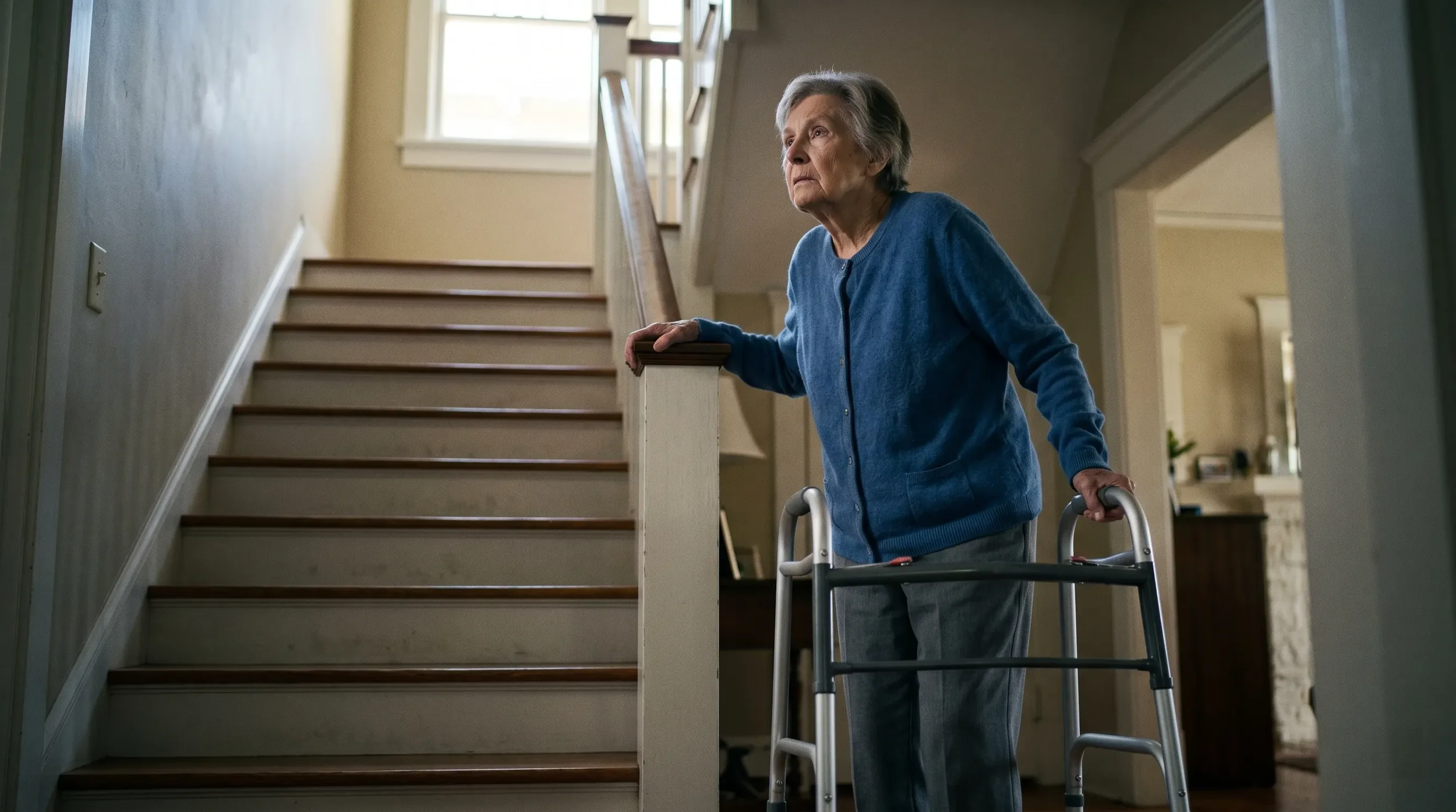
Physical safety is a huge part of the mental health puzzle. If a senior is constantly worried about falling, that anxiety can keep them housebound, which worsens depression. Using safety programs can alleviate some of that environmental stress, giving the person more confidence to move around and engage with the world.
Social Withdrawal And The Trap Of Old Age Loneliness
Loneliness isn't just a feeling; it’s a health risk on par with smoking. When someone starts avoiding phone calls or skipping family dinners, they are often caught in a loop of social withdrawal. The more they isolate, the harder it becomes to reach out.
Sometimes the barrier is physical. I’ve seen cases where a senior stops socializing simply because they can’t hear the conversation anymore. They feel embarrassed and eventually just stop trying. Helping them get fitted with high-quality devices, can be a turning point for their mental health. Being able to hear your grandchildren's voices again does more for a person's mood than almost any other intervention.
Identifying "Pseudodementia": Depression vs. Cognitive Decline
It is terrifying for a family when a loved one starts forgetting names or losing their keys. While dementia is a possibility, it’s important to check for depression first. "Pseudodementia" is a condition where the brain is so overwhelmed by depression that it stops processing information correctly.
Distinguishing between the two requires a professional. Organizations like Dementia Partner can help families navigate these confusing symptoms. The key difference? A depressed person is usually very distressed by their memory loss, whereas someone with early-stage Alzheimer's may try to hide it or remain unaware of the gaps.
Changes In Daily Routines And Personal Care
When a usually tidy person stops bathing or lets the mail pile up, they are struggling with executive function. Depression saps the literal physical energy needed to perform "Activities of Daily Living" (ADLs).
In these moments, yelling doesn't help. What helps is structure. Bringing in compassionate assistance from the professionals ensures that the house stays clean and meals are prepared, which removes the "shame" of a messy environment and lets the senior focus on their recovery.
Comparison: Is It Normal Aging Or Something More?
| Symptom | Normal Aging | Depression or Anxiety |
| Energy | Gradual decrease over years | Sudden, heavy fatigue that lasts weeks |
| Social Life | Preferring smaller groups | Total isolation/avoiding the phone |
| Memory | Occasional "tip of the tongue" | Significant confusion/distractibility |
| Mood | Reacts naturally to life events | Persistent "flatness" or irritability |
| Sleep | Slightly earlier bedtime | Waking at 3 AM or sleeping all day |
Finding The Right Therapy For Elderly Depression
The stigma of "shrinks" is still strong among the older generation. However, research published via the NIH proves that psychotherapy, especially Cognitive Behavioral Therapy (CBT), is incredibly effective for seniors. It helps them process the transitions of late life - retirement, grief, and physical changes - without feeling like they are "crazy."
Medication can help, but it’s rarely the whole answer. A combination of social support, physical safety, and talk therapy usually yields the best results. The goal isn't just to "survive" old age, but to actually enjoy it.
How To Help A Loved One Today
If you’re worried, don't wait for them to bring it up. They probably won't.
Listen more than you talk. Let them express their frustrations without trying to "fix" them immediately.
Schedule a check-up. Rule out thyroid issues or vitamin B12 deficiencies that can mimic mental health signs.
Address physical barriers. Fix the hearing, secure the rugs, and ensure they have a reliable way to get around.
Get Expert Help At Home
Driving to a clinic and sitting in a cold waiting room is enough to give anyone anxiety, let alone a senior who isn't feeling well. We believe healthcare should fit your life, not the other way around.
Doctor2me provides house calls that bring the doctor to your living room.
Stress-Free: No traffic or waiting rooms.
Personalized: House calls start at $350, allowing the provider to spend actual time with the patient in their own environment.
Fast: We can often get a provider to your door within 40 to 90 minutes.
Mental health support for the elderly shouldn't be a luxury - it's a necessity. By observing the small changes and taking action early, we can ensure our loved ones feel supported and valued through every stage of life.
Why Continuous Awareness Matters
While Mental Health Month brings these issues to the forefront, the reality is that mental wellness is a daily practice that requires year-round vigilance. Senior depression rarely resolves on its own, and the risks of ignoring the signs—such as increased physical frailty, social isolation, or cognitive decline—are too high to ignore. By remaining observant and acting on the subtle shifts in behavior, mood, or appetite mentioned above, you provide more than just medical support; you provide a sense of security and belonging.
Taking the first step toward intervention is often the hardest part for families, but it is also the most critical. Whether it involves upgrading technology to improve communication, securing the home environment, or bringing in professional medical expertise, the goal is always the same: to restore the quality of life that every older adult deserves. Mental health is health, and at this stage of life, it is perhaps the most important health metric of all.
FAQ
Is depression a normal part of growing older?
No, clinical depression is not a natural result of aging but a treatable medical condition. While major life transitions like retirement or loss are common, persistent feelings of worthlessness or a total loss of interest in hobbies require professional mental health support.
What are the most common physical signs of anxiety in seniors?
Anxiety in the elderly often manifests as somatic symptoms like heart palpitations, digestive distress, or unexplained chronic pain. Seniors may also experience restlessness, localized tension, or an overwhelming preoccupation with their physical safety and health.
How do I tell the difference between aging-related memory loss and depression?
Depression-related cognitive decline, often called pseudodementia, usually has a rapid onset where the individual is very distressed by their own forgetfulness. In contrast, early-stage dementia typically progresses slowly, and the person may be less aware of their cognitive gaps or try to hide them.
Can loneliness lead to clinical depression in older adults?
Yes, prolonged social isolation and old age loneliness are significant triggers for depressive episodes in the senior population. Chronic isolation creates a feedback loop that saps emotional energy, making it increasingly difficult for seniors to re-engage with their community without intervention.
What types of therapy are most effective for elderly depression?
Cognitive Behavioral Therapy (CBT) is highly effective for helping older adults manage the transitions of aging and late-life depression. This therapy focuses on changing negative thought patterns and encouraging social re-engagement to improve overall quality of life.
When should I seek professional help for a senior's mood changes?
You should consult a healthcare provider if mood changes, such as persistent irritability or apathy, last for more than two weeks and interfere with daily living. Early intervention is key to preventing secondary health issues like malnutrition or physical injury resulting from neglect.
You May Also Like