Living With Type 2 Diabetes: Blood Sugar Goals and Foot Care
Table of Content
Living well with type 2 diabetes comes down to two daily habits: keeping your blood sugar in a healthy range and protecting your feet. The CDC says a common target is 80 to 130 mg/dL before a meal and under 180 mg/dL two hours after. Good foot care each day lowers the risk of serious problems. Do these two things well, and you take a lot of the danger out of the disease.
This guide breaks down what your numbers should be, how to eat, and how to care for your feet, all in plain language. If you want a doctor to walk you through it at home, a house-call visit can make the whole plan easier to start.
Understanding Type 2 Diabetes
Diabetes is a condition where there is too much sugar in your blood. In type 2 diabetes, the body still makes insulin but cannot use it well, so sugar builds up instead of fueling your cells. Over time, high blood sugar can harm your heart, kidneys, eyes, nerves, and feet. The good news is that day-to-day choices have a big effect on how you feel.
How Type 2 Differs From Type 1 and Gestational Diabetes
It helps to know the differences. In type 1 diabetes, the body makes little or no insulin and people need insulin from the start; it often begins in childhood. Type 2 diabetes usually develops in adults and is tied to weight, activity, and family history, though more young people now have it too. Gestational diabetes shows up during pregnancy and usually goes away after birth, but it raises the chance of type 2 diabetes later. All three involve high blood sugar, but the cause and care are not the same.
Common Diabetes Symptoms to Watch For
Many people have high blood sugar for years without knowing it. Classic diabetes symptoms include feeling very thirsty, urinating often, being very hungry, losing weight without trying, feeling tired, having blurry vision, and noticing cuts that heal slowly. If you or a loved one notice these signs, it is worth getting checked. Catching diabetes early makes it far easier to manage.
Your Blood Sugar Goals
Knowing your target range turns blood sugar from a mystery into something you can steer. The CDC lists these typical blood sugar targets: 80 to 130 mg/dL before a meal, and less than 180 mg/dL two hours after the start of a meal. A reading below 70 mg/dL is low and needs quick treatment. Your own goals may be a little different based on your age and health, so confirm them with your care team.
Checking Your Blood Sugar at Home
You can check your blood sugar with a small meter (a glucometer) using a drop of blood from your fingertip, or with a continuous glucose monitor that reads your levels through a tiny sensor under the skin. Common times to check are first thing in the morning, before meals, two hours after meals, and at bedtime. Writing down your numbers helps you and your doctor see what raises or lowers them. This is the heart of good diabetes management.
Getting an A1C and Other Lab Tests
Besides daily checks, you need a diabetes test called the A1C a couple of times a year. It shows your average blood sugar over about three months. Getting to a lab can be hard for some people, so a home blood-draw service can help. A team like Sonic Diagnostic Laboratory can collect blood samples at home for lab work, which makes it easier to stay on top of your A1C and other results without a trip out.
Eating Well With Diabetes
Food has the biggest day-to-day effect on blood sugar, so a steady diabetes diet is one of your strongest tools. You do not need a fancy or joyless plan. The aim is balanced meals, eaten at regular times, that keep your levels even.
Building a Simple Plate
A helpful trick is the plate method. Fill half your plate with non-starchy vegetables like greens, broccoli, or peppers. Fill one quarter with lean protein such as chicken, fish, eggs, beans, or tofu. Fill the last quarter with a carbohydrate like brown rice, whole-grain bread, or fruit. Eat at regular times and try not to skip meals, since that can swing your blood sugar.
Carbs, Drinks, and Smart Swaps
Carbohydrates raise blood sugar more than protein or fat, so it helps to watch portions rather than cut carbs out completely. Choose water instead of juice or soda, pick fruit for a sweet treat, and go easy on foods high in added sugar and salt. Cutting back on heavily ultra-processed foods is one of the simplest swaps you can make for steadier numbers and better heart health.
Caring for Your Feet
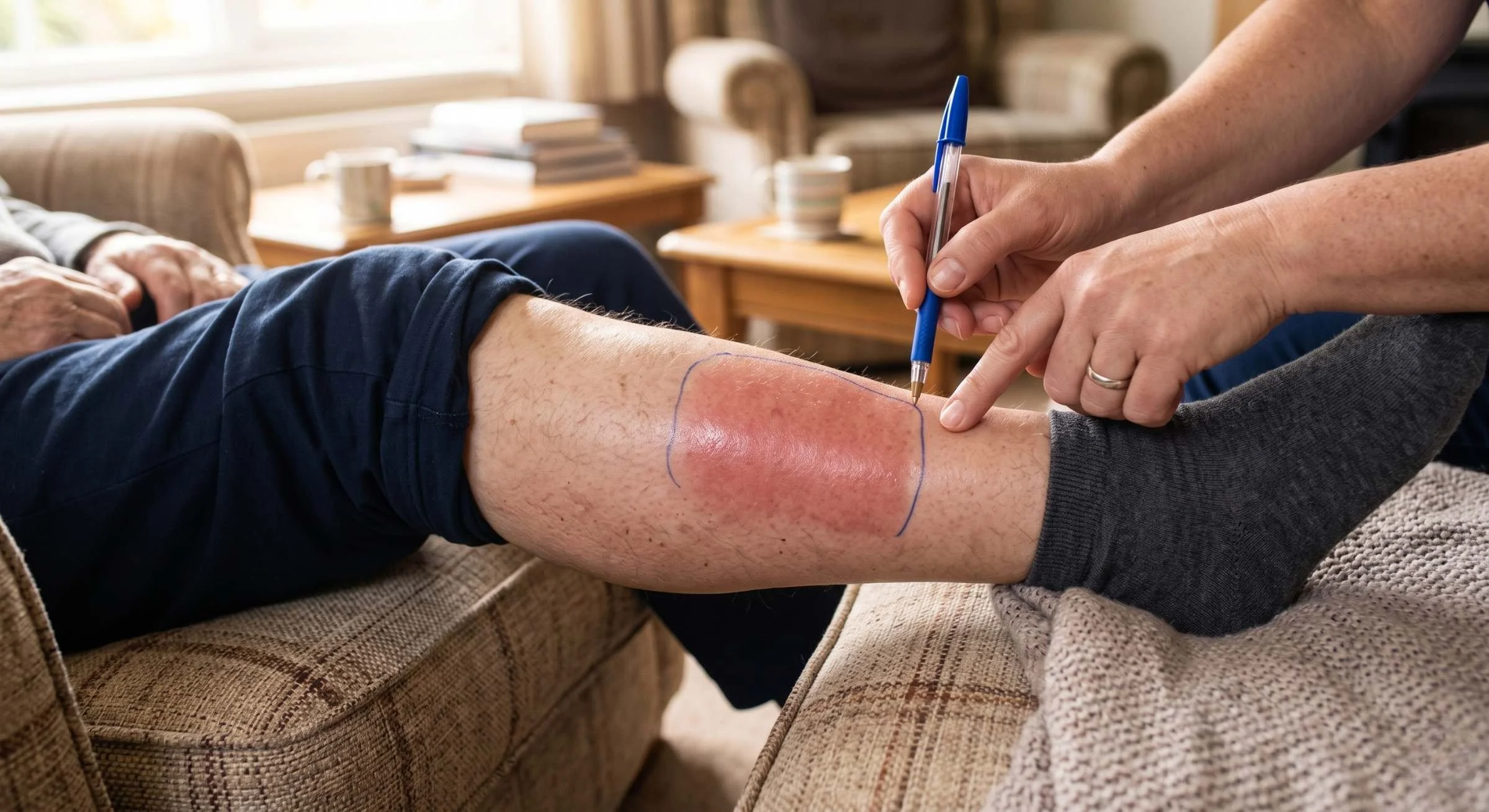
Foot care is the second pillar of living well with diabetes, and it is often overlooked. A small blister or cut can turn into a serious wound when diabetes is involved, so a few minutes of care each day pays off.
Why Diabetes Affects the Feet
High blood sugar over time can damage nerves and reduce blood flow, especially in the feet. The CDC notes that about half of people with diabetes have some nerve damage. When you lose feeling in your feet, you may not notice a pebble, blister, or cut, and poor blood flow makes those small problems slow to heal. That is how diabetes feet trouble starts, and why a diabetic foot needs daily attention.
A Daily Foot Care Routine
The CDC's foot care guidance is simple to follow at home:
Check your feet every day, including the soles and between the toes; use a mirror or ask for help if needed.
Wash your feet daily in warm, not hot, water and dry them well, especially between the toes.
Trim toenails straight across, and do not cut or use store-bought removers on corns and calluses.
Never go barefoot, even indoors, and check inside your shoes for pebbles before putting them on.
Keep blood flowing by putting your feet up, wiggling your toes, staying active, and not smoking.
When to See a Foot Doctor
Get your feet checked at every doctor visit and have a full foot exam at least once a year. See a provider right away for a cut or blister that will not heal, redness or warmth, or any black, smelly area. A foot doctor (podiatrist) such as Arkady Kaplansky, DPM treats heel and nail problems and other foot concerns that need expert care. For a deeper look at prevention, this diabetic foot care guide for seniors is a useful next read.
Everyday Diabetes Management and Your Health
Blood sugar, food, and foot care all come together in your daily routine. Strong diabetes management is not about being perfect; it is about steady, repeatable habits and a care team you trust.
Staying Active and Lowering Stress
Regular movement helps your body use insulin better and keeps blood sugar steadier. Walking, swimming, dancing, or biking are all easy on the feet. Sleep and stress matter too, since high stress can raise blood sugar. Protecting your overall health, including the link between sugar and brain health, is part of the bigger picture of living well with diabetes.
Working With Your Care Team
Diabetes treatment may include lifestyle changes alone or medication added to them, depending on your numbers and your doctor's advice. Regular checkups keep your plan on track. If getting to appointments is hard, you can choose a doctor and request a home visit with Doctor2me, so a clinician can review your blood sugar, check your feet, and adjust your plan right at home, with same-day visits and no waiting room. Managing type 2 diabetes is a long road, but with the right routine and support, it is one you can walk with confidence.
FAQ
What are the blood sugar goals for type 2 diabetes?
For many adults, the CDC lists a target of 80 to 130 mg/dL before a meal and less than 180 mg/dL two hours after eating. A reading under 70 mg/dL is low. Your own goals may differ by age and health, so confirm them with your care team.
What are the warning signs of high blood sugar?
Common diabetes symptoms include strong thirst, frequent urination, hunger, tiredness, blurry vision, slow-healing cuts, and unexplained weight loss. If these show up, it is worth getting a diabetes test to check.
How often should a person with type 2 diabetes check their blood sugar?
It depends on your plan, but typical times are when you wake up, before meals, two hours after meals, and at bedtime. People on insulin often check more often. Writing the numbers down helps you spot patterns.
How does diabetes affect the feet?
High blood sugar can damage nerves and slow blood flow, so a diabetic foot may not feel a cut or blister, and small wounds heal slowly. About half of people with diabetes have some nerve damage, which is why daily foot checks matter.
What should a daily diabetic foot care routine include?
Check your feet daily, wash and dry them well, trim nails straight across, never go barefoot, and keep blood flowing by staying active. See a foot doctor for any cut or sore that will not heal.
Can type 2 diabetes be managed at home?
Yes. Most diabetes management happens at home through blood sugar checks, a balanced diabetes diet, foot care, and activity. A house-call doctor can review your numbers and feet and adjust treatment without a clinic trip.
You May Also Like