
Astoria at Oakdale
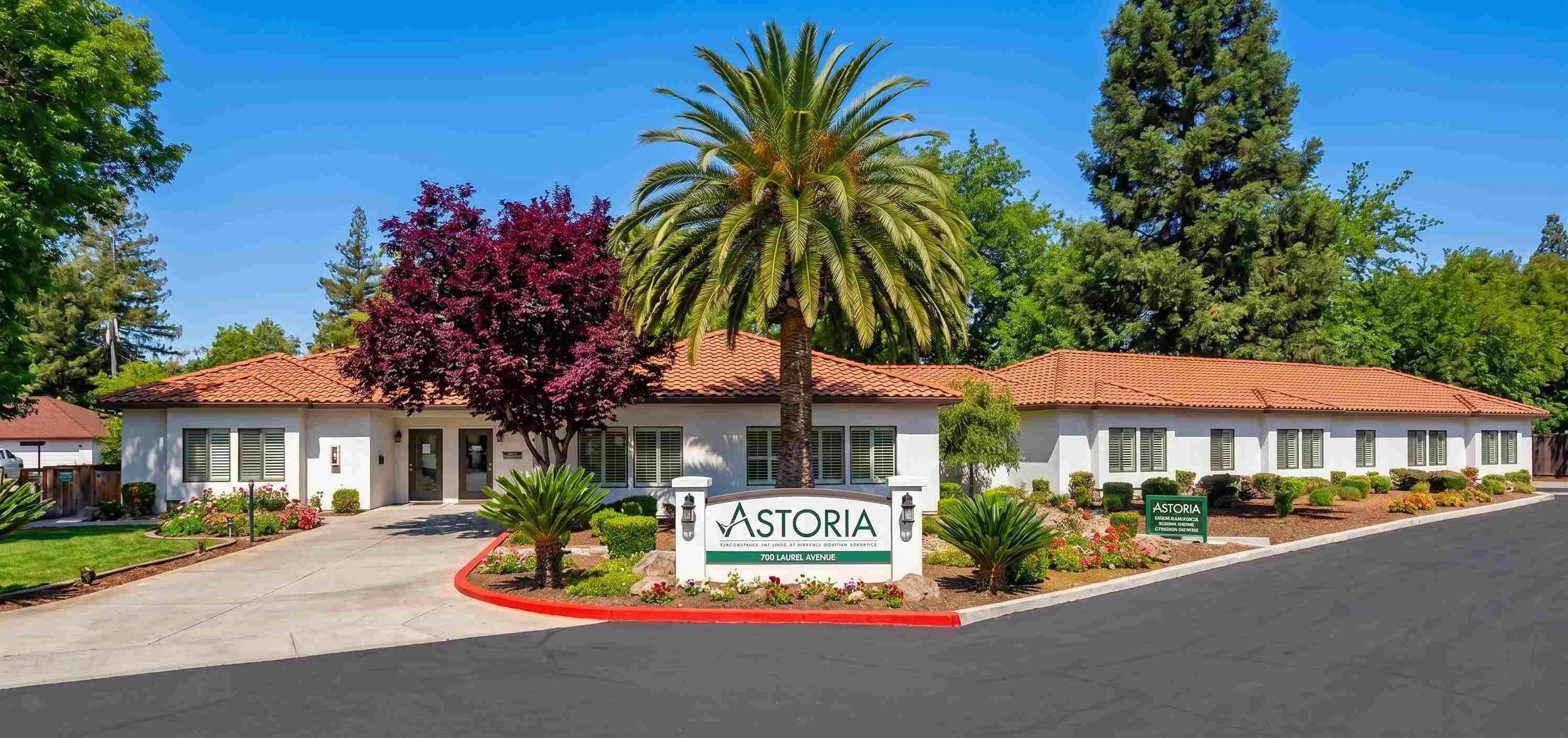
Astoria at Oakdale is a licensed assisted living and memory care community at 700 Laurel Ave in Oakdale, California, in Stanislaus County. Licensed for 45 residents, it sits in the size range that many families find reassuring: large enough to offer real support and shared spaces, yet small enough that staff can come to know each resident by name. It is part of the Astoria Senior Living family of communities, which has cared for older adults in California for decades.
A Community With Deep Roots in Oakdale
What tends to stand out about Astoria at Oakdale is its size and its sense of place. With room for around 45 residents, it feels more like a neighborhood than an institution. The Astoria Senior Living name carries a long history of caring for older adults, and the Oakdale community has been recognized in U.S. News & World Report’s Best Assisted Living ratings, a signal that families and residents have rated their experience highly. For a loved one who is used to a close community, that scale can make the move feel less like a leap and more like a change of address.
Assisted Living and Memory Care Under One Roof
Astoria at Oakdale offers both assisted living and memory care. That combination matters for planning. If your loved one needs help with daily tasks today but may need memory support later, a community that already offers both can reduce the worry of a future move to an unfamiliar place. It also means couples with different needs may be able to stay in the same community. The right level of care is decided with the family and based on a resident’s health, not assumed in advance.
Daily Life and Support
Day-to-day life in an assisted living community is built around a simple idea: keep as much independence as possible, and add support only where it is genuinely helpful. For your loved one, that can mean keeping their own routine, favorite chair by the window, and morning coffee, while letting go of the chores and worries that had become hard to manage alone.
Help With Daily Tasks
Assisted living communities typically help with the everyday activities that can become difficult with age, such as bathing, dressing, grooming, and moving safely around the home. Housekeeping, laundry, and meals are usually handled by the community, which frees residents to spend their energy on the things they enjoy. The goal is not to take over, but to remove the friction from daily life so that time is spent living rather than coping.
Just as important is the social side of daily life. Shared meals, activities, and simple companionship can lift the spirits of someone who has been spending long days alone at home. A community setting offers built-in chances to visit with others, which many families find is one of the biggest changes for the better after a move.
Health and Medical Support
Coordinating health care is one of the quiet reasons families choose a community. Medication reminders, help getting to appointments, and a staff that notices when something is off can all add a layer of safety. Because trips to a clinic are not always easy, some residents also benefit from care that comes to them, and families can connect with primary care and specialists who visit at home. For a resident living with a slow-healing sore or a chronic wound, more specialized help is available too, such as GotWound.com, a service that focuses on hard-to-heal wounds and can see patients in the home.
Assisted Living and Memory Care: Know the Difference
These two terms are often used together, but they describe different kinds of support, and knowing the difference makes touring easier. Assisted living is for older adults who are largely independent but need help with some daily tasks and want the safety of staff nearby. Memory care is a specialized form of assisted living designed for people living with Alzheimer’s disease or another form of dementia.
Memory care communities usually offer a more structured daily routine, secured entrances and exits to prevent wandering, and staff trained to support memory loss with patience and calm. When a community offers both, as Astoria at Oakdale does, a resident can often receive the right level of support as needs change without leaving the place that has become familiar.
Questions to Ask When You Tour
A tour is your chance to see past the lobby and picture real daily life. It helps to arrive with a short list of questions so you can compare communities fairly. Consider asking:
What levels of care are offered, and what happens when a resident’s needs change over time?
How is staffing arranged during the day, in the evening, and overnight?
How are medications managed, and how does the community coordinate with doctors?
What does a typical day look like, and what activities are offered each week?
How are meals planned, and can the kitchen accommodate special diets?
What is included in the monthly fee, and what costs extra?
Bringing your loved one along, when possible, is worth it. Their comfort in the dining room, the courtyard, and the hallways often tells you as much as any answer.
Living in Oakdale
Location shapes daily life, and Oakdale has a character of its own. Set in Stanislaus County in California’s Central Valley, Oakdale is a smaller community with a friendly, small-town feel, framed by farmland and close to the Stanislaus River. It sits a short drive east of Modesto, which puts larger hospitals, specialists, and shopping within reasonable reach while keeping the calmer pace of a smaller town at home.
For families spread across the Modesto area and the wider Central Valley, that balance is practical. A loved one can settle into a quieter community in Oakdale while relatives in Modesto or nearby towns remain close enough to visit often, join a meal, or help at an appointment. The mild valley climate also makes it easier to enjoy time outdoors for much of the year.
Everyday errands tend to be close at hand as well, with local shops, pharmacies, and services a short trip away, which keeps daily routines simple for both residents and the family members who help.
Taking the Next Step
Choosing a community is rarely a single decision. It usually starts with a phone call, a tour, and an honest conversation about what your loved one needs now and may need later. To learn about availability, current details, and the move-in process at Astoria at Oakdale, you can reach the community through the Astoria Senior Living Oakdale website. If you are comparing several places and would like guidance, it can also help to work with a senior placement advisor who understands local options and can match a community to your family’s needs and budget.
Whatever you decide, take the time you need. The best move is the one that feels right for your loved one, made calmly and with the full picture in front of you.
Explore More Assisted Living Communities

Address: 1931 Woodside Road, Redwood City, CA 94061