
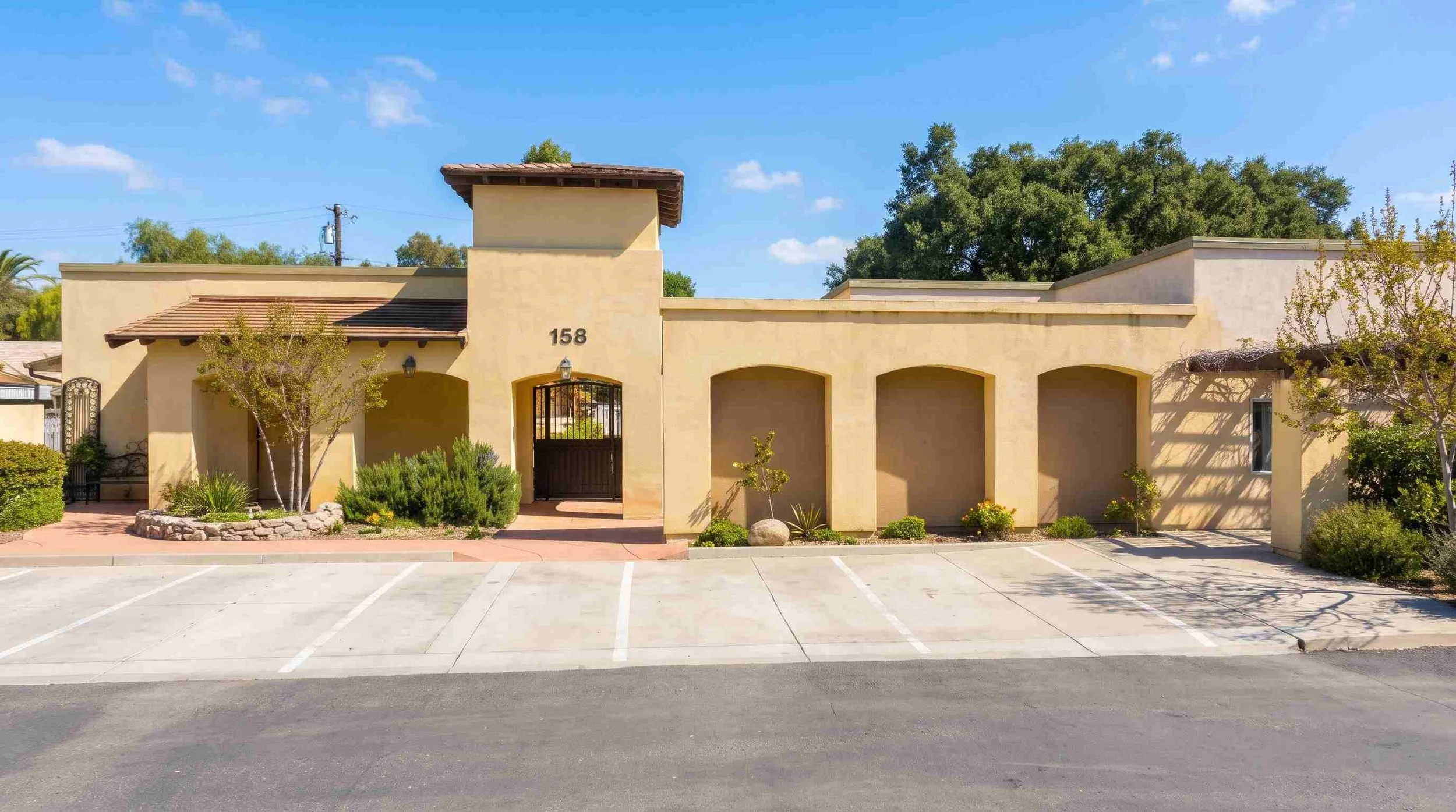
Wellness Care Senior Living is a licensed residential care facility for the elderly at 158 Rockaway Road, Oak View, CA 93022, in Ventura County. It holds California license number 565801979, is licensed for 56 residents, and has been licensed since September 3, 2015. The licensee is Wellness Care Senior Living, LLC, the administrator of record is Maria Hernandez, and the listed phone number is (805) 649-5143.
What Kind of Community Is This?
It sits in the middle of the size range, which shapes almost everything about daily life there. A 56-bed license is far larger than a six-bed board and care house and far smaller than a campus of several hundred apartments, so staff tend to know every resident by name while the building still runs on a schedule.
That matters when families compare options in the Ojai Valley. The National Institute on Aging (2023) describes board and care homes as small private facilities with 20 or fewer residents and no nursing care on site, while assisted living facilities range from as few as 25 residents to 100 or more and typically offer a few levels of care.
A ten-year license history is also worth weighing on its own. Operators change, administrators change, and a long license record does not guarantee today's experience, but it does mean the community has been through more than one staffing cycle and more than one state inspection.
What Does Assisted Living Actually Include Here?
Help with daily life, not hospital-level care. That distinction is the single most useful thing to understand before touring anywhere, because families often arrive expecting nursing care and leave confused about what the monthly fee actually buys. Knowing the line in advance makes the tour questions sharper and the cost conversation much shorter.
According to MedlinePlus (2023), assisted living is housing plus services for people who need some help with daily care, such as dressing, bathing, taking medicines and cleaning, but who do not need the medical care a nursing home provides. Residents usually have their own rooms or apartments and share common areas.
The service list is fairly consistent across licensed communities: up to three meals a day, help with personal care and medications, housekeeping and laundry, 24-hour supervision and on-site staff, social and recreational activities, and in many cases transportation. The exact arrangements vary by facility and by state.
Levels of Care and What They Change
Most communities price care in tiers, and residents pay more when they need extra services or special care. Ask which tier the person would start in, what moves someone to the next tier, and how much notice a family gets before a change in the monthly cost takes effect.
If Memory Loss Is Part of the Picture
Some facilities run special programs or secured units for people with Alzheimer's disease or other dementias, and some do not. Because this varies by community, ask directly whether a memory care unit exists here, whether it is secured, and what behaviors would mean the community can no longer meet the person's needs.
What Should You Ask Before You Tour?
Ask about needs first, then about the building. The National Institute on Aging (2023) suggests starting with the services the person needs now and may need later, such as help with everyday activities, physical therapy, nursing care, hospice care, or a special unit for memory problems, and checking with a health care provider if you are unsure.
Its practical steps for the visit itself are straightforward: call each place to ask how many people live there and what it costs, mention any special needs, find out whether there is immediate availability or a waiting list, then visit several in person and meet the director or nursing director rather than only the sales contact.
On the tour, the agency advises looking for state licensing, accessibility for people with disabilities, and residents who look appropriately cared for. Visiting more than once, including at a mealtime or in the early evening, tells you more about staffing than any brochure does.
How Does Medical Care Work for Someone Living Here?
The community handles daily support; doctors and specialists stay the resident's own. Assisted living is not licensed to provide medical care, so a resident keeps a primary care doctor, and medical visits are either arranged outside or brought into the building.
For an older adult who finds the car trip exhausting, that second option saves a great deal of trouble. Doctors and specialists who see patients where they live can handle routine follow-ups, medication reviews, and the physician's report the state form requires, without a trip down the valley.
End-of-life care is a separate service that can also come to the resident. Pacific Crest Hospice, which serves Ventura County, is one of the hospice providers families in this area work with, and hospice is coordinated with the community rather than replacing it.
What Does the Oak View Setting Mean Day to Day?
Oak View is a small community in the Ojai Valley, inland from the coast and a short drive down the valley from Ojai itself. For families, that location is the trade-off at the center of this choice: quieter surroundings and valley air, with the larger medical facilities of the Ventura area a drive away rather than around the corner.
It works well for a resident whose family lives in the valley or along the coast and visits often. It works less well if relatives are in Los Angeles and visiting means a long drive, because visit frequency usually matters more to a resident's wellbeing than the quality of the dining room.
Ask practical local questions on the tour: which hospital the community transfers to, how appointments outside the valley are staffed, and whether the community provides transportation or expects the family to arrange it. Those answers change how much work falls on relatives each month.
What Does a Realistic Next Step Look Like?
Three steps, in this order. Confirm the current license status and capacity with the state, call the community to ask about availability and the monthly cost for the level of care the person needs, and arrange an in-person visit at a time when residents are awake and staff are busy.
If several communities are on the list and the decision has to happen quickly, a placement professional can narrow it down. Placement agencies that cover this part of California know which communities currently have openings and which accept the level of care involved, which saves a week of unanswered phone calls.
Keep the paperwork moving in parallel with the search. The physician's report is the item that most often delays a move-in, so getting the medical side scheduled early means the move can happen as soon as a room is confirmed.
Sources Used
Assisted Living – MedlinePlus (2023)
How To Choose a Nursing Home or Other Long-Term Care Facility – National Institute on Aging (2023)
Long-Term Care Facilities: Assisted Living, Nursing Homes, and Other Residential Care – National Institute on Aging (2023)

Written by Sofiia Puhach
November 17, 2026
Explore More Assisted Living Communities

Address: 158 Rockaway Road, Oak View, CA 93022 (Ventura County)