
Scott Villa
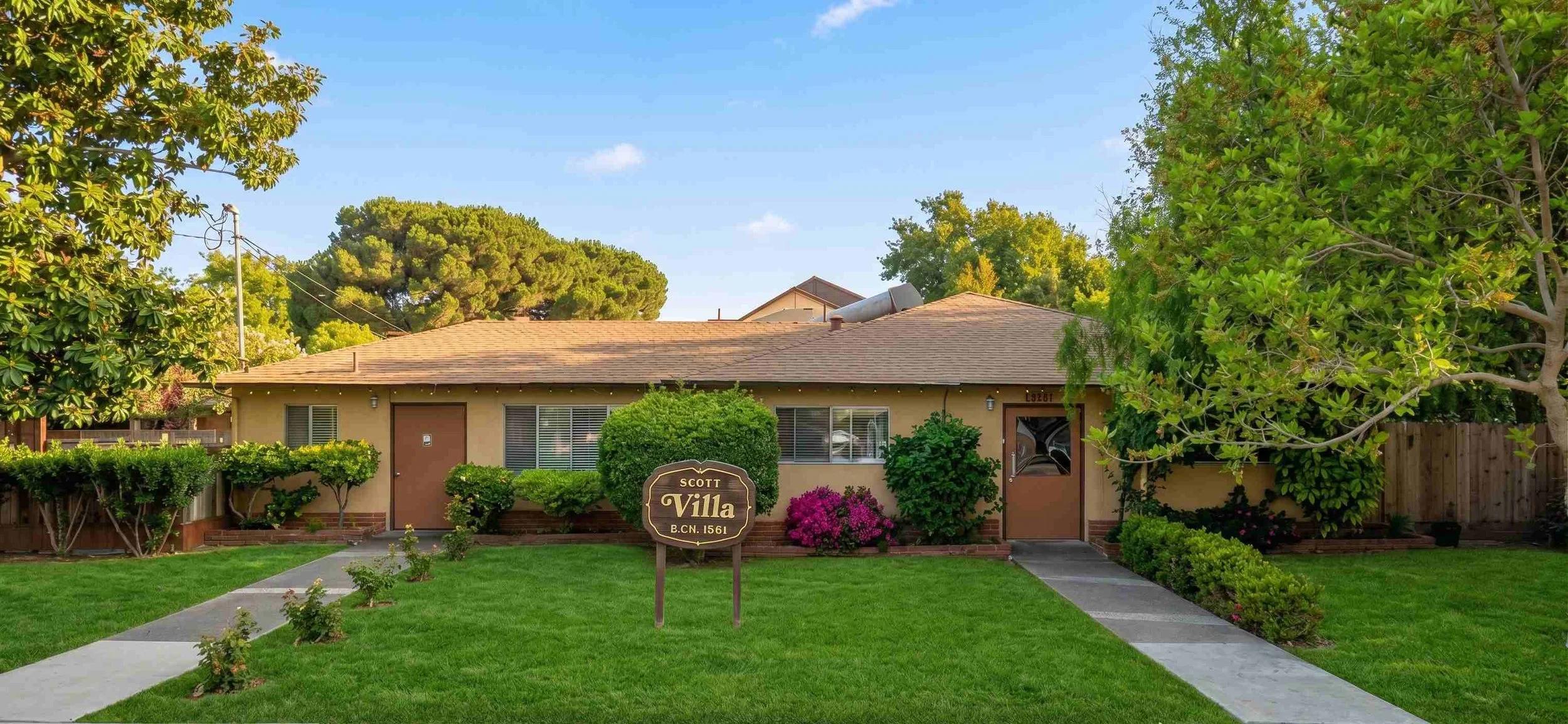
Scott Villa is a licensed residential care facility for the elderly in Hayward, California, tucked into a quiet residential pocket of Alameda County at 1560 Middle Lane. Operated by Scott Villas Corporation and licensed for up to 35 residents, it occupies a size that many families find reassuring: bigger and more social than a tiny board and care home, yet far smaller and more personal than a large institutional campus. The sections below focus on that middle-ground character and what it means for daily life.
The Case for a Mid-Size Home
Most seniors living in California fall into two extremes. On one end are six-bed board and care homes in ordinary houses; on the other are sprawling communities with well over a hundred residents. Scott Villa sits deliberately between the two, and that position is its defining trait.
Bigger Than a Board and Care
With room for up to 35 residents, Scott Villa can support a fuller daily calendar, more shared spaces, and a larger care team than a six-person home. That scale gives residents company and variety without the anonymity of a big building. For a senior who enjoys being around people but would feel overwhelmed by a hundred neighbors, this size can be a comfortable fit.
Smaller Than a Campus
At the same time, 35 residents is small enough that staff can learn names, habits, and preferences. The atmosphere leans toward a shared house rather than a facility, with meals at common tables and a pace closer to home than to a clinic. That familiarity is often what makes a move feel less like a loss for an older adult leaving a home of their own.
What the Size Means for Care
Size is not just about atmosphere; it also affects how care feels day to day. In a mid-size home, caregivers spread their attention across a manageable number of residents, so a parent is neither one of a hundred nor entirely dependent on a single aide. That can translate into steadier routines and quicker notice when something changes. When you tour, it is worth asking directly about the staffing level during the day and overnight, since that number shapes the experience more than square footage ever will.
Scott Villa at a Glance
Type: Residential Care Facility for the Elderly (assisted living)
License Number: 019200750
Status: Licensed
Capacity: Up to 35 residents
Address: 1560 Middle Lane, Hayward, CA 94545 (Alameda County)
Licensed since: May 2018
Operated by: Scott Villas Corporation
Everyday Care and Comfort
Around-the-Clock Personal Support
Care staff are on duty day and night, offering help with the ordinary routines that grow harder with age: bathing, dressing, grooming, mobility and walking, gentle reminders, and support at mealtimes. Residential care of this kind is meant to fill in only where help is needed, so residents keep as much independence and dignity as possible. Knowing someone is awake and nearby overnight is often a key reason families move a parent out of living alone.
Home-Style Meals and Shared Rooms
Meals are prepared in a home-style kitchen and served three times a day in a common dining area that doubles as a place to socialize. Beyond the dining room, residents can use a library, recreation areas, and outdoor space with a garden and paths for a stroll in the East Bay sunshine. These shared spaces are much of what keeps a care home feeling like a community rather than a set of private rooms.
Time Outdoors and Company
The garden and walking paths are more than pleasant scenery. Easy access to fresh air and a safe place to walk supports mobility, sleep, and mood in later life, and an outdoor spot to sit with a visitor makes family time more relaxed. Just as important is simple company: shared meals and common rooms give residents daily, low-pressure chances to see familiar faces, which helps counter the isolation that often follows living alone.
A Weekly Rhythm of Activities
A rotating schedule keeps residents engaged and connected. Depending on the season and the group, that can include:
Movie nights and shared music
Board games, cards, and group puzzles
Light exercise and stretching for mobility
Arts, crafts, and creative projects
Occasional outings and seasonal celebrations
Keeping Doctor Visits Simple
A residential care home is not a medical center, so most seniors keep seeing their own doctors for check-ups and ongoing conditions. To make that easier, families can arrange for a physician who makes house calls to residents' rooms, which spares a frail or wheelchair-using parent the strain of traveling to an office for routine visits. It also helps to ask staff how they track medications, coordinate follow-ups, and communicate with a resident's doctor when health needs change.
What an RCFE License Actually Covers
In California, non-medical senior housing is licensed as a Residential Care Facility for the Elderly, or RCFE. Both large assisted living communities and small board and care homes share this same license, which can confuse families comparing them.
An RCFE provides room, meals, help with daily living, medication oversight, and supervision, but not skilled nursing care. Understanding this category helps you compare homes on equal footing rather than by marketing labels. Scott Villa's mid-size RCFE setting means it can offer an active, social environment while still delivering the hands-on daily support of residential care. If a resident's needs eventually grow beyond what an RCFE can provide, it is worth asking early how the home handles that kind of transition so there are no surprises later.
Deciding If a Mid-Size Home Fits
Because Scott Villa's appeal is its scale, it helps to judge it against your loved one's temperament and needs. A short set of questions can guide a visit:
Does your parent enjoy company, or prefer a very quiet setting?
How much daily help do they need now, and how might that change?
What is the staffing level during the day and overnight?
Which activities run each week, and are outings included?
What is included in the monthly rate, and what costs extra?
The Hayward and East Bay Setting
Location shapes how often family can visit, and Hayward sits in the East Bay between Oakland and Fremont, with easy freeway access for relatives across the Bay Area. The mild coastal climate is gentle on older adults year-round, and hospitals, pharmacies, and specialists are within a short drive when needed. For families who want a parent nearby without the density of a big-city center, Hayward strikes a comfortable balance between accessibility and calm.
The 1560 Middle Lane address keeps Scott Villa in a quiet residential area rather than on a busy thoroughfare, which fits its house-like character. Being centrally located in Alameda County also means relatives coming from San Jose, Oakland, or across the bay can fold a visit into an ordinary day rather than planning a long trip. Regular visits matter for a resident's wellbeing, and an easy drive makes them far more likely to happen.
Arranging a Visit
A tour tells you far more than any listing, so seeing Scott Villa in person, meeting the staff, and picturing a normal afternoon is the clearest next step. If you would like guidance comparing it with other homes nearby, a senior placement advisor can walk you through the options at no cost to the family. A visit, a few honest questions, and a conversation about your loved one's day-to-day needs will bring the choice into focus.
Explore More Assisted Living Communities

Address: 22615 Kittridge Street, West Hills, CA 91307