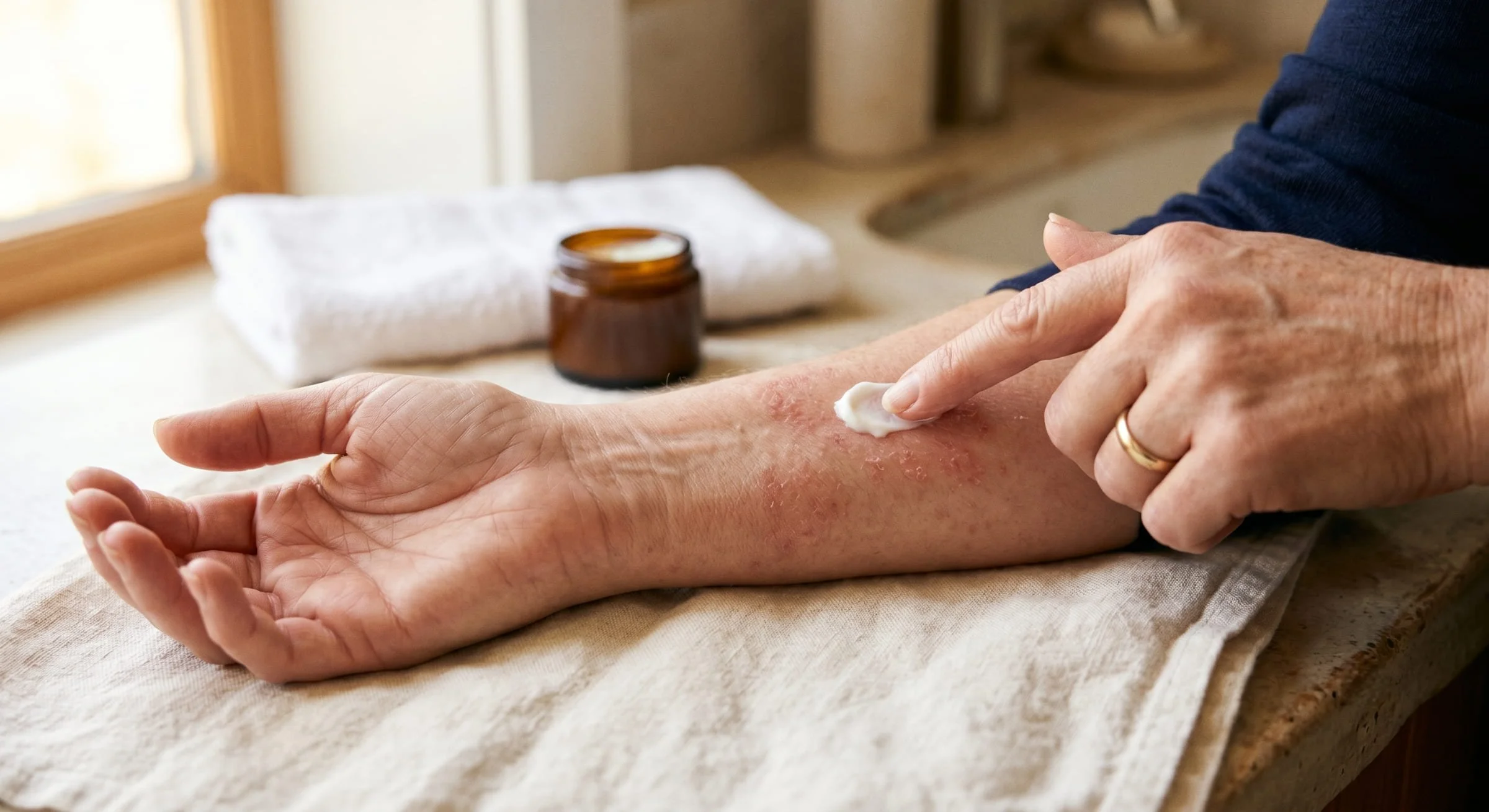
Atopic Dermatitis: A Complete Guide to Adult Eczema Management
If you are an adult living with constantly itchy, dry, or inflamed skin, you are not alone. Atopic dermatitis (also called atopic eczema) is a long-term inflammatory condition. It affects millions of adults across the United States.
Unlike childhood eczema, which many kids "outgrow," adult eczema needs a careful, long-term plan. The plan focuses on rebuilding the skin barrier and calming the immune system. Managing chronic skin care can feel overwhelming. The Doctor2me network connects patients with top specialists and diagnostic resources, so adult eczema is managed with expert care.
Atopic Dermatitis vs. Standard Dry Skin: The Clinical Difference
A common myth is that eczema is just "very dry skin." Dryness is one symptom, but atopic dermatitis is a body-wide immune system condition. Understanding this difference is key for getting the right treatment.
Key Differences at a Glance
| Feature | Standard Dry Skin (Xerosis) | Atopic Dermatitis (Eczema) |
| Root Cause | Environmental factors (low humidity) | Genetic skin barrier defect and immune system overreaction |
| Itch Intensity | Mild, usually eased by lotion | Intense, long-lasting, often disrupts sleep |
| Inflammation | Little to none | Redness, swelling, and "weeping" patches |
| Duration | Temporary or seasonal | Long-term with unpredictable flare-ups |
According to the National Institute of Allergy and Infectious Diseases (NIAID), atopic dermatitis involves a complex interaction between the immune system and the skin barrier. This is why it is much harder to treat with regular over-the-counter moisturizers than simple dry skin.
Common Atopic Dermatitis Symptoms in Adults
In adults, atopic dermatitis symptoms often appear in specific places and with a specific intensity that is different from what kids experience. Kids often have rashes on their cheeks or scalp. Adults are more likely to deal with:
Lichenification: This is the thickening and leathery feel of the skin from too much scratching. It often shows up on the hands, wrists, and neck.
Persistent hand eczema: Adults often have severe inflammation on the hands. This can get in the way of work and daily activities.
Eyelid dermatitis: The skin around the eyes is thin and sensitive. It often becomes red and scaly in adult patients.
The "itch-scratch cycle": A frustrating loop where scratching triggers more inflammatory chemicals. These chemicals cause even more itching.
If your symptoms have led to broken or weeping skin, you may need specialized care. An accurate diagnosis and treatment plan can come from any general practitioner. Patients may also choose to see a dermatologist (skin specialist) for more expert care.
Deep Dive: Eczema Causes and Triggers
Finding the causes of eczema is key for long-term prevention. The exact cause is still being studied. But several main drivers have been found.
The Genetic Component
Many adults with atopic dermatitis have a genetic change that affects filaggrin. Filaggrin is a protein that helps keep the skin barrier strong and well-hydrated. Without enough of it, moisture escapes and irritants get in easily.
The Microbiome and Environment
Research shows that the skin's microbiome plays a big role in flare-ups. (The microbiome is the natural community of bacteria living on your skin.) A study found that during a flare, the diversity of bacteria on the skin drops a lot. It is often replaced by an overgrowth of Staphylococcus aureus bacteria. This bacterial imbalance feeds the inflammation.
Common Adult Triggers
Stress: High cortisol levels (a stress hormone) can cause the immune system to overreact.
Hormonal changes: Many adult women report flare-ups around their menstrual cycles.
Environmental allergens: Dust mites, pet dander, and certain pollens can trigger a flare.
Evidence-Based Atopic Dermatitis Treatment Strategies
Modern medicine has moved beyond just treating the surface of the skin. Today's treatment plans are personal and use several layers at once.
Specialized Topical Eczema Treatment
For most adults, the first line of defense is a high-quality topical treatment (a medicine you put on the skin). These medications are made to calm inflammation and repair the skin barrier:
Corticosteroids: These are the standard for calming down an active, "angry" flare.
Topical Calcineurin Inhibitors (TCIs): These are not steroids and are safe for sensitive areas like the face.
PDE4 Inhibitors: A newer type of topical medicine that targets specific enzymes (proteins that drive chemical reactions) in skin cells to reduce redness and itching.
Modern dermatology guidelines stress using these medications in a "proactive" way (to prevent flares before they start) rather than only "reactively" (after a flare has already started). For long-term management, patients can connect with experienced dermatologists in the Doctor2me network, like Jonathan Carp, MD.
Advanced Atopic Dermatitis Medication
When topicals are not enough, doctors may switch to whole-body treatments. These include:
Biologics: Injectable medications that target specific proteins in the immune system (called IL-4 and IL-13) that cause inflammation.
Oral JAK Inhibitors: A modern pill option that blocks the signals telling the body to itch and inflame.
The Role of Precision Diagnostics
A general diagnosis is often not enough for chronic cases. To truly manage adult eczema well, you need to understand your body's unique triggers and any related complications.
Specialized lab testing through Sonic Diagnostic Laboratory can be a key part of the plan. They provide the tests needed to tell atopic dermatitis apart from other autoimmune conditions. They can also find specific bacterial infections that may be slowing your recovery.
Through the Doctor2me network, patients can easily coordinate these diagnostic steps. This makes sure the treatment plan is based on real clinical data, not guesswork.
Daily Care and Eczema Skin Care Products
Professional treatment must be backed by a steady at-home routine. Choosing the right skin care products is a daily commitment to barrier health.
The "Soak and Seal" Method
The National Jewish Health, a leading respiratory hospital, recommends:
Take a lukewarm (not hot) bath or shower for 5 to 10 minutes.
Pat the skin gently with a towel, leaving it slightly damp.
Right away, apply your prescribed medication or a thick, ceramide-rich moisturizer to lock in the moisture.
Natural Remedies for Atopic Dermatitis
Many patients find relief by adding natural options to their medical plan:
Colloidal oatmeal: Adding this to your bath can really soothe the itch and soften the skin.
Coconut oil: Research shows that virgin coconut oil has germ-fighting properties that can help reduce Staph bacteria on the skin.
Stress reduction: Mindfulness and yoga can help lower the body-wide inflammation caused by stress.
The Concierge Advantage in Chronic Care
Managing a lifelong condition like atopic eczema benefits from a more personal medical relationship. Traditional clinic visits often leave patients feeling rushed. The concierge approach allows for a deeper look at a patient's lifestyle, triggers, and long-term goals. Patients in the Pasadena, CA area can connect with experienced dermatologists like Dr. Ronald Rigor.
By using the Doctor2me platform, you can find a dedicated medical partner who knows that eczema management is not a "one size fits all" solution.
FAQ
Is atopic dermatitis the same as a skin allergy?
Not exactly. Allergies can trigger atopic dermatitis. But the condition itself is a long-term problem with the skin barrier and the immune system. It is more complex than a simple allergic reaction.
Can adult eczema be cured permanently?
There is no permanent cure for atopic dermatitis right now. But it can be managed so well that patients have long periods of completely clear skin. The goal of modern treatment is long-term remission (when symptoms calm down or go away for a long time).
What should I look for in eczema skin care products?
Look for products with the "National Eczema Association" seal of approval. Key ingredients should include ceramides (which repair the skin barrier), petrolatum (which locks in moisture), and glycerin. Avoid fragrances and alcohol.
Does diet affect atopic dermatitis in adults?
Food allergies are less common triggers for adults than for children. But some patients find that a pro-inflammatory diet (high in sugar and processed foods) can make their symptoms worse. Talking with a specialist through Doctor2me can help you decide if diet changes are right for you.
When should I seek professional help for a flare?
You should see a doctor if your itching keeps you from sleeping, if you see signs of infection (pus, crusting, or fever), or if your current routine is no longer controlling your symptoms.
You May Also Like