Hemorrhoids: A Complete Guide to Home Diagnosis and Management
Hemorrhoids are a common medical condition that affects millions of adults around the world. Still, many people feel uncomfortable talking about them. They can cause real discomfort. But knowing how to identify them at home and which treatments work best can lead to faster healing and a better quality of life.
Understanding Hemorrhoids: What Are They?
Hemorrhoids, often called piles, are swollen veins in the lower rectum and anus. They are similar to varicose veins. These blood vessels are actually a normal part of the body. They act as cushions that help with stool control. But when they get inflamed or swollen from increased pressure, they cause symptoms that need attention.
Research shows that nearly half of adults over age 50 have some level of hemorrhoid symptoms. Clinical guidelines say that while the condition is usually not dangerous, the discomfort can range from a mild annoyance to severe pain.
Internal vs. External Hemorrhoids
Hemorrhoids are usually grouped into two types based on where they are:
Internal hemorrhoids: These form inside the rectum. Because this area has fewer pain-sensing nerves, you usually can't see or feel them. The most common sign is painless bleeding during a bowel movement.
External hemorrhoids: These form under the skin around the anus. This area has many pain-sensing nerves. That makes external hemorrhoids more likely to cause itching, pain, and sometimes bleeding.
How to Perform a Home Diagnosis
Checking your symptoms at home is the first step in managing them. It means paying close attention to how you feel and to anything you can see during your bathroom routine.
Identifying Common Symptoms
The most common sign of hemorrhoids is bright red blood after a bowel movement. You may see this on the toilet paper or in the bowl. According to clinical overviews, other symptoms include:
Itching or irritation around the anus.
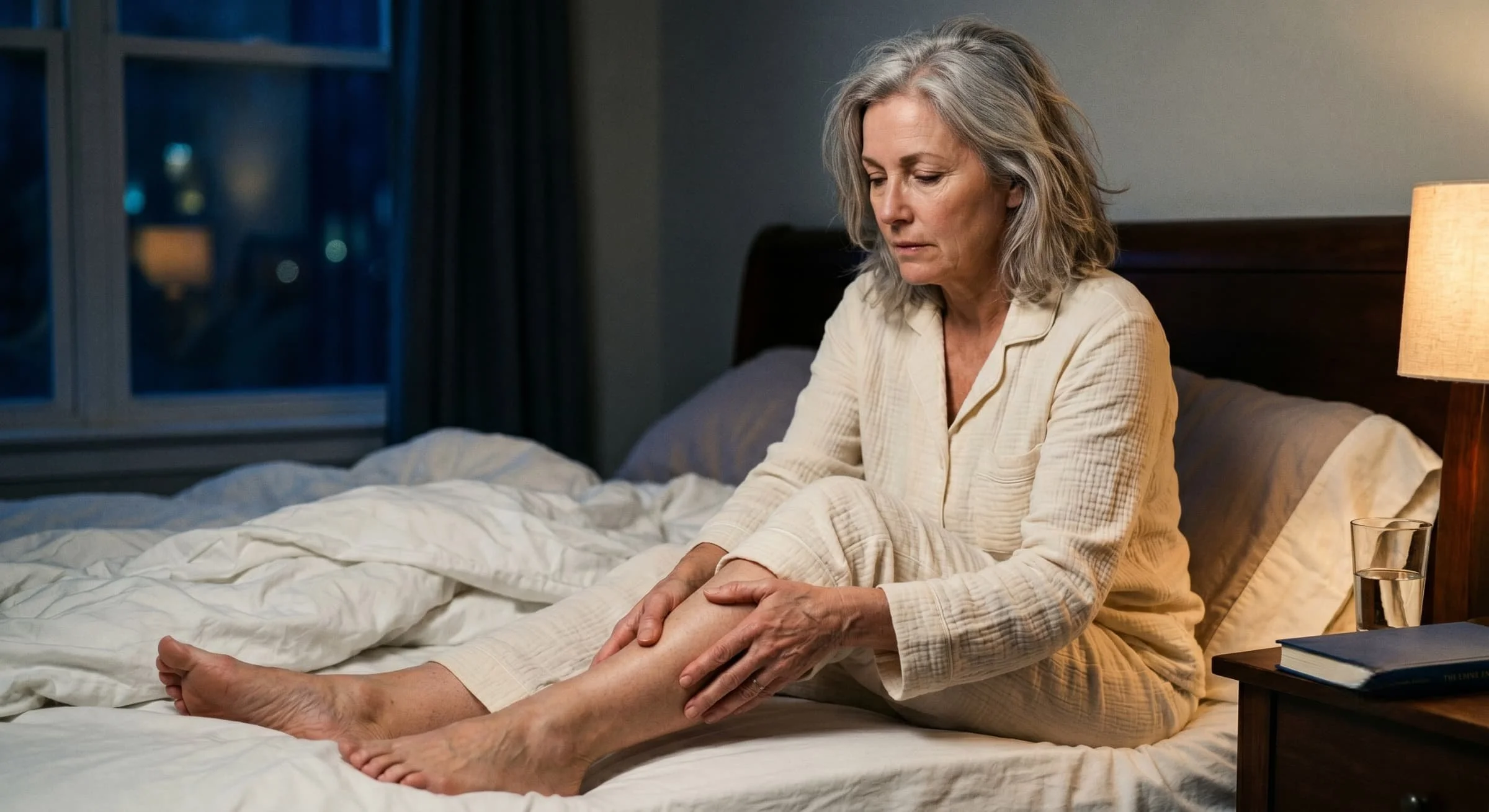
Pain or discomfort, especially when sitting.
Swelling around the anus.
A lump near the anus that may be sensitive or painful (often a thrombosed hemorrhoid – a hemorrhoid with a blood clot inside).
Recognizing Red Flags: When to Seek Medical Attention
Blood in the stool is often a sign of hemorrhoids. But it can also point to more serious conditions like colorectal cancer or inflammatory bowel disease. If you have bright red blood after a bowel movement along with a change in your bowel habits or unexplained weight loss, you need to see a doctor. Guidelines from digestive health experts say that any ongoing rectal bleeding should be checked by a board-certified doctor to rule out other causes.
Common Causes and Risk Factors
The main cause of hemorrhoids is increased pressure in the lower rectum. This can come from:
Straining during bowel movements.
Sitting on the toilet for too long.
Long-term diarrhea or constipation.
Carrying extra body weight.
A low-fiber diet.
The Impact of Pregnancy on Vein Health
Hemorrhoids during pregnancy are very common. As the uterus grows, it puts pressure on the pelvic veins and the inferior vena cava (a major vein that carries blood from the lower body back to the heart). Hormone changes can also relax the vein walls. This makes them more likely to swell. Managing this through gentle lifestyle changes is key to comfort during the third trimester.
Effective Home Remedies and Lifestyle Changes
Most mild cases can be managed with simple home remedies. The goal is to lower inflammation and soften the stool to ease symptoms naturally.
The Role of a High-Fiber Diet
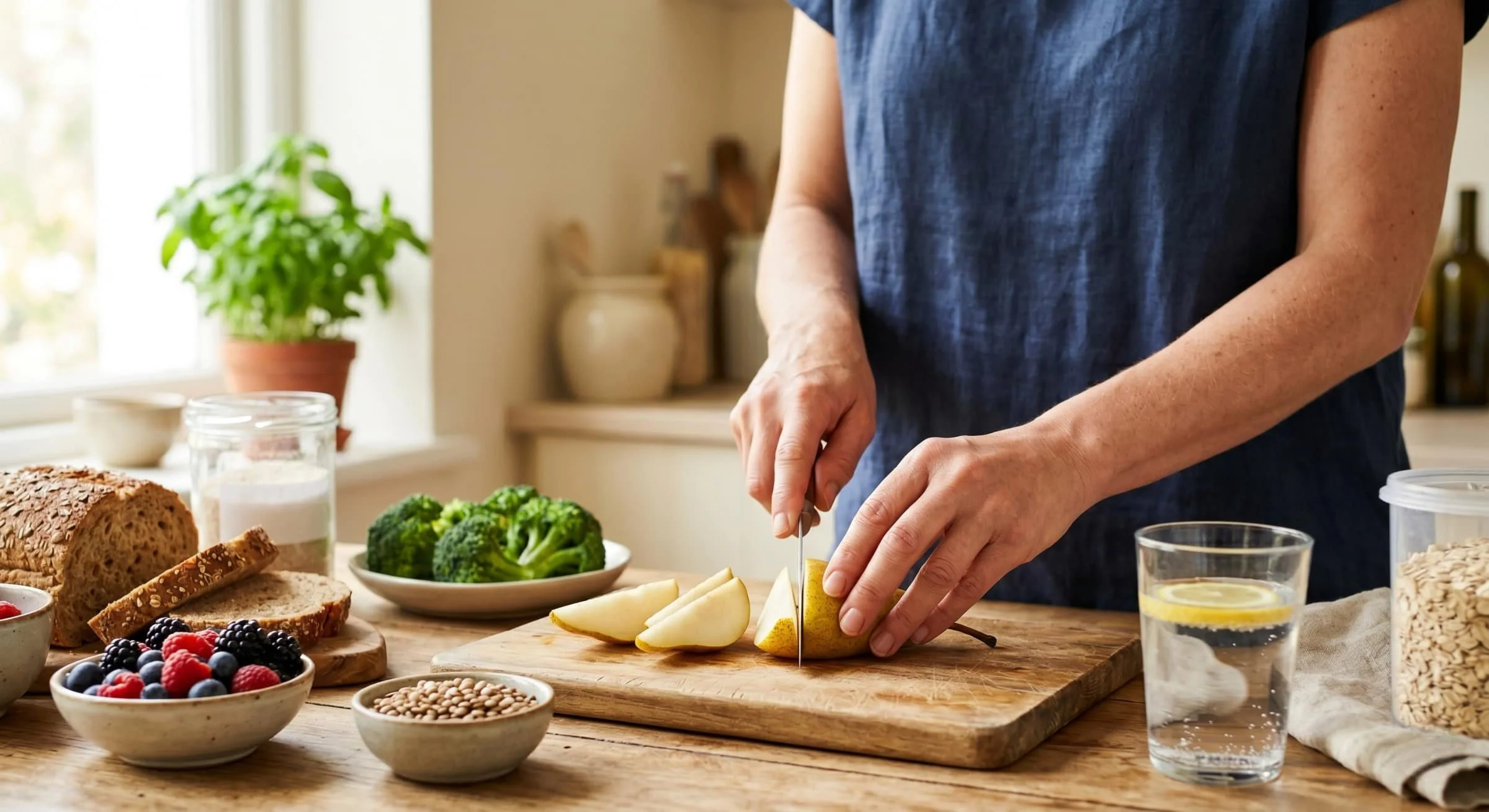
Moving to a high-fiber diet is the gold standard for long-term relief. Fiber adds bulk to your stool and softens it. This lets it pass more easily. Clinical studies show that getting more fiber may cut the risk of hemorrhoid symptoms by more than half.
Foods to include: Whole grains, beans and lentils, broccoli, carrots, and fruits like pears and berries.
Foods to avoid: Highly processed foods, white bread, and dairy, which can lead to constipation.
Fiber Supplements and Hydration
If diet changes aren't enough, a fiber supplement (like psyllium husk or methylcellulose) can help. But fiber only works if you drink enough water. Aim for at least eight glasses of water a day to help the fiber move through your system the right way.
Over-the-Counter (OTC) Treatments
When lifestyle changes aren't enough for immediate pain, over-the-counter medicines can give temporary relief.
Best Ointments and Topical Relief
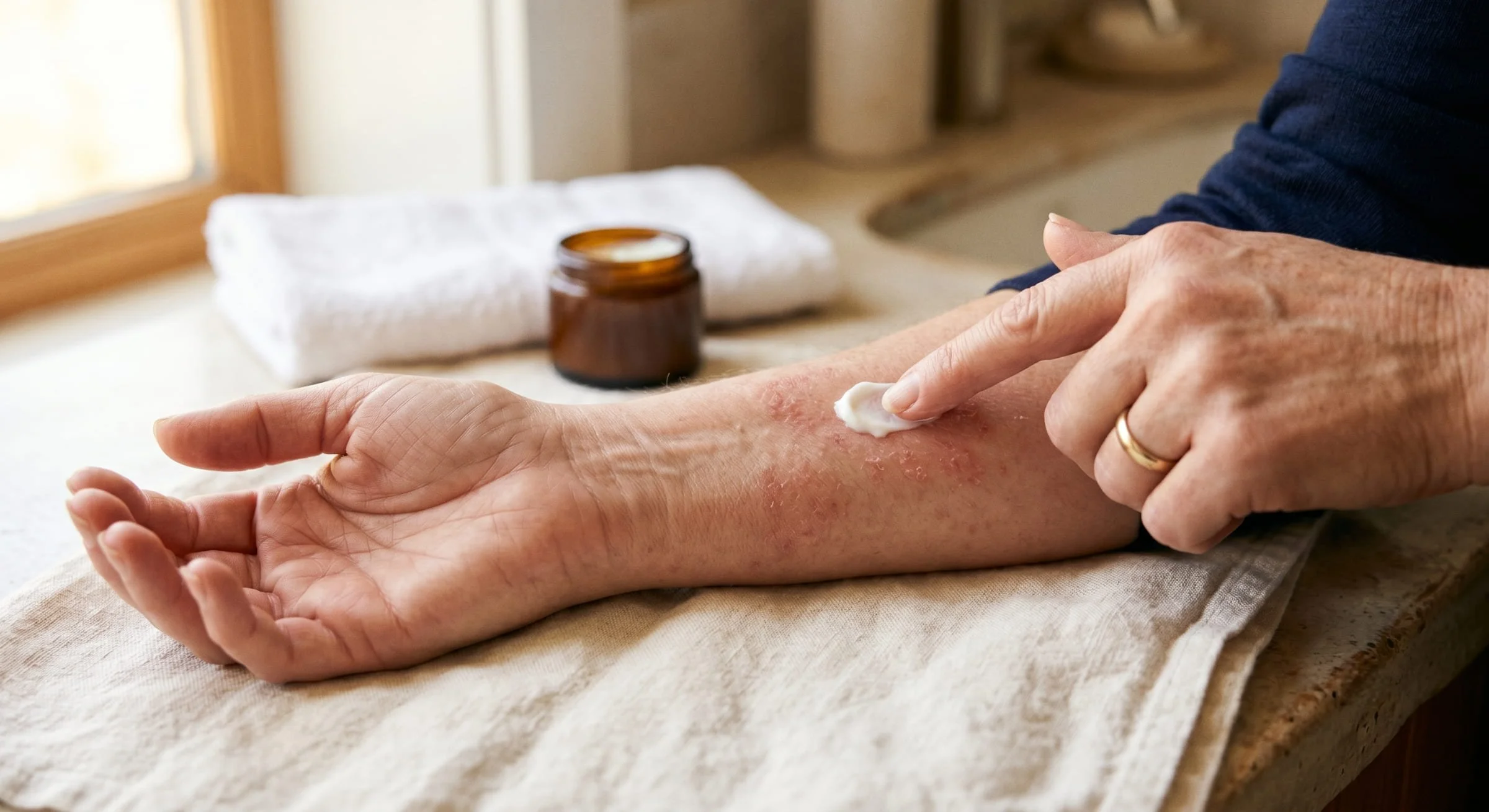
Common OTC hemorrhoid treatments include hydrocortisone (a cream that reduces inflammation and itching), witch hazel (an astringent that calms irritated tissue – an astringent is a substance that tightens tissue), and phenylephrine (a vasoconstrictor – a medicine that narrows blood vessels and temporarily shrinks swollen tissue). The best option depends on your specific symptoms.
Oral Medications for Symptom Management
Pain relievers like acetaminophen or ibuprofen can help with the discomfort from swelling. Always follow the dose instructions on the label. Talk to a provider if you have other health conditions.
Professional Care and Expert Consultations
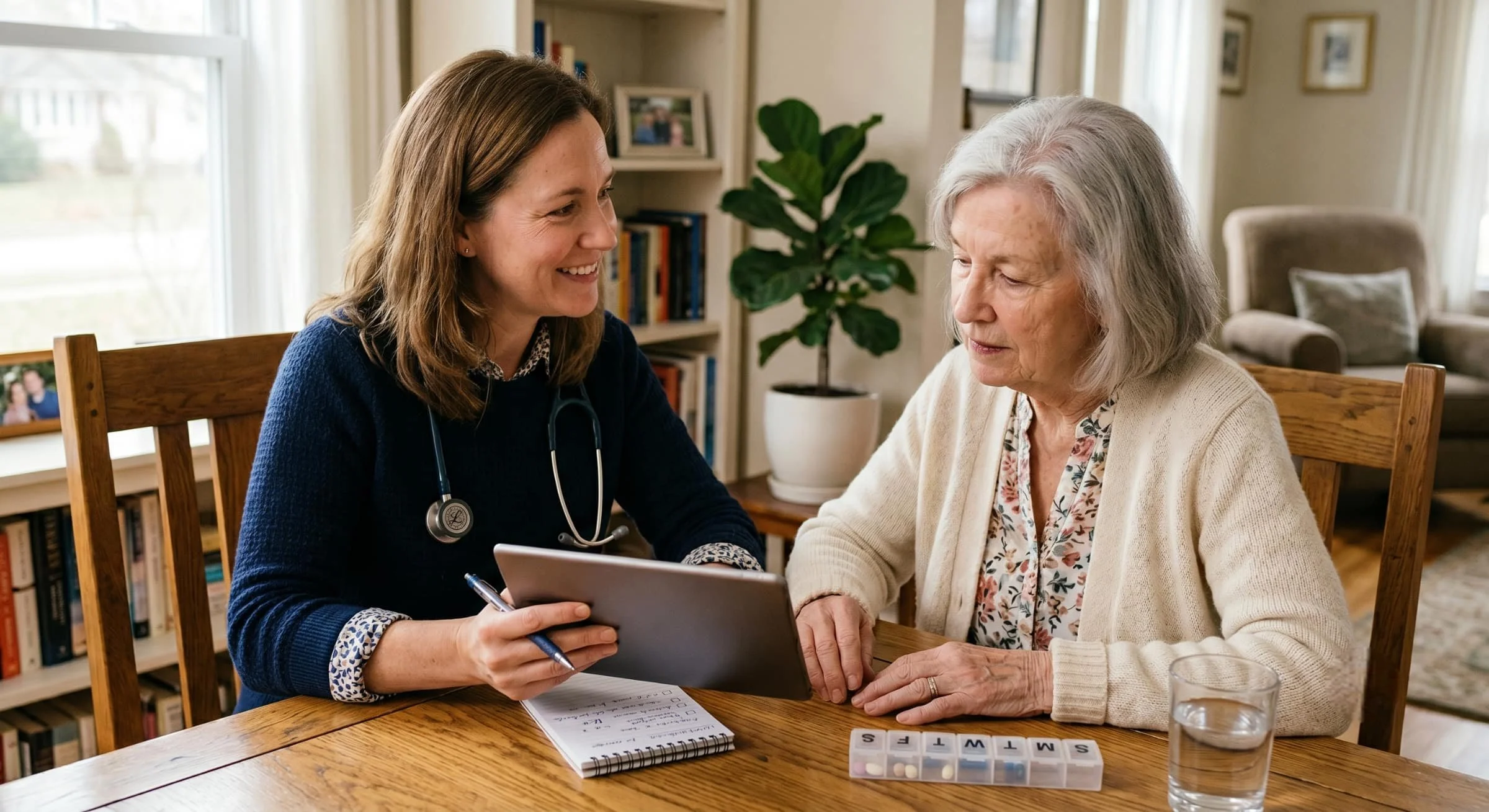
If home remedies do not bring relief within a week, it is time to talk to a professional. Doctor2me bridges the gap between home care and expert clinical care. Through our platform, you can easily choose a board-certified physician to review your symptoms or discuss minimally invasive procedures (treatments that use small cuts or no cuts at all).
For specialized care, our network includes gastroenterologists (doctors who specialize in the digestive system) Dr. Sikavi and Dr. Krishnan. They provide expert care for ongoing or complex cases. This coordinated approach makes sure you get the personal care you need without the stress of figuring out the healthcare system alone.
Long-Term Prevention Strategies
To stop hemorrhoids from coming back:
Don't wait: Go to the bathroom as soon as you feel the urge. Delaying a bowel movement can lead to harder stools.
Exercise: Regular physical activity helps prevent constipation and reduces pressure on the veins.
Avoid sitting for long periods: This is especially true on the toilet, as it puts extra downward pressure on the anal veins.
FAQ
Can hemorrhoids go away on their own?
Yes. Mild hemorrhoids often clear up within a few days of starting home treatments like a high-fiber diet and sitz baths (sitting in a small tub of warm water that covers the hips and buttocks). But if they keep coming back or are painful, professional care may be needed.
Is it normal to see blood in the stool?
Bright red blood is a common sign of hemorrhoids. But it should always be checked. If the blood is dark or mixed in with the stool, it could mean a different problem higher up in the digestive tract.
Which fiber supplement is best for hemorrhoids?
Psyllium husk is generally considered the most effective for softening stool. It is important to start with a small dose and increase it slowly to avoid gas and bloating.
How do I use ointments for the best results?
Apply the ointment after a bowel movement, once the area is gently cleaned with water. Many of the best ointments work best when applied steadily for 3 to 5 days.
Are hemorrhoids during pregnancy permanent?
Usually, no. Most women find that their symptoms go away shortly after giving birth, once the pressure on the pelvic veins is relieved.
You May Also Like