How Automatic Door Openers Can Improve Daily Independence
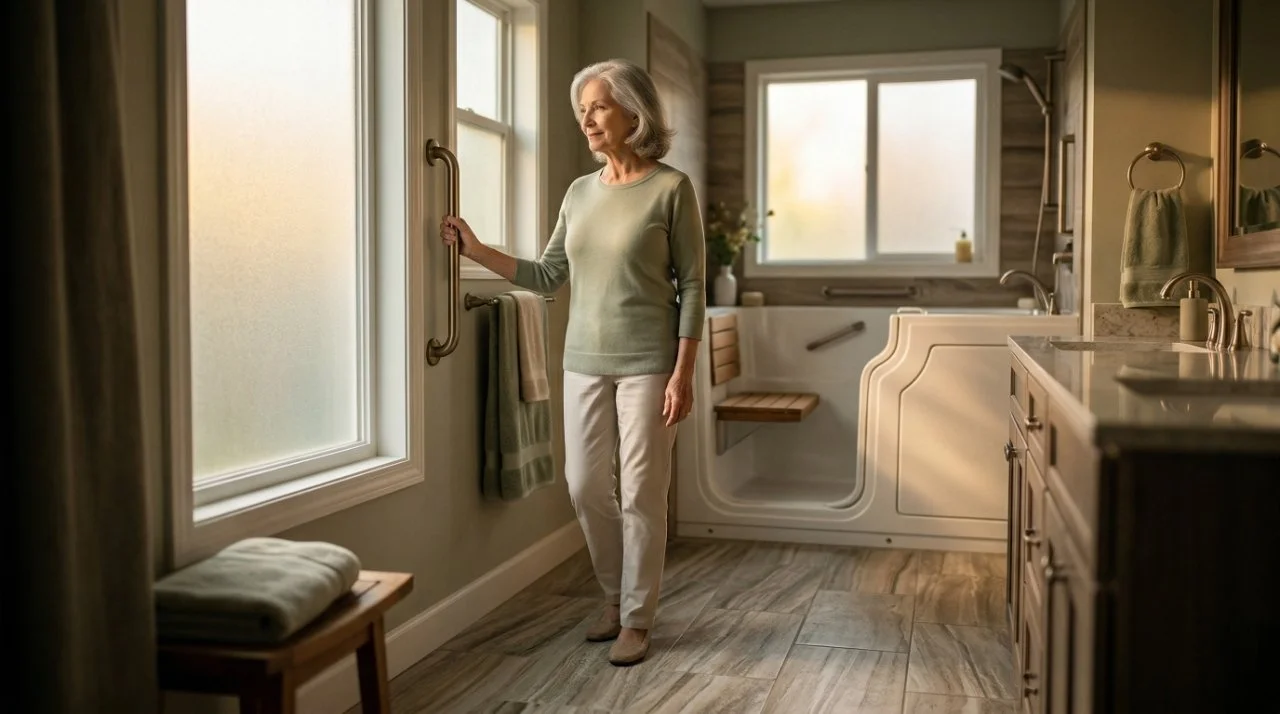
For most people, opening a door is an action so automatic it goes unnoticed. However, for individuals with limited mobility, those recovering from surgery, or seniors aging in place, a standard door can become a significant physical barrier. Independence is not just about the ability to live alone; it starts with the basic ability to move freely from one room to another without struggle. When a simple threshold becomes an obstacle, it impacts confidence and autonomy. Addressing this seemingly small detail can fundamentally change the quality of life within a home.
What Are Automatic Door Openers?
Automatic door openers are electromechanical devices installed on existing doors or built into new door frames. In residential settings, they are designed to unlatch and slowly swing the door open (and close it safely afterward) upon receiving a signal.
These systems are no longer exclusive to grocery stores or hospitals. Modern residential units are compact, quiet, and designed to blend into home decor. They operate using a motor arm attached to the door and can be triggered by various methods, such as wall buttons, motion sensors, or remote controls.
Daily Challenges Caused by Standard Doors
Standard doors present physical demands that go unnoticed until mobility is compromised.
Complex Mechanics: Opening a door requires gripping, twisting, pulling (or pushing), and stepping back simultaneously. This sequence requires significant balance and coordination.
Transport Difficulties: One of the most challenging moments for a patient with limited mobility is the journey from the bed to a vehicle. When specialized transport arrives, such as the teams from MediZoom Transportation, LLC, drivers must maneuver a wheelchair or stretcher through the home. Standard doors often force dangerous pauses or require the driver to awkwardly hold the door while moving the patient. Automatic systems create a "green corridor," allowing transport professionals to focus entirely on the patient's safety during exit and entry.
Carrying Items: Trying to open a heavy door while carrying laundry, groceries, or medical equipment increases the risk of losing balance and falling.
How Automatic Door Openers Support Independence
The primary goal of automation is to remove the physical struggle from the environment, allowing residents to focus on living rather than navigating obstacles.
Hands-Free Access and Specialist Visits
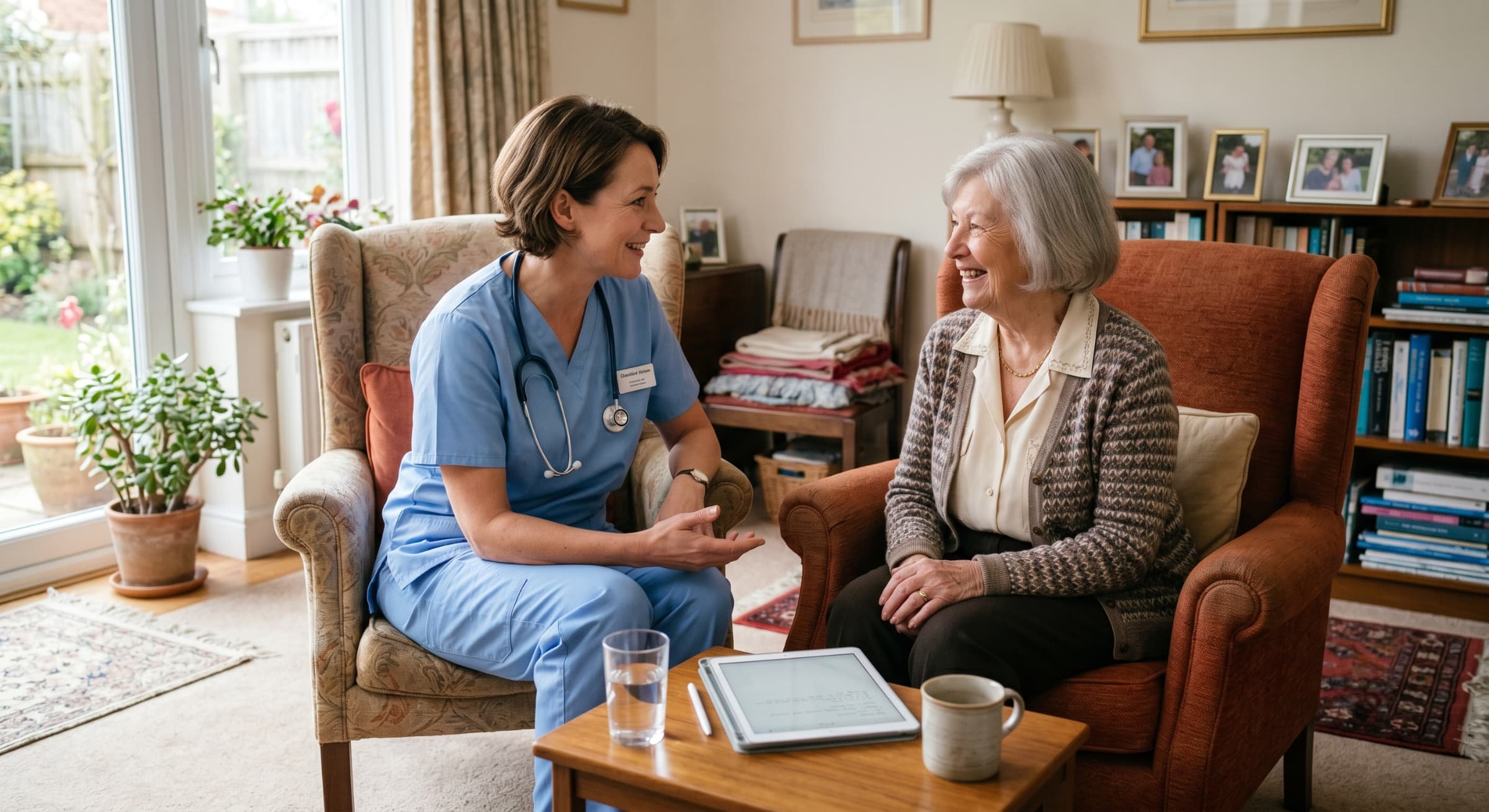
The most immediate benefit is freedom of access, which is particularly important when healthcare providers visit the home. For instance, when a specialist from a mobile lab service like Onsite Phlebotomy Solutions arrives with equipment cases for blood draws, they need clear access. An automatic door allows the professional to enter without struggle, and the patient can grant access with a simple button press or voice command without needing to rush to the door. This reduces stress before medical procedures and streamlines care.
Safer Movement and Rehabilitation
By automating the door, the physical leverage required to open it is eliminated. There is no need to lean awkwardly or twist a wrist. Rehabilitation experts, such as the team at FUNCTherapy, often emphasize that a safe home environment accelerates patient recovery. Installing automatic door openers allows patients to follow physical therapy recommendations—moving smoothly, avoiding strain, and maintaining proper walking biomechanics—without the risk of being knocked over by a closing door.
Who Benefits Most from Automatic Door Openers
While often associated with permanent disabilities, these devices serve a wide demographic.
Individuals with Vision Impairments: For patients whose vision requires regular monitoring (such as clients of MobilEyesNow), a partially open or heavy door can be a collision hazard. Automatic doors with predictable motion paths and optional sound cues provide a reliable orientation point, helping individuals with low vision navigate their homes safely.
Mobility Device Users: People using wheelchairs, scooters, or walkers require a wide, clear path without the need to maneuver around the door swing.
Seniors Aging in Place: Individuals who wish to remain in their own homes independently for as long as possible.
Types of Openers and Selecting the Right Equipment
Choosing the right system depends on the user's specific needs, the door type, and integration with other devices. Common activation methods include:
Push Plates: Large wall switches that can be easily pressed with an elbow or hand.
Motion Sensors: Provide completely touch-free access.
Remote Controls: Handheld fobs that allow the door to be opened from a distance.
When selecting these solutions, it is crucial to consider compatibility with other mobility aids. Consulting with Durable Medical Equipment (DME) providers, such as Medlife Medical Supply, Inc, ensures a comprehensive approach. These experts understand patient needs and can recommend door opener models that work best with specific wheelchairs or walkers, ensuring the home adaptation is truly functional.
Insights from Leading Medical Organizations
The importance of modifying the home environment for safety is supported by data from major health institutes:
CDC (Centers for Disease Control and Prevention): Through its STEADI initiative, the CDC highlights home modification as a key strategy for fall prevention. Eliminating hazards like difficult doors directly reduces injury risks.
NIH (National Institutes of Health): Research supports the use of Assistive Technology to enable "Aging in Place," allowing individuals with cognitive or physical changes to maintain their routines.
Mayo Clinic: Experts recommend removing obstacles from walking paths to prevent falls. Automatic doors solve the issue of maneuvering around barriers, which is a common cause of household accidents.
Independence is rarely lost all at once; it is often eroded by small, daily frustrations. Struggling with a heavy door is one of those frustrations that can limit a person's world. Automatic door openers are more than just a convenience—they are a vital tool for autonomy. Whether facilitating a doctor's visit, smoothing a transport pick-up, or simply allowing movement between rooms, these devices turn a barrier into a gateway, providing safety, dignity, and freedom.
FAQ
1. Do I need to replace my entire door to install an automatic opener?
In most cases, no. Modern residential automatic openers are designed to be "retroffited," meaning they can be installed onto existing standard doors and frames. Whether the door swings inward or outward, there are specific mounting arms available to accommodate the current setup without the need for major construction.
2. What happens if the power goes out? Will I be trapped?
Safety is a priority in these designs. Most high-quality units come equipped with a manual override, allowing the door to be opened by hand with minimal resistance if the power fails. Additionally, many models feature a battery backup system that ensures the device continues to operate automatically for a certain period during an outage.
3. Are automatic doors safe for pets and small children?
Yes. Residential systems are typically equipped with obstacle detection sensors. If the door encounters resistance—such as a pet, a child, or an object in its path—it will stop immediately and reverse direction. This prevents the door from closing on anyone or causing injury.
4. How do I know which type of activation (button vs. motion sensor) is right for me?
The choice depends on the user's specific mobility level. Motion sensors provide a completely hands-free experience, which is ideal for those using walkers or carrying items. Wall buttons (push plates) offer more controlled access but require physical reach. Consulting with a Durable Medical Equipment (DME) provider, such as Medlife Medical Supply, Inc, is recommended to match the device features with the user's physical capabilities and daily routine.
5. Can these systems help if I have frequent medical appointments at home?
Absolutely. Automatic openers significantly streamline visits from home health aides, phlebotomists (like those from Onsite Phlebotomy Solutions), or physical therapists. They allow the resident to grant access via a remote or voice command without needing to rush to the door, and they enable providers carrying medical equipment to enter the home smoothly and safely.
6. Is the motor loud? Will it disturb the household?
Residential models are engineered to be much quieter than the heavy-duty openers found in supermarkets. They use silent-drive motors designed specifically for home environments, ensuring that the opening and closing process does not disturb sleep or daily activities.
You May Also Like