Simple Bedtime Routines for Better Sleep After 60
Table of Content
The best way to get better sleep after 60 is a steady bedtime routine. Go to bed and wake up at the same time each day, wind down with calm habits, and keep your bedroom cool, dark, and quiet. These small steps signal your body that it is time to rest, so you fall asleep faster and stay asleep longer.
If poor sleep has become a nightly battle, you do not have to solve it alone. With Doctor2me you can choose a doctor and have them visit you at home, with no waiting room and no lines. A doctor can look for the real cause and help you build a plan that works.
How Sleep Changes After 60
Sleep does not stay the same across a lifetime. As you get older, the way your body rests shifts in normal ways. Knowing what is normal helps you tell the difference between simple aging and a real problem.
What Happens Inside Sleep as You Age
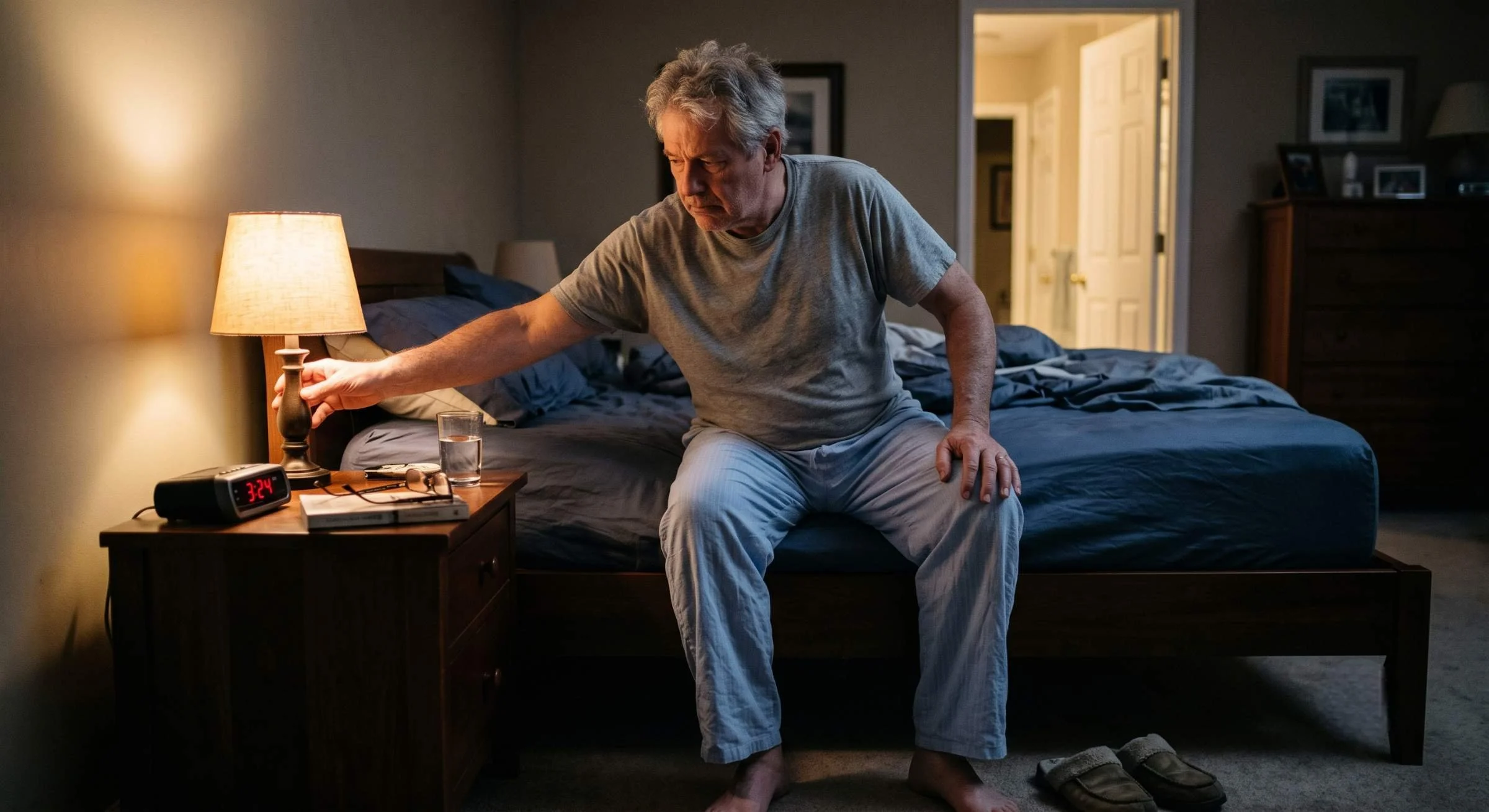
Here is what happens inside sleep as you age. Each night your body moves through cycles of light sleep, deep sleep, and dream sleep. The National Institute on Aging explains that older adults spend less time in deep sleep, so rest tends to be lighter and more broken. You may wake up more often during the night and feel ready for bed earlier in the evening. This is a common part of the changes that come with getting older, not a sign that something is wrong.
How Much Sleep Do You Really Need?
It is a myth that older people need less sleep. Adults over 60 still need about seven to nine hours each night, the same as younger adults. What changes is the timing and depth, not the total amount. If you feel tired all day or it is a struggle to go to sleep at night, that is worth paying attention to.
Why Older Adults Struggle to Go to Sleep
Many things can make it hard to fall asleep or stay asleep later in life. Health conditions, pain, medicines, stress, and mood can all get in the way. Often more than one cause is at work at the same time.
Common Sleep Problems
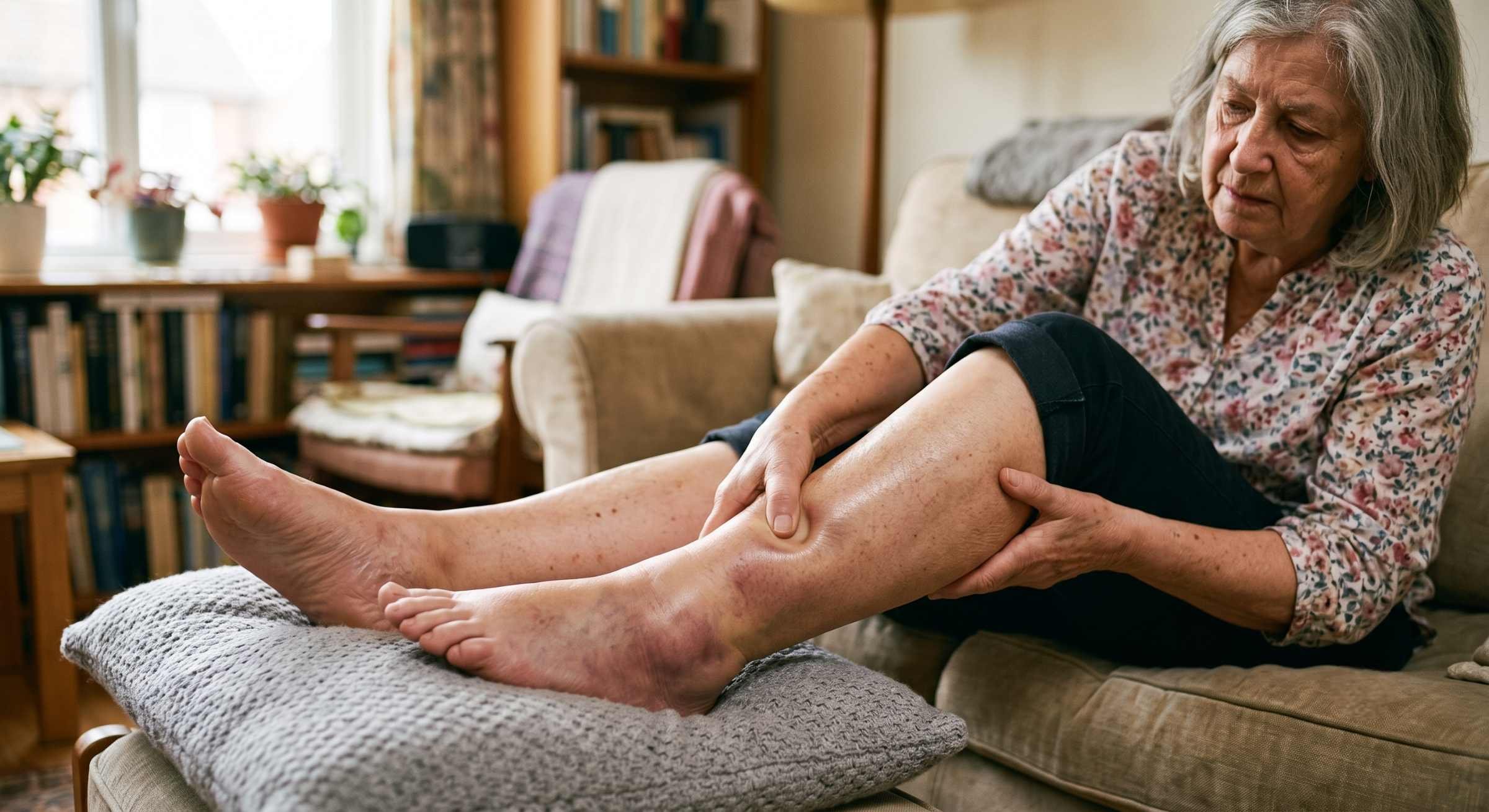
Insomnia is the most common sleep problem in adults age 60 and older. People with insomnia have trouble falling asleep or staying asleep at least three nights a week. Other sleep problems become more common with age too, such as sleep apnea, which causes breathing to stop and start during the night, and restless legs syndrome, which brings a crawling feeling in the legs that is worse at night. Snoring with pauses in breathing is a sign of sleep apnea and is worth a talk with your doctor.
The Toll of Sleep Deprivation
Going without enough rest adds up fast. Over time, sleep deprivation can raise your risk of high blood pressure, heart disease, and diabetes. Poor sleep can also lead to memory trouble, low mood, more stress in relationships, and a higher chance of falls or accidents. Getting good rest is not a luxury. It protects both your body and your mind.
A Simple Bedtime Routine for Better Sleep
A calm, steady routine is one of the most powerful tools for better sleep. You do not need anything fancy. The goal is to send your brain the same signals at the same time each night, so it learns when to relax.
Set a Steady Sleep Schedule
Going to sleep and waking up at the same time every day, even on weekends, is a top tip from Mayo Clinic. Being consistent keeps your body clock on track. If you do not fall asleep within about 20 minutes of getting into bed, get up and do something calming in low light, then return to bed when you feel sleepy. Keep your wake-up time steady no matter how the night went.
Wind Down With Calming Habits
There are simple things to do before sleep to sleep better. Pick a few quiet habits and repeat them each night so they become a signal for rest:
• Read a book or listen to soft, soothing music
• Take a warm bath or shower about an hour before bed
• Try slow breathing, gentle stretching, or a short meditation
• Write down tomorrow's worries and to-do list, then set them aside
• Dim the lights and turn off the TV, phone, and tablet
Screen light in the evening can make it harder to fall asleep, so try to keep devices out of the bedroom. Calm activities before bed help your mind slow down and let sleep come more easily.
Make Your Bedroom a Sleep Zone
Your room should invite rest. Keep it cool, dark, and quiet, and set the temperature so it is not too hot or cold. Room-darkening shades, earplugs, or a small fan can help block light and noise. Save the bed for sleep so your brain links it with rest, not screens or worry.
Daytime Habits That Help You Sleep at Night
What you do during the day shapes how well you sleep at night. A few daytime choices are among the simplest ways to get a better night sleep. Sunlight, movement, and smart timing with food and drinks all tell your body when to be awake and when to rest.
Food, Drinks, and Timing
Avoid caffeine late in the day, since coffee, tea, chocolate, and soda can keep you awake for hours. It is best to skip alcohol before bed, because even a small amount can disturb sleep later in the night. Try not to eat large meals or drink a lot of liquid within two to three hours of bedtime, so heartburn and late bathroom trips do not wake you.
Move Your Body and Catch Some Daylight
Regular exercise helps you sleep more deeply, but try to finish workouts at least three hours before bed. A daily walk and some time outside in natural light also help keep your body clock steady. Limit naps to no more than an hour, and avoid napping late in the afternoon or evening so you are tired at bedtime.
Natural, Gentle Ways to Relax
Some older adults prefer drug-free ways to ease the tension that keeps them up. Gentle approaches like acupuncture, herbal support, nutrition guidance, and physical therapy can help calm the body and manage the aches that disturb sleep. A practice such as Comprehensive Natural Healthcare in Encino offers these services through home visits, office visits, or televisits, which makes it easier to work relaxation into your routine.
When to Get Help for Sleep Problems
A rough night now and then is normal. But if trouble sleeping happens often, lasts more than a few weeks, or leaves you worn out during the day, it is time to get help. Please help me sleep better is a common thing people tell their doctor, and there are real answers.
Warning Signs Worth a Doctor Visit
Talk with a doctor if you snore loudly with pauses in breathing, feel very sleepy during the day, or cannot fall or stay asleep most nights. A doctor can check for causes, review your medicines, and screen for depression or memory concerns that affect rest. Sabita Malla, MD, who focuses on geriatric and internal medicine care in Santa Clarita, offers this kind of full evaluation, including memory and depression screening. Keeping a two-week sleep diary before your visit can help your doctor find the pattern faster.
A Word on Sleep Aids
It is tempting to reach for a sleep aid, but talk with your doctor first. Sleep medicines may help for a short time, but they carry risks for older adults, including next-day grogginess, falls, and the chance of becoming dependent on them. They should not be used long term. For lasting help, healthy bedtime habits and a type of counseling called cognitive behavioral therapy for insomnia often work better than pills.
FAQ
-
A 70-year-old needs about seven to nine hours of sleep each night, the same as younger adults. It is a myth that older people need less sleep. The timing may shift earlier, but the total amount your body needs stays about the same.
-
Sleep gets lighter with age, so older adults wake up more often and spend less time in deep sleep. Health issues, pain, medicines, stress, and sleep disorders like insomnia or sleep apnea also make it harder to stay asleep. Often several of these causes are at work together.
-
The best first step is healthy sleep habits, like a steady schedule, a calm bedtime routine, and a cool, dark room. A counseling method called cognitive behavioral therapy for insomnia is very effective and works better long term than sleeping pills. Talk with a doctor before trying any sleep medicine.
-
When nighttime sleep is light and broken, older adults often feel tired and nap during the day. Some health conditions and medicines can add to daytime sleepiness. Limiting naps to under an hour and getting daylight and activity can help you sleep better at night instead.
-
Natural options include a regular sleep schedule, a warm bath, gentle stretching, less caffeine and alcohol, and daytime exercise and sunlight. Some people also use drug-free approaches like acupuncture or relaxation to ease tension. If sleep problems continue, check with a doctor before adding supplements, since they can interact with other medicines.
You May Also Like