Up All Night to Urinate? Understanding an Enlarged Prostate
Table of Content
An enlarged prostate, also called benign prostatic hyperplasia (BPH), is when the prostate gland grows bigger than normal. This growth is not cancer. It is very common as men get older, and it can press on the tube that carries urine out of the body. That pressure is what leads to bathroom problems, like getting up several times at night to pee. The good news is that an enlarged prostate is very treatable, and most men feel much better once they get help.
If broken sleep and constant bathroom trips are wearing you down, you do not have to wait weeks to be seen. With Doctor2me, a doctor can come to your home the same day, so you can skip the crowded waiting room and the risk of catching an infection. You can even choose your own doctor through the Doctor2me provider network and have the visit happen right at your kitchen table.
What Is an Enlarged Prostate?
The prostate is a small gland, about the size of a walnut. It sits just below the bladder and wraps around the urethra, the tube that carries urine and semen out of the body. The prostate keeps growing slowly through most of a man's life. When it grows enough to squeeze the urethra, urine flow slows down and symptoms start.
How the Prostate Affects Urination
As the gland presses on the urethra, the bladder has to work harder to push urine through the narrow tube. Over time, the bladder muscle can grow thicker and more sensitive. It may squeeze even when it holds only a little urine, which is why many men feel a sudden, urgent need to go. If the bladder can never empty all the way, some urine is always left behind. This is one of the main effects of an enlarged prostate on the body.
How Common Is It?
An enlarged prostate is one of the most common health issues in older men. Experts estimate that BPH affects about 5% to 6% of men ages 40 to 64, and 29% to 33% of men 65 and older, which makes it the most common prostate problem in men over 50, according to the National Institute of Diabetes and Digestive and Kidney Diseases. By age 60, about half of men show some signs of the condition, and by age 85, about 9 out of 10 do. It rarely causes symptoms before age 40.
Symptoms of an Enlarged Prostate
The symptoms of an enlarged prostate are mostly about how you urinate. They tend to come on slowly and get worse over months or years. Sometimes they stay the same, and once in a while they even improve on their own.
Common Urinary Symptoms
The most common signs include:
A frequent or urgent need to pee during the day
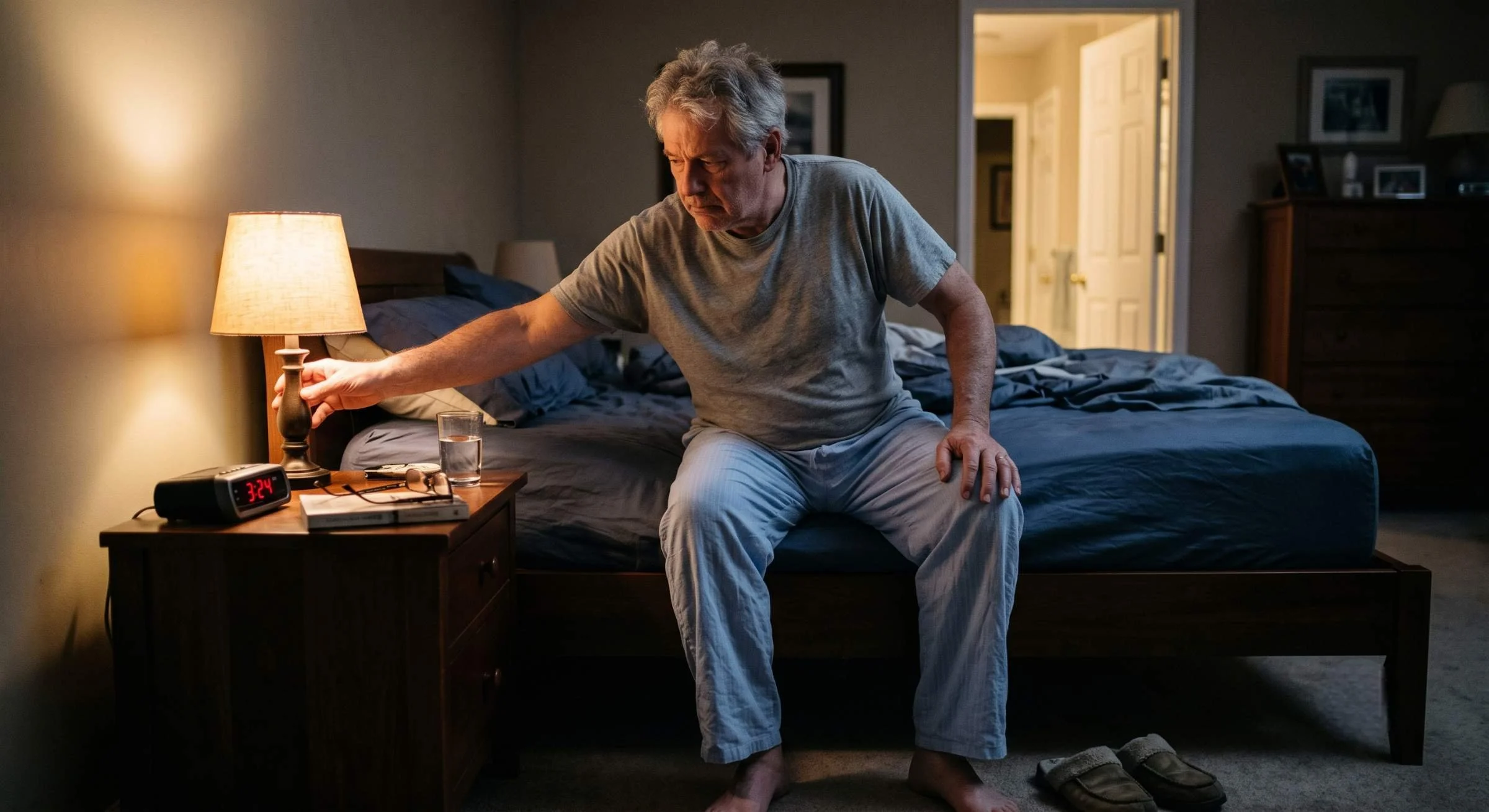
Getting up more than once at night to pee, which doctors call nocturia
Trouble starting the stream, or having to push or strain
A weak stream, or one that stops and starts
Dribbling at the end of urination
A feeling that the bladder is not fully empty
Pain during or right after peeing
The size of the prostate does not always match how bad the symptoms are. Some men with a slightly enlarged prostate have major symptoms, while others with a very large prostate have few problems at all.
When to See a Doctor Right Away
Talk with a doctor about any urinary symptoms, even mild ones, because other problems like a urinary tract infection or bladder trouble can feel the same. Get medical help right away if you cannot pee at all, see blood in your urine, or have pain in your lower belly along with fever and chills. Because an enlarged prostate often shows up alongside other issues like diabetes or heart disease, it helps to see a doctor who looks at the whole picture. An internal medicine and geriatric physician such as Sabita Malla, MD, who manages chronic conditions and can review urinary symptoms during a visit, is one example of the kind of care that suits older men well.
What Causes an Enlarged Prostate?
Doctors are not fully sure why the prostate grows. Most believe it is tied to the normal changes of aging. As men get older, the balance of sex hormones in the body shifts, and this shift seems to make prostate cells multiply. Because the gland keeps growing through life, more and more men develop symptoms as the years pass.
Who Is Most at Risk
Some men are more likely to deal with an enlarged prostate than others. According to Mayo Clinic, the main risk factors are:
Age: symptoms rarely appear before 40, then the risk climbs steadily after that
Family history: having a close relative with prostate problems raises your risk
Diabetes and heart disease: both are linked to a higher chance of BPH
Lifestyle: obesity raises the risk, while regular exercise can lower it
Knowing your own risk of an enlarged prostate helps you and your doctor watch for early changes. If you have several of these risk factors, it is worth asking how often you should have your prostate checked.
The Effects of an Enlarged Prostate on the Body
Most of the time, an enlarged prostate is a quality-of-life problem rather than a dangerous one. Still, if it is left untreated for a long time, the effects of an enlarged prostate can reach beyond the bathroom and cause real harm.
Bladder and Kidney Problems
When urine cannot flow freely, a few problems can build up over time:
Urinary retention, which means you suddenly cannot pee and may need a tube to drain the bladder
Urinary tract infections from urine that sits in the bladder too long
Bladder stones, which can cause pain, bleeding, and blocked flow
A stretched, weakened bladder that no longer squeezes well
Kidney damage from the backup of pressure and infection
If the bladder cannot empty, a doctor may place a thin, soft tube called a catheter to drain it. Home medical equipment companies such as Medlife Medical Supply provide this kind of durable medical equipment, so men recovering at home can get the supplies they need without extra trips out. Treating an enlarged prostate early lowers the chance of these more serious effects.
Enlarged Prostate vs. Prostate Cancer
Many men worry that an enlarged prostate means cancer. It does not. BPH and prostate cancer are two separate conditions, even though they can cause some of the same urinary symptoms. Knowing all about prostate cancer helps you tell the two apart and know when to get checked.
How the Two Differ
As the prostate grows with age, it can narrow the urethra and slow urine flow. This is BPH, and it is not the same as prostate cancer, notes the Centers for Disease Control and Prevention. Having an enlarged prostate does not raise your risk of getting prostate cancer. The main difference is that BPH stays in the prostate and is not cancer, while prostate cancer is a growth of abnormal cells that can spread to other parts of the body if it is not caught. A man can also have both at the same time, which is why symptoms should always be checked.
Screening and Early Signs
Early prostate cancer often causes no symptoms at all, so screening matters. As it grows, an enlarged prostate cancer can share signs with BPH, such as a weak stream, trouble peeing, or a frequent need to go. Later signs can include blood in the urine or semen, and pain in the back, hips, or pelvis. Talk with your doctor about when prostate screening is right for you, especially if you are Black or have a family history of prostate cancer, since those groups may need to start earlier.
How to Treat an Enlarged Prostate
There is no single answer for how to treat an enlarged prostate. The right choice depends on how bad your symptoms are, the size of your prostate, and your overall health. Enlarged prostate treatment ranges from simple daily habits all the way to surgery, so most men can find an option that fits.
Lifestyle Changes and Watchful Waiting
If symptoms are mild, your doctor may suggest watchful waiting, which means regular checkups to make sure things do not get worse. Simple habits can ease symptoms at the same time:
Drink less fluid in the evening and before going out
Cut back on alcohol and caffeine, which irritate the bladder
Empty your bladder fully, and go when you first feel the urge
Stay physically active, since exercise supports prostate and bladder health
Drugs Used for an Enlarged Prostate
When habits are not enough, medicine is often the next step. The main drugs used for an enlarged prostate fall into a few groups, as explained by Cleveland Clinic:
Alpha blockers relax the muscles in the prostate and bladder neck so urine flows more easily; these often work within days
5-alpha reductase inhibitors slowly shrink the prostate over weeks to months, which is one way medicine can help shrink an enlarged prostate
Combination pills use both types together for men with larger prostates
It can take anywhere from one to eight weeks to feel the full effect, so patience helps. Tell your doctor about any side effects, since the dose or drug can be changed.
Procedures and Surgery
If medicine does not help, or symptoms are severe, a procedure may be the best way to treat an enlarged prostate and shrink the tissue blocking the urethra. Minimally invasive options, often done the same day, include a prostatic urethral lift, which uses tiny implants to hold the prostate open, and water vapor therapy, which uses steam to shrink extra tissue. For larger prostates, surgery such as transurethral resection of the prostate (TURP) removes the tissue that blocks flow. Your doctor can explain which option fits your case.
Supplements and Prevention for an Enlarged Prostate
Many men ask whether they can lower their risk or ease symptoms without medicine. Habits help, and some men also look into enlarged prostate supplements. It is smart to be careful and to talk with a doctor first, since supplements can interact with other pills.
Enlarged Prostate Supplements People Ask About
A few plant-based enlarged prostate supplements are often discussed for prostate and heart health, including beta-sitosterol, pygeum from African cherry tree bark, flaxseed, and pumpkin seed oil. Research on them is mixed, and they are not a replacement for medical care. Always check with your doctor before starting any supplement, because it may react with medicines you already take.
Habits That Lower Your Risk
You cannot fully prevent an enlarged prostate, but a healthy lifestyle may slow it down and protect your bladder. Getting about 30 minutes of activity most days, eating more fruits and vegetables, and keeping your blood pressure, blood sugar, and weight in a healthy range all support prostate health. These same habits are good for your heart, so they are worth building into your routine.
FAQ
-
There is no single best treatment, because it depends on your symptoms, the size of your prostate, and your health. Mild cases may only need lifestyle changes and checkups, while stronger symptoms often improve with medicine. Severe cases may need a minimally invasive procedure or surgery, which your doctor can help you choose.
-
Doctors are not fully sure, but they believe it is tied to normal aging and shifts in sex hormones over time. The prostate keeps growing through life, so more men develop it as they get older. Family history, diabetes, heart disease, and obesity can raise the risk.
-
Yes. Most men live full, normal lives with an enlarged prostate, especially once symptoms are managed. Simple habits, medicine, or a quick procedure can control the bathroom problems, and the outlook is very good.
-
You cannot fully prevent it, but healthy habits may slow the growth and protect your bladder. Regular exercise, a diet rich in fruits and vegetables, and healthy blood pressure, blood sugar, and weight all help. Talk with your doctor about how often to have your prostate checked.
-
No. An enlarged prostate, or BPH, is not cancer and does not raise your risk of prostate cancer. The two conditions can share symptoms, though, so any urinary changes should be checked so cancer can be ruled out.
-
Early prostate cancer often has no symptoms, which is why screening matters. As it grows, signs can include a weak or interrupted stream, trouble peeing, a frequent need to go, or blood in the urine or semen. Later signs may include pain in the back, hips, or pelvis.
You May Also Like