The Best Type of Exercise for Weight Loss
Table of Content
The best exercise for weight loss is a mix of cardio and strength training, done consistently. Cardio burns the most calories, while strength protects muscle and raises your resting burn.
Two facts shape any plan. The CDC (2026) recommends adults get at least 150 minutes of moderate activity a week, plus two days of strength work. It also notes that most weight loss comes from eating fewer calories, while regular activity is what keeps the weight off. So exercise and diet work best as a team.
What Is the Best Type of Exercise for Weight Loss?
Cardio and Strength Do Different Jobs
The best plan blends cardio and strength training, because each does a different job. Cardio drives calorie burn during your workout, while strength training builds muscle that helps your body burn more even at rest. You do not have to pick one. They work best together, and the right mix is the one you can keep up week after week.
Match the Plan to Your Goal
Match the plan to your goal. If you want to burn calories fast, lean toward cardio like brisk walking, running, or cycling. If you want to stay strong and toned as you slim down, make room for weights. If you are new to exercise, a daily walk plus two short strength sessions is a simple, strong base you can build on over time.
Consistency Beats Intensity
Consistency matters more than intensity. A routine you enjoy is one you will actually repeat, and steady effort is what moves the scale over months. Any movement helps, too, so do not overthink it. Gardening, dancing, and playing with kids all count, which means the label on the activity matters far less than doing it often. Small habits, repeated, beat big bursts that fizzle out after a week.
Cardio vs Strength Training: Which Burns More Calories?
How Much Cardio Burns
Cardio burns more calories during the workout itself. Cleveland Clinic (2024) reports that a 150-pound person burns about 476 calories an hour at a jog, with running, cycling, and swimming leading the pack. That makes cardio a fast way to open the calorie gap that drives weight loss, especially when you are short on results and want momentum.
How Strength Training Pays Off Later
Strength training burns fewer calories in the moment, but it pays you back later. Cleveland Clinic (2025) explains that a hard strength session can keep your body burning extra calories for up to 48 hours afterward, an effect called EPOC. Muscle also burns more calories than fat, even while you rest, so building it supports your metabolism.
There is another reason to keep weights in the plan. When you lose weight by eating less, some of the loss can come from muscle rather than fat. Strength training helps protect that muscle, so more of what you lose is fat. That keeps your metabolism steadier and your body stronger as the pounds come off. That is why weights belong in a weight-loss plan, not only a muscle-building one.
Calories Burned by Common Workouts
The table below compares common workouts by what they are good for and roughly how many calories they burn. These figures come from Cleveland Clinic (2024) and are for a 150-pound person. You will burn more if you weigh more and less if you weigh less, so treat them as a guide rather than an exact count.
|
Exercise |
Good For |
Approx. Calories per Hour (150 lb) |
|---|---|---|
|
Brisk walking |
An easy daily habit, gentle on joints |
About 224 at 3 mph, 340 at 4 mph |
|
Running or jogging |
The most calories in the least time |
About 476 for a jog, more as you speed up |
|
Cycling |
Low-impact cardio you can do outdoors or indoors |
About 272 to 544, depending on pace |
|
Swimming |
A full-body workout that is easy on joints |
About 476 to 680 |
|
Strength training |
Protecting muscle and an after-workout burn |
About 204 to 408, plus a lasting afterburn |
|
Jumping rope or HIIT |
A time-saving mix of cardio and effort |
About 544 to 816 while jumping rope |
Which Wins for Fat Loss?
So which wins for fat loss? Neither on its own. Cleveland Clinic (2024) points out that the best calorie-burning workout is the one you will actually do, so a plan with both cardio and strength gives the best all-around results. Your body weight also shifts the math, since a heavier person burns more doing the same activity.
How Much Exercise You Need to Lose Weight
How Many Minutes per Week
For weight loss, aim higher than the bare minimum. The WHO sets the adult baseline at 150 minutes of moderate activity a week, or 75 minutes of vigorous activity, plus two strength days. Working up toward 300 minutes a week can help with weight loss, though any amount is better than none, so build gradually.
Moderate vs Vigorous Intensity
Intensity changes the math. Moderate activity means you can talk but not sing, like a brisk walk, while vigorous means you are breathing too hard to chat, like jogging. Because harder work counts for more, about 75 vigorous minutes equal roughly 150 moderate minutes. Start where you are, then add a little time or effort each week.
Why Diet Still Matters Most
Diet still does the heavy lifting. The CDC (2026) is clear that most weight loss comes from eating fewer calories, while regular activity is what keeps the weight off for the long term. Pairing the two is far more effective than either one alone, so plan your meals with the same care you give your workouts. It helps to picture movement and meals as two halves of the same goal.
Walking for Weight Loss, and How Many Steps a Day
Walking can absolutely help you lose weight, especially paired with healthier eating. Mayo Clinic (2024) notes that adding 30 minutes of brisk walking to your day burns about 150 extra calories, and you burn more if you walk longer or faster. It is low-impact and easy to start, which makes it a great first step.
There is no magic step count that fits everyone. Many people use a daily step goal for motivation, which is fine, but what matters more is moving most days.
Get More From Each Walk
Small changes make walking add up. Park farther away, take the stairs, or add a lap after lunch, since short bouts still count toward your weekly total. To make walks harder without more time, pick up the pace or add hills. Pair walking with two short strength sessions to protect muscle while you lose fat. Even a short daily walk builds a habit you can grow from.
HIIT for Fat Loss and Belly Fat
High-intensity interval training, or HIIT, is a time-saving way to burn fat by mixing short, hard bursts with easy recovery. Cleveland Clinic (2023) notes that HIIT can burn more calories in less time and can help lower body fat, which makes it useful when your schedule is tight and you still want results.
You can do HIIT with running, cycling, or bodyweight moves, and jumping rope is an easy way to turn a workout into intervals. Two or three short sessions a week are plenty, since the intensity means your body needs recovery days in between. The word high is relative here, so you set the effort where it works for you.
A quick word on belly fat: no exercise burns fat from just one spot. Crunches build ab muscles, but they will not melt the layer on top of them. Belly fat shrinks as you lose overall body fat, so a steady mix of cardio, strength, and better eating is the most reliable path to a smaller waistline. Focus on the whole picture, and the middle tends to follow.
A Simple Weight-Loss Workout Plan
A Sample Weekly Plan
A good weight-loss workout plan is balanced and realistic. Blend cardio you enjoy with two strength days, let walking fill the gaps, and spread the sessions across the week so no single day feels overwhelming. Mixing hard and easy days keeps you fresh, and a plan you look forward to is one that lasts for months, not a week.
A simple weekly starting point might look like this:
150 minutes of cardio, such as five 30-minute brisk walks
Two full-body strength or resistance sessions on non-back-to-back days
One optional short interval workout if you want a challenge
Rest days, gentle stretching, and plenty of sleep
Warm Up, Cool Down, and Rest
Warm up before you push hard, and leave time to cool down, since a few easy minutes at each end lowers your risk of soreness and injury. Rest days matter just as much, because muscles rebuild when you recover rather than while you train. Listen to your body and take an extra day when you need it.
Support With Food and Recovery
Food is the other half of the plan, and support helps it stick. Comprehensive Natural Healthcare in Encino offers nutrition guidance and physical therapy, which can help you eat well and move safely as you lose weight. Pairing your workouts with better eating gives faster, steadier results than exercise on its own. Simple, steady changes to your plate tend to last longer than strict diets.
If a health issue makes exercise feel risky, do not push through it alone. You can have a doctor come to your home to check you over and help you start at a safe level. It is a simple way to build confidence before you begin, and it can catch problems early so you avoid setbacks.
Track Progress and Loop In Your Doctor
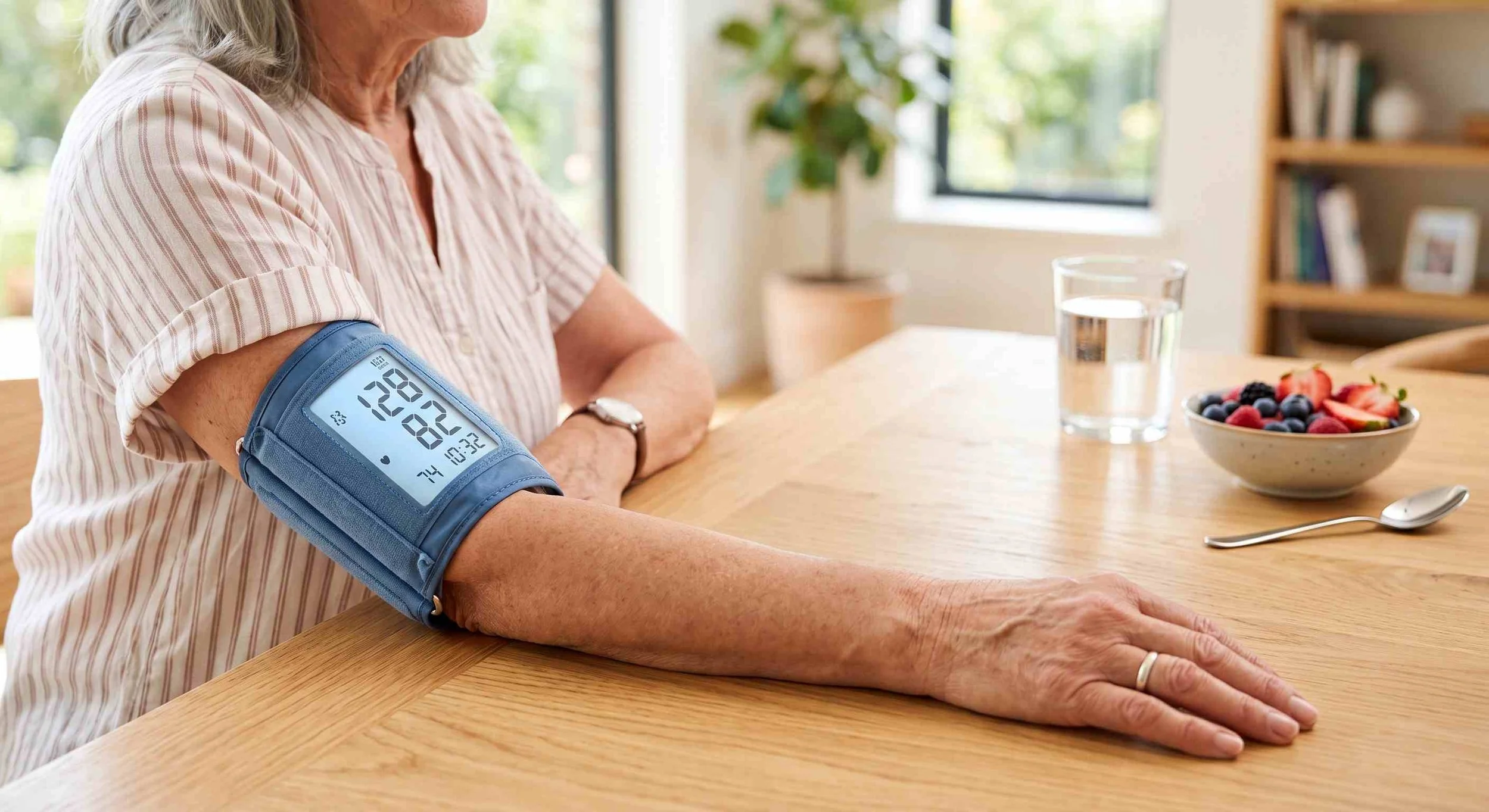
It also helps to track your progress and your health along the way. Tools in our guide to smart home health monitoring can log weight and blood pressure, so you and your doctor can spot changes early. If you have a chronic condition, loop in your regular primary care team before you ramp up, and note that some programs ask for a quick sports physical or medical note first.
Above all, be patient with yourself. Weight loss is rarely a straight line, and some weeks the scale will barely move even when you are doing everything right. That is completely normal, so try not to get discouraged by it. Keep showing up, celebrate small wins, and the habits you build will carry you over time. Progress you can sustain always beats a fast start you cannot keep.
FAQ
-
Not on their own. You cannot target fat loss in one spot. Belly fat shrinks as you lose overall body fat through a mix of activity and eating fewer calories.
-
Either order works, so pick what feels best. If strength is your main goal, lift first while you are fresh. If endurance matters more, start with cardio.
-
It varies from person to person. Many people feel more energy within a couple of weeks, while visible weight change usually takes longer and depends a lot on eating habits.
-
No. Walking, bodyweight moves, and household items can all work. A gym adds options, but it is not required to be active and lose weight.
-
It is hard. Most weight loss comes from eating fewer calories, and exercise works best paired with healthy eating. Activity is key for keeping the weight off.
-
It is a good idea, especially if you have a health condition or have not exercised in a while. A quick check helps you start at a safe level.

Written by Sofiia Puhach
Published · Updated
You May Also Like