
Bedridden After an Injury or Surgery: Getting a Doctor to Come to You
Table of Content
Someone who is bedridden after an injury or surgery does not have to travel for care. A clinician can come to the house instead.
The first days at home set the tone. Skin needs turning every couple of hours, legs lose strength faster than most families expect, and someone has to arrange the help and the equipment. Lying still brings its own problems, and most of them can be prevented.
What Bedridden Actually Means at Home
Bedridden means a person cannot get out of bed on their own, or cannot do it safely without help. Nobody is diagnosed as bedridden; it describes what someone can manage on a given day.
People arrive there from different directions. A broken hip, a long operation, a spinal injury, or a stretch of ordered bed rest can all end with the same picture: someone who needs meals, the bathroom and a follow-up appointment brought to them.
How long it lasts varies a lot. Some people are back on their feet within a week, and others spend months moving in and out of bed. Either way the risks start on the first day, so the plan should not wait until the second week.
What to Do If You Cannot Get to the Doctor's Office
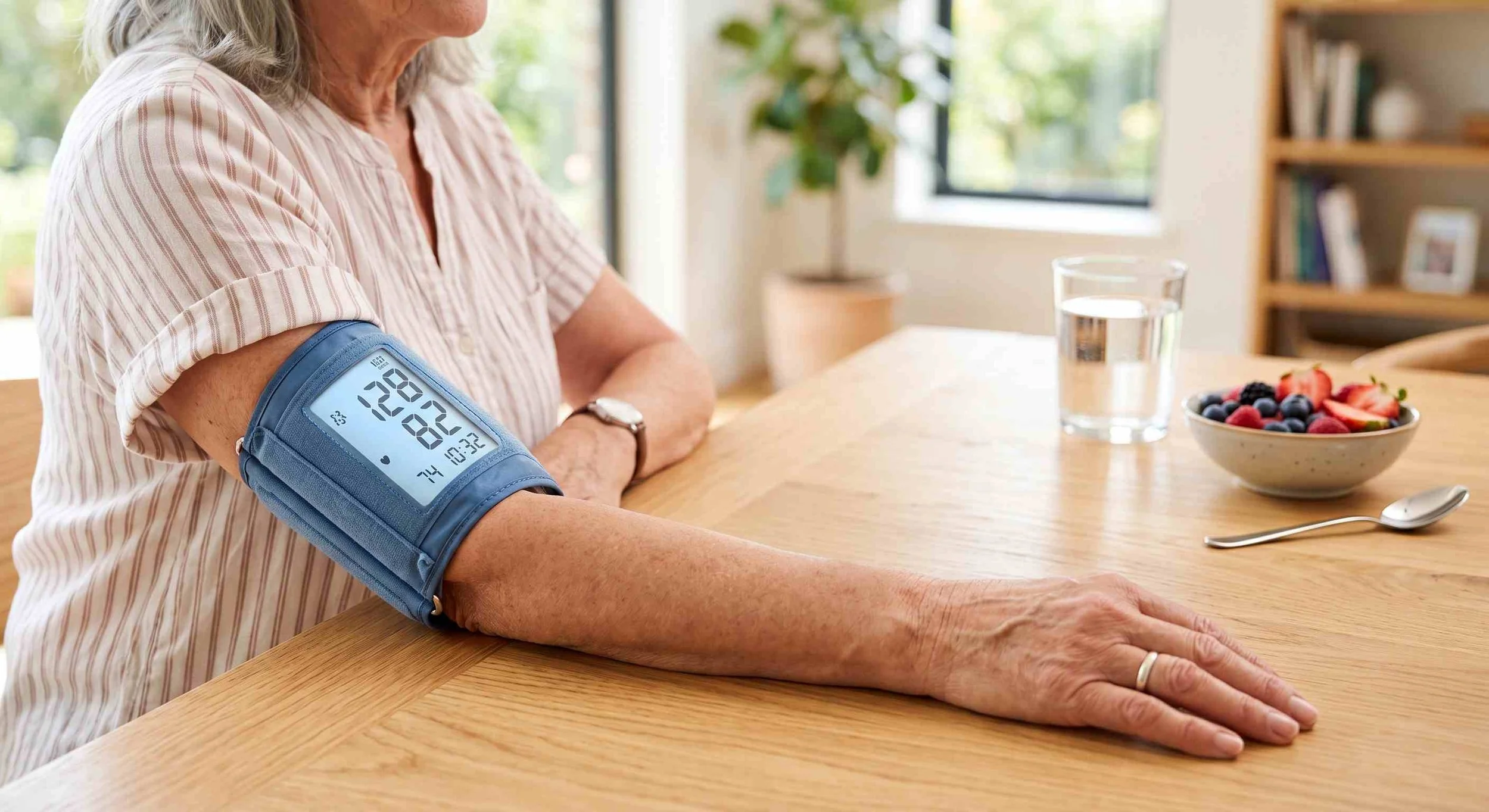
Ask for the appointment to happen at home. A clinician can examine someone, look at the wound, check blood pressure and order tests in the bedroom.
Cancelling the follow-up is the option that costs the most. The visit after surgery or a fall is where a wound infection, a blood pressure problem, or a prescription that no longer suits the person gets picked up early, while it is still small.
What a Visit at Home Can Cover
A doctor who visits patients at home can handle most routine follow-up: the incision, swelling, appetite, sleep, bowel habits, and whether the person is drinking enough. The hospital discharge nurse or the person's own practice can usually say who covers house calls in the area.
Video visits fill part of the gap and not all of it. A camera cannot press on a belly, look properly under a dressing, or take blood pressure lying down and standing up. For a person who cannot travel, an in-person look still answers more.
Who Comes to the Home, and How to Arrange It
Several different people come to the door, and their jobs do not overlap as much as families assume.
The National Institute on Aging describes home health care as covering medicines, wound care, medical equipment and physical therapy, with a provider who may come for a few hours a day or stay around the clock. It also notes that when someone has just left the hospital and still needs nursing care at home for a short time, the hospital can help arrange a home health aide.
So the first call is often to the discharge planner rather than to an agency. That person knows which agencies are certified, which ones have room this week, and what the doctor has already ordered. They can also say in writing which services were approved, which saves an argument later when the bill arrives.
Nursing, Therapy and Daily Care
Skilled nursing covers dressings, injections, drains and infusions. Across Los Angeles, Ventura and the neighboring counties, 911 AM PM Home Health care is one agency whose in-home services include skilled nursing, physical therapy, occupational therapy and intravenous infusions for people recovering at home.
Therapy is the part that shortens the whole episode. A physical therapist works on sitting, standing and walking within the limits the surgeon sets. An occupational therapist works on dressing, washing and the trip to the toilet, which is usually what decides whether someone can stay home.
Aides and caregivers carry the rest of the day: bathing, meals, laundry, turning and company. When fluid or medicine has to go in through a vein, a nurse does it on a clinician's order, and what an infusion visit at home involves is set out separately.
The table below puts the roles side by side so you can see who to call for what, and who has to order it.
|
Who Comes |
What They Do |
Who Orders It |
|---|---|---|
|
House-call clinician |
Exam, follow-up after surgery, tests, prescriptions |
You, or the person's own practice |
|
Home health nurse |
Wound care, injections, infusions, monitoring |
A doctor's order, through a certified agency |
|
Physical or occupational therapist |
Getting up, walking, dressing, bathroom safety |
A doctor's order, usually with the nursing referral |
|
Home health aide |
Bathing, grooming, feeding, changing bed linens |
Ordered alongside skilled care, or paid privately |
|
Caregiver or companion |
Meals, laundry, errands, turning, company |
Arranged and paid for by the family |
|
Equipment supplier or installer |
Hospital bed, patient lift, grab bars, ramps |
You, often after a therapist's recommendation |
What If the Hospital Sent Someone Home and the House Is Not Safe
Say so before the discharge is signed off, and ask for the plan to change. A home that cannot be used safely is a medical problem, not a family inconvenience.
MedlinePlus (2025) sets out what a usable ground floor looks like: a bed on the entry floor, a bathroom or portable commode on the same level, supplies stored between waist and shoulder height, and a phone within reach. It adds that if nobody can help for the first one or two weeks, you can ask the provider about a trained caregiver who will also check the safety of the home.
Fixing the Route From Bed to Bathroom
Some of the work is small and same-day. Loose rugs come up, cords move behind furniture, night lights go in the hallway and bathroom, and a firm-backed chair goes in every room the person uses. Nobody should be carrying anything while they walk, because both hands are needed for balance.
Other jobs need tools and a few minutes of care. Grab bars belong screwed into the wall framing, set vertically or horizontally rather than diagonally, and a towel rack will never hold a person's weight. Non-slip mats go inside the tub and on the floor outside it, and a shower chair needs rubber tips on all four legs.
Bigger changes take a visit from someone who installs them. Call Before You Fall works across the San Fernando Valley, Santa Clarita and Ventura County on free home assessments, stairlifts, ramps, patient lifts and bathroom modifications, which is the category of work that decides whether a bedroom and a bathroom are actually connected.
Who Pays for a Doctor Visit at Home?
It depends on the service and on the insurance, so the amount has to be asked about before anyone drives out.
The National Institute on Aging (2023) is plain about the money side of home care: home health services charge by the hour, Medicare's coverage is limited and applies to short-term care from agencies it has certified, Medicaid coverage exists but varies by state, and most private health insurance plans do not cover these costs. Whatever is left over is paid by the family.
What to Ask Before the First Visit
A clinician's visit and a course of home health are billed as different things, so ask about each one separately. Ask what a single visit costs, whether the service bills insurance at all, what happens if more than one visit is needed, and who to call at night.
Help with the organizing part is free in most places. The same page points families to the Eldercare Locator, reachable at 800-677-1116, which finds in-home help and transportation locally and can explain the options for paying for care. A call there before you start ringing agencies usually narrows the list down to the ones that serve your address.
How Do You Prevent Pressure Sores in Someone Who Is Bedridden?
Change the person's position, look at the skin, and keep it clean and dry. Those three habits prevent most pressure sores.
The damage starts sooner than people expect. According to Cleveland Clinic (2023), a pressure injury can develop in as little as two hours once pressure cuts off blood flow to the skin, and an estimated 2.5 million Americans develop bedsores every year.
The Two-Hour Habit
MedlinePlus (2025) gives the interval plainly: changing a person's position in bed every 2 hours helps keep blood flowing, keeps the skin healthy and prevents bedsores. Someone sitting up in a wheelchair should shift every 15 minutes instead. Overnight counts too, which is the part most households quietly drop in the first week.
The turn is also the moment to look. The same instructions suggest using it to check the skin for redness and sores, and include the details that save a caregiver's back: get close before you pull, keep the head and neck in line with the spine, make sure ankles, knees and elbows are not resting on each other, and keep the arms out from under the body.
What the Stages Mean
MedlinePlus (2026) groups pressure sores into four stages. Stage I is a reddened, painful patch that does not turn white when pressed. Stage II blisters or opens into a shallow sore. Stage III sinks into a crater with damaged tissue underneath. Stage IV reaches muscle and bone.
Two kinds do not fit the stages. A sore covered in yellow, tan, green or brown dead skin cannot be graded until that tissue is gone. A dark purple or maroon area, sometimes with a blood-filled blister under the skin, is a deep tissue injury and can become a stage III or IV sore quickly.
Habits That Make a Sore Worse
Do not massage the skin on or next to a sore, because it causes more damage. Do not use donut-shaped or ring-shaped cushions, which cut blood flow to the area in the middle. Do not clean a sore with harsh antiseptics unless a provider has asked for it, since some of them hurt the skin they are meant to protect.
Infection is the part to watch rather than the sore itself. A foul smell, pus, redness and tenderness at the edges, warm or swollen skin nearby, or a fever all mean a call the same day. In an older adult the fever often never arrives, which is why it helps to know that infection does not always come with a temperature before it happens.
Bedridden Muscle Atrophy: What Bed Rest Costs in Strength
Muscles begin to shrink within a few weeks of not being used, and the loss is far easier to prevent than to reverse.
MedlinePlus (2025) calls this physiologic atrophy, the thinning of muscle caused by not using it enough, and lists people who are bedridden among those most affected. It can often be reversed with exercise and better nutrition, and it notes that even minor atrophy costs some movement or strength.
Age adds a second process on top. The pathologic kind of atrophy is the one seen with aging and with poor nutrition, so elderly muscle atrophy during a stretch of bed rest is two things happening at once. In practice that means an older adult usually needs longer to get strength back after the same number of days flat.
What Helps While Still in Bed
Movement counts even when walking is off the table. The same page notes that people who cannot actively move one or more joints can still exercise using a brace or a splint, and that pool work is used later because water reduces the load on the muscle. A therapist decides what is safe for the specific injury.
Food does as much work as movement. Protein and enough fluid give the body something to rebuild with, and appetite is often the first thing to disappear after an operation. An older adult who has quietly stopped drinking can slide downhill fast, and the signs families mistake for dementia tend to arrive before thirst does.
Non Weight Bearing Without Being Flat on Your Back
Non weight bearing means no weight at all through that leg or foot. The instruction covers one limb, and it says nothing about what the rest of the body should be doing.
That distinction is worth repeating in the house, because plenty of people hear it as a sentence to the mattress. The rest of the body can keep working: the arms, the other leg, the trunk, and getting upright with a walker or crutches once a therapist has shown the technique.
Getting the Instruction Right
Surgeons set their own limits and the timeline belongs to them. Recovery after a hip replacement follows a published progression from the first assisted steps through twelve weeks and beyond, which gives a family a rough sense of how quickly restrictions usually lift.
Write the restriction down and keep it where everyone can see it. Toe-touch, partial weight bearing and non weight bearing are three different instructions, and a household that only remembers "do not walk on it" tends to get it wrong in both directions.
The First Time Back on Their Feet
The first attempts carry the most risk, because the legs are weaker than the person believes they are.
A fall at that point can undo weeks of progress. What to check in the first minutes after a fall covers the part families get wrong most often, which is helping someone up before anyone has looked for an injury.
Setting Up the Room
Clear the route from the bed to the bathroom and leave it clear. Keep a firm chair in each room they use, put a lamp and a phone within reach of the bed, and stand the walker on the side they will turn toward.
Then keep going. Cutting back on walking after a scare is understandable, and it costs more strength and makes the next try harder than the last one. Short, frequent attempts with someone standing alongside do more for the legs than one long walk a day, and they are easier to fit around a nap.
FAQ
-
No. Foam, water-filled or air-filled pads reduce pressure, and the right type depends on the wound and on whether the person is in a bed or a chair. None of them removes the need to change position.
-
No. Towel racks are not built to carry a person's weight and can pull out of the wall. A grab bar has to be anchored into the wall framing and fitted vertically or horizontally.
-
It is worth considering. Small pets that move through a walking route are a common trip hazard, so some families board them or ask a friend to take them until the person is steadier.
-
Not until the dead tissue is gone. Yellow, tan, green or brown dead skin hides the depth, so that kind of sore is recorded as unstageable until a provider can see the base of it.
-
Often not. Dulled sensation means a sore can form without any discomfort, so a daily skin check by someone else matters more, including the areas the person cannot see.
-
Only over intact skin. A light dusting can cut friction between skin and bedsheet, but it should never go near an open wound.
Sources Used
Bedsores (Pressure Injuries) – Cleveland Clinic (2023)
Fall Prevention for Seniors: What to Do Right After a Fall – Dr. Rebecca Cook M.D.
Getting your home ready - after the hospital – MedlinePlus (2025)
How to care for pressure sores – MedlinePlus (2026)
Muscle atrophy – MedlinePlus (2025)
Services for Older Adults Living at Home – National Institute on Aging (2023)
Physical Therapy (Physiotherapy): What It Is & Benefits – Cleveland Clinic (2024)
Occupational therapy – Middlesbrough Council
Eldercare Locator – Us Aging

Written by Sofiia Puhach
October 8, 2026
You May Also Like


Bedridden after an injury or surgery? See who can come to the home, how to set up care, and how to prevent pressure sores.