
IV Fluids at Home: When You Need Them and Who Can Come
Table of Content
IV fluids at home make sense when a person cannot keep liquids down at all. Most other cases of dehydration clear up with small, steady sips.
That line matters because the two situations look alike from the couch. Vomiting all night feels like an emergency either way. The difference is whether any fluid is staying in, and whether the signs point past simple thirst to something that needs a clinician.
The rest of this page walks through the common reasons people search for intravenous hydration: a stomach bug, a rough hangover, severe sickness in pregnancy, and an older parent who is not drinking. It also covers who actually comes to the door, and what the visit looks like.
When Are IV Fluids at Home Actually Needed?
They are needed when fluids by mouth are not possible or not enough. That is a smaller group of people than the ads suggest, and knowing which group you are in saves both money and worry. It also saves a trip you may not need, which matters most on the nights when nobody in the house feels able to drive.
MedlinePlus (2023) describes dehydration treatment in plain steps: replace the fluids and the salts you lost, and for mild cases that often just means drinking water. It also lists the signs that mean urgent help instead, including confusion, fainting, no urine, a racing heartbeat, and fast breathing.
So the useful test is not how bad you feel. It is whether anything is going in and staying in. Someone who throws up once and can then sip is on a different track from someone who brings up every mouthful for twelve hours.
Signs That Point Past Sipping
Watch for very little or no urine over eight hours, dizziness that does not settle when lying down, a dry mouth with no saliva, a fast pulse at rest, and new confusion. In an older adult, confusion and sudden weakness often arrive before thirst does.
Why Older Adults Reach This Point Sooner
Mayo Clinic (2025) notes that older bodies hold less fluid and that the sense of thirst fades with age, which is why dehydration can get serious quickly in seniors. Possible complications include heat injury, urinary tract infections, kidney stones, kidney failure, seizures, and low blood volume shock.
Can an Oral Rehydration Solution Work Instead?
For most people, yes, and it works better than plain water. An oral rehydration solution carries sugar and salts in the ratio the gut absorbs most easily, so fluid moves into the body instead of straight through it. Pharmacies sell it without a prescription.
The trick is the pace. Large gulps on an angry stomach come straight back up, which is why people conclude that nothing works. A spoonful every few minutes, or small frozen chips, usually stays down when a glass will not.
Give it a fair try before calling anyone. An hour of patient sipping tells you a lot about where this is heading. If the volume going in starts to beat the volume coming out, the body will usually do the rest on its own, and the worst of it passes while you sleep.
What If You Cannot Keep Down a Sip of Water With a Stomach Bug?
That is the one situation where IV hydration treatment clearly earns its place. If vomiting blocks every attempt at drinking for several hours, the fluid loss keeps going and nothing replaces it. People describe it the same way every time: they cannot hold down even a mouthful, and each try makes the next one worse.
The usual cause is a short-lived virus. According to the CDC (2024), norovirus is the leading cause of vomiting and diarrhea in the United States, symptoms usually start 12 to 48 hours after exposure, and most people get better within 1 to 3 days. Knowing it is short helps, because the goal is simply to get through it without drying out.
Fluids given through a vein skip the stomach entirely, which is the whole point when the stomach is the problem. People often feel steadier within the hour, though the virus itself still runs its course. Nothing about the drip shortens the illness.
Diarrhea alone can do the same damage more slowly, especially in seniors, and it tends to get less attention because there is no dramatic night to point at. The pattern behind loose stools in older adults is worth knowing, because three quiet days of it often take more fluid out of someone than one bad evening does.
Does Mobile IV Therapy Help a Hangover?
A drip can ease the dry, wrung-out feeling, but most hangovers do not need one. This is where the skepticism many people feel turns out to be well founded, and it comes from doctors too, not just from the comments section under the ads. The short version is that a working stomach can do the same job.
Harvard Health (2024) makes the case directly in its piece on drip bars: people with a hangover, jet lag, or the flu can usually drink the fluids they need, and several conditions marketed for drips are not caused by dehydration in the first place. It also notes the real, if uncommon, risks: an infected injection site, or a vein that becomes inflamed or clotted.
The same article is clear about when intravenous fluids do matter: when the digestive system is not working, when someone needs more fluid than they can swallow, and in serious events like heavy bleeding or overwhelming infection. That is a useful line to hold on to.
So a hangover with a working stomach is a water, food, and sleep problem, and no needle shortens it. A hangover with twelve hours of vomiting behind it is a different question, and it belongs with the stomach bug section above, because at that point the issue is no longer the drinking but the fluid that is gone.
What About Severe Morning Sickness in Pregnancy?
Severe pregnancy sickness is one of the clearest reasons for intravenous hydration, because it can last weeks rather than days. Ordinary nausea in early pregnancy is common and usually manageable at home. This is not that, and being told to try crackers and ginger when you have lost weight is its own kind of exhausting.
Cleveland Clinic (2023) notes that morning sickness affects up to 80% of pregnant people, while hyperemesis gravidarum is the severe form in which vomiting becomes excessive and dehydration sets in. Moderate to severe cases may be given fluids and nutrients through an IV, and some need a hospital stay.
Anyone pregnant who cannot keep fluids down for a day should be talking to their obstetric team, not deciding alone between a drip and waiting it out. Where care happens is their call to make with you, and it changes with how far along you are and how the numbers look.
Who Comes to the House for IV Therapy?
A licensed nurse usually places and runs the line, working from a clinician's order. MedlinePlus (2026) explains that IV treatment at home is prescribed by a provider, and that home health care nurses often come to the house to give it.
The order is the part people skip over. Someone has to decide that fluids through a vein are the right answer, and what should go in the bag. For a one-off dehydration call, that decision can come from a visit at home or from a telehealth consult with the person's own doctor.
Home health agencies cover the nursing side of this. In the Los Angeles and Ventura County area, 911 AM PM Home Health care is one agency whose in-home services include skilled nursing and IV infusions, alongside physical and occupational therapy for people recovering at home.
If what you really need first is an opinion rather than a drip, a doctor who visits at home can examine the person, judge how dry they are, and say whether fluids by mouth will do. That order of operations saves a lot of unnecessary needles.
Is IV Hydration Therapy at Home Safe?
It is generally safe when a licensed clinician does it under a proper order, and the things that go wrong are mostly local and treatable. The honest answer still includes the risks, because a needle in a vein is a real procedure and not a spa service.
MedlinePlus (2026) lists what to watch for: skin damage if fluid leaks into the surrounding tissue, swelling in the vein that can lead to a clot, and rarely an allergic reaction or air entering the line. Redness, swelling, or bruising at the site, or a fever of 100.5°F or higher, means calling the provider.
Breathing trouble, a racing heart, dizziness, or chest pain during or after an infusion is a 911 call, not a wait-and-see. Say this out loud to whoever is staying with the person, because the one who notices is usually the family member in the room.
Questions Worth Asking Before Booking
Ask who will place the line and what license they hold. Ask which clinician wrote the order and whether anyone reviews the person's medical history first. Ask what is actually in the bag, and what happens if the person reacts badly. A service that answers all four plainly is a reasonable bet.
What Affects the Cost of IV Hydration Treatment?
Price depends on who comes, what is ordered, and how fast you need them. Rates vary widely by city and by service, so any specific figure printed here would be guesswork within a week. The factors behind the number, though, stay the same wherever you are, and knowing them makes a quote easier to read.
Expect the biggest swings from the clinician's time, travel to your address, and whether the visit is scheduled or same-day in the evening. What goes into the bag changes it too, since plain fluid costs less than a bag with additional contents ordered by a clinician.
Coverage is its own question and depends on the plan, the diagnosis, and whether the service bills insurance at all. Many mobile hydration services are cash-pay by design. Ask for the total before anyone arrives, and ask what happens if the nurse decides on arrival that fluids by mouth are enough.
Home IV Fluids or the Emergency Room?
The emergency room is the right choice when something beyond fluid loss might be going on. A home visit handles dehydration well; it does not handle the causes that need blood work, scans, or a surgeon. That distinction is the whole decision, and it is easier to make than it feels at midnight.
Go to the ER for confusion that is new, fainting, chest pain, severe belly pain, blood in vomit or stool, a stiff neck with fever, or signs of dehydration in someone who is also very young, very frail, or pregnant and unwell. The table below sets the three options side by side.
|
What Is Happening |
Usually the Right Step |
|---|---|
|
Nausea, but small sips stay down |
An oral rehydration solution, taken slowly at home |
|
Nothing stays down for hours, person is alert |
A clinician's assessment, then fluids at home if ordered |
|
Confusion, fainting, no urine, racing heart |
Emergency care now |
|
Pregnant and unable to keep fluids down for a day |
Call the obstetric team the same day |
|
Hangover, stomach working normally |
Water, food, and rest |
One more reason the assessment comes first: fluid problems can run the other way. Drinking large amounts of plain water while losing salts can push sodium too low, and low sodium in seniors produces confusion and weakness that look a lot like dehydration itself.
FAQ
-
In the United States, yes, when a licensed clinician orders it and a licensed professional administers it. Rules on who may place a line and what supervision is required are set state by state. Buying bags and running them yourself is not the same thing and is not safe.
-
Most visits run under an hour from the knock on the door to the needle coming out, with the infusion itself taking the bulk of that. The nurse stays for it rather than leaving a line running unattended.
-
Often, but not always. Dehydration itself makes veins harder to find, and so does age, scarring, or past treatments. If two attempts fail, a good nurse stops and escalates rather than carrying on.
-
They reach the bloodstream faster because they bypass the gut, which is why they matter when the gut is out of action. For someone who can drink normally, the finish line arrives at close to the same time either way.
-
Children dehydrate faster than adults and are usually assessed in person first. A pediatrician decides whether home care fits. Oral rehydration solution given by spoon is the standard first step for a child who is still drinking at all.
-
A comfortable chair or bed with good light, a list of current medicines and allergies, and a clear path to the room. Someone who can stay in the house for the visit helps, and so does a bathroom nearby.
Sources Used
About Norovirus – Centers for Disease Control and Prevention (2024)
Dehydration – MedlinePlus (2023)
Dehydration – Mayo Clinic (2025)
Diarrhea in the Elderly: Causes, Warning Signs, and Your Path to Recovery – Doctor2me
Drip bar: Should you get an IV on demand? – Harvard Health Publishing (2024)
Hyperemesis Gravidarum: Causes, Symptoms & Treatment – Cleveland Clinic (2023)
Hyponatremia (Low Sodium) in Seniors: Causes, Symptoms, and Hidden Risks – Doctor2me
IV treatment at home – MedlinePlus (2026)

Written by Sofiia Puhach
October 2, 2026
You May Also Like

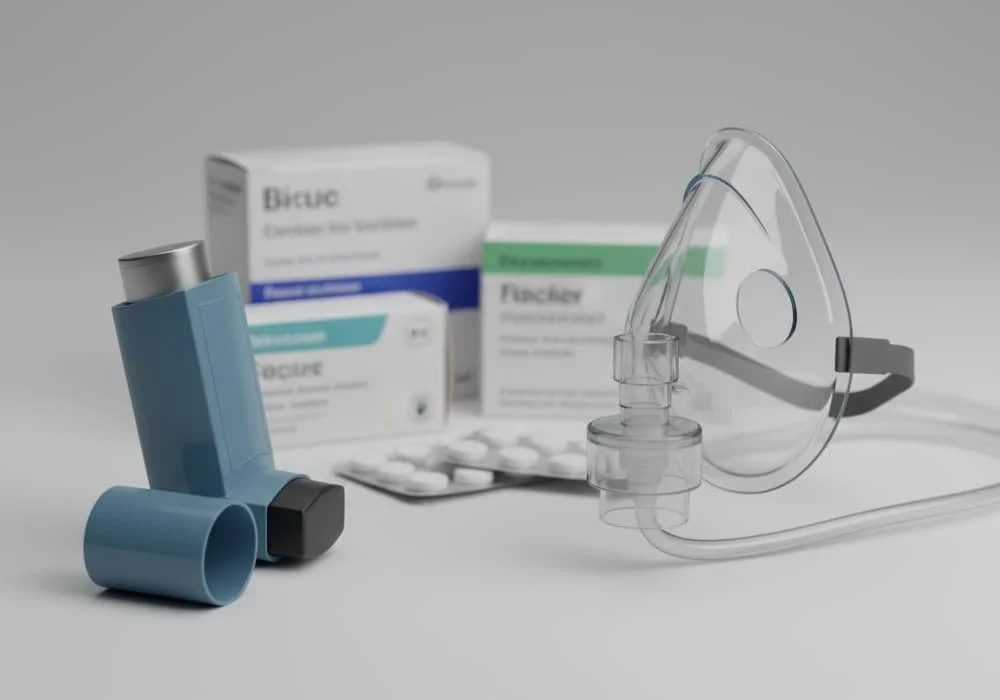


Most dehydration clears with sips of an oral rehydration solution; IV fluids help when nothing stays down.