Why Picking Up a New Hobby Is Great for Your Brain
Table of Content
Picking up a new hobby is one of the simplest ways to care for your brain as you get older. People who keep a hobby tend to feel happier, think more clearly, and have a lower risk of memory problems. A hobby gives your brain steady practice at focusing, learning, and solving small problems, and it often brings you together with other people at the same time. In this guide, we explain the real benefits of a hobby, the science behind why it works, and how to start one that fits your life.
If you or a loved one has been feeling foggy, low, or cut off from others, a hobby is a healthy place to begin. And when you want a check-up without the stress of a clinic, a Doctor2me physician can come to your home the same day, so you can focus on feeling better.
What Happens in Your Brain When You Have a Hobby
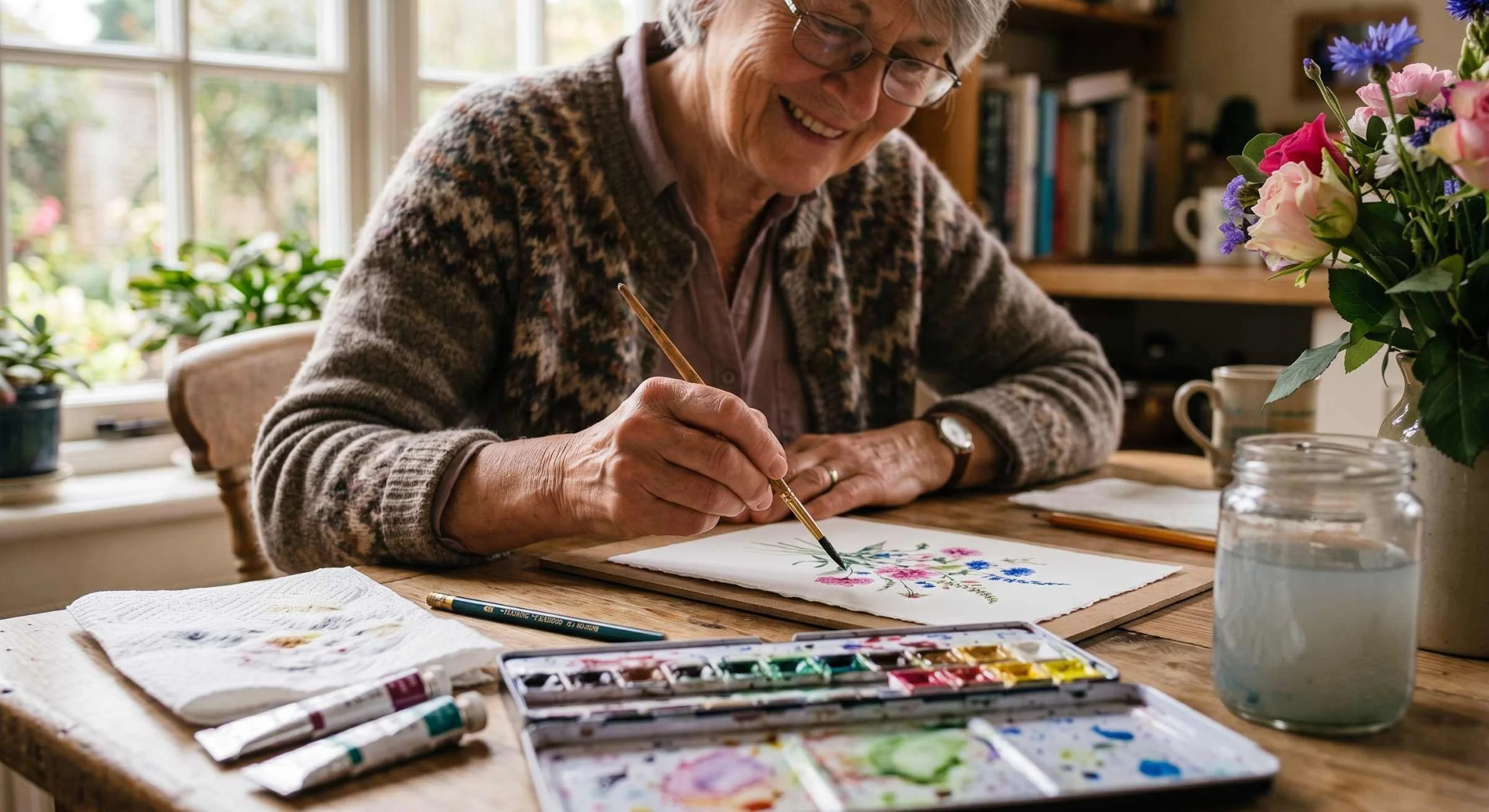
A hobby is any activity you do for enjoyment, not because you have to. That simple choice turns out to be powerful for your mind. When you knit, paint, garden, play music, or work a puzzle, your brain has to pay attention, use your hands, and make small decisions. Doing this again and again keeps your brain active and engaged.
The Science of Focus and Feel-Good Chemicals
This is where hobby psychology comes in. When you get absorbed in an activity you love, your attention moves away from worries and onto the task in front of you. Your brain settles into a calm, focused state that many people find deeply relaxing. At the same time, doing something you enjoy releases feel-good brain chemicals that lift your mood. That mix of focus and pleasure is a big reason hobbies feel so good and do so much for your health.
Building a Stronger, More Connected Brain
Learning is good for the brain at any age. One study found that older adults who took up quilting or digital photography had more memory improvement than those who only socialized or did easier tasks, according to the National Institute on Aging. Trying a new skill pushes your brain to form fresh connections. The more variety in what you do, the better. You do not need to master anything - the effort of learning is what counts.
The Health Benefits of Having a Hobby
The health benefits of having a hobby reach far beyond a fun afternoon. If you read new articles about mental health, you have probably seen a growing pile of research linking hobbies to a stronger body and a sharper mind. Here is what the science shows.
Sharper Memory and Thinking
Hobbies that make you focus and learn help keep your thinking skills strong. Creative and mentally active pastimes - reading, music, theater, dance, and writing - show promise for better memory, higher self-esteem, and lower stress. If you want to go a step further, structured brain activities can help too; you can read more about cognitive training for older adults and how it supports memory over time.
A Lower Risk of Dementia
Staying busy with things you enjoy may protect the brain over the long run. Taking part in hobbies and social activities is linked to a lower risk of several health problems, including dementia, heart disease, stroke, and some cancers. Gardening, for example, has been linked to keeping the brain sharp and may help lower the risk of dementia, and it even helps calm agitation in people who already live with the condition.
Better Mood and Less Stress
Many hobbies are natural stress relievers. Working with your hands in the garden, following a recipe, or focusing on a craft gives your mind a break and a sense of progress. A large study of more than 93,000 people aged 65 and older across 16 countries found that those with a hobby reported better health, more happiness, fewer symptoms of depression, and higher life satisfaction, as reported by Harvard Health. More than 60 percent of the people in that research already had a health condition, yet the benefit held true across every country studied.
Can a Hobby Help With Depression?
Low mood is common as we age, and many people feel they need a hobby for depression relief. A hobby is not a cure, but it can be a real support. It gives your days shape, a reason to get up, and small wins that build confidence. Paired with good medical care, an enjoyable activity can be part of a healthy routine.
How Hobbies Lift Your Mood
Hobbies help in a few ways at once. They pull your attention away from negative thoughts, they release feel-good brain chemicals, and they often connect you with other people. Group hobbies also fight loneliness, which is closely tied to depression. If a hobby gets you moving, that is an extra boost, because being active can improve your mood and reduce anxiety and depression.
When to Reach Out for More Help
A hobby is a healthy first step, but it is not a substitute for care. If sadness, numbness, or loss of interest lasts more than two weeks, or you are pulling away from people, it is time to talk with a doctor. Depression is very treatable, and getting help early makes a difference. You can learn more about how depression can affect older adults and why it deserves attention. If you or someone you love is thinking about self-harm, call or text the 988 Suicide and Crisis Lifeline right away. Depression is a sensitive topic, and reaching out for support is a sign of strength, not weakness.
Hobbies That Are Especially Good for the Brain
Almost any hobby helps, but some give your brain an extra workout. The best choice is one you will actually enjoy and keep doing. Here are a few worth trying.
Creative and Hands-On Hobbies
Creative hobbies ask your brain to plan, focus, and use your hands, all of which build brain strength. Good options include:
Painting, drawing, or adult coloring
Knitting, crocheting, quilting, or sewing
Cooking or baking a new recipe
Playing a musical instrument or joining a choir
Woodworking, model building, or crafts
Hobbies That Get You Moving
Physical hobbies protect the brain and the body together. Regular physical activity can improve memory, ease anxiety and depression, and lower the risk of cognitive decline and dementia, according to the Centers for Disease Control and Prevention. Even gentle movement counts. Try dancing, gardening, swimming, tai chi, or a daily walk. Many older adults enjoy the mix of exercise and friendship you get from walking groups.
Hobbies That Connect You With Others
Hobbies you share with other people offer a double benefit. Strong social ties are tied to a lower risk of heart disease, stroke, dementia, and depression, and they help you manage stress and sleep better, as the CDC notes. Book clubs, card games, community classes, volunteer work, and hobby groups all keep you connected while you do something you love.
How to Pick Up a New Hobby and Stick With It
The hardest part is often just starting. You do not need special skills, a lot of money, or hours of free time. You only need a little curiosity and a first small step.
Start Small and Follow Your Interests
Think back to what you enjoyed as a child or always meant to try. Then start small. Pick one activity, set aside a short block of time, and see how it feels. You can always do more later. Local libraries, senior centers, and community colleges often offer free or low-cost classes, and many groups now meet online, so you can join from home. Remember that a hobby should be fun, not one more thing to stress about.
Support for Older Adults and Families
Sometimes a health issue or memory change makes it harder to stay active and engaged. Families caring for a loved one with Alzheimer's or dementia can turn to Dementia Partner, a care management service that helps coordinate meaningful, cognitive activities and everyday support so a person can keep doing the things that bring them joy. And when you would rather skip the waiting room, you can choose a doctor and have them come to your home, which means less stress and a lower risk of picking up an infection. That kind of easy access makes it simpler to stay healthy while you enjoy your hobby.
FAQ
-
Hobbies keep your brain active by making you focus, learn, and solve small problems. This can improve memory and thinking and may lower the risk of dementia. Many hobbies also relieve stress and connect you with other people, which supports overall brain health.
-
A hobby can support your mood by giving your days structure, small wins, and time with others. It is not a replacement for medical care, but it can be part of a healthy routine. If a low mood lasts more than two weeks, talk with a doctor.
-
The best hobby is one you enjoy enough to keep doing. Creative activities like art and music, physical ones like gardening and dancing, and social ones like clubs and volunteering all help. Mixing a few types gives your brain and mood the biggest boost.
-
It is never too late. Learning a new skill later in life can actually improve memory, and studies show older adults who took up new crafts saw real gains. Start small and pick something that interests you.
-
Even a little time helps. Research suggests that spending at least an hour a day on hobbies is linked to better brain health, but any amount is better than none. Begin with a short block of time and build from there.
-
Yes. Group hobbies like book clubs, classes, and walking groups bring regular contact with other people. Strong social connections are linked to better mood, sharper thinking, and a longer, healthier life.
You May Also Like