Intimacy and Sexual Health After 60: Body Changes, Common Concerns, and Where to Get Support
Yes, you can have a healthy and happy sex life after 60. Sex after 60 often changes, but for many couples it stays warm, close, and satisfying. Your body may need more time, more touch, and a little planning. Health problems, stress, and some medicines can get in the way, yet most of these issues can be treated. The key is knowing what is normal, what is not, and when to ask for help.
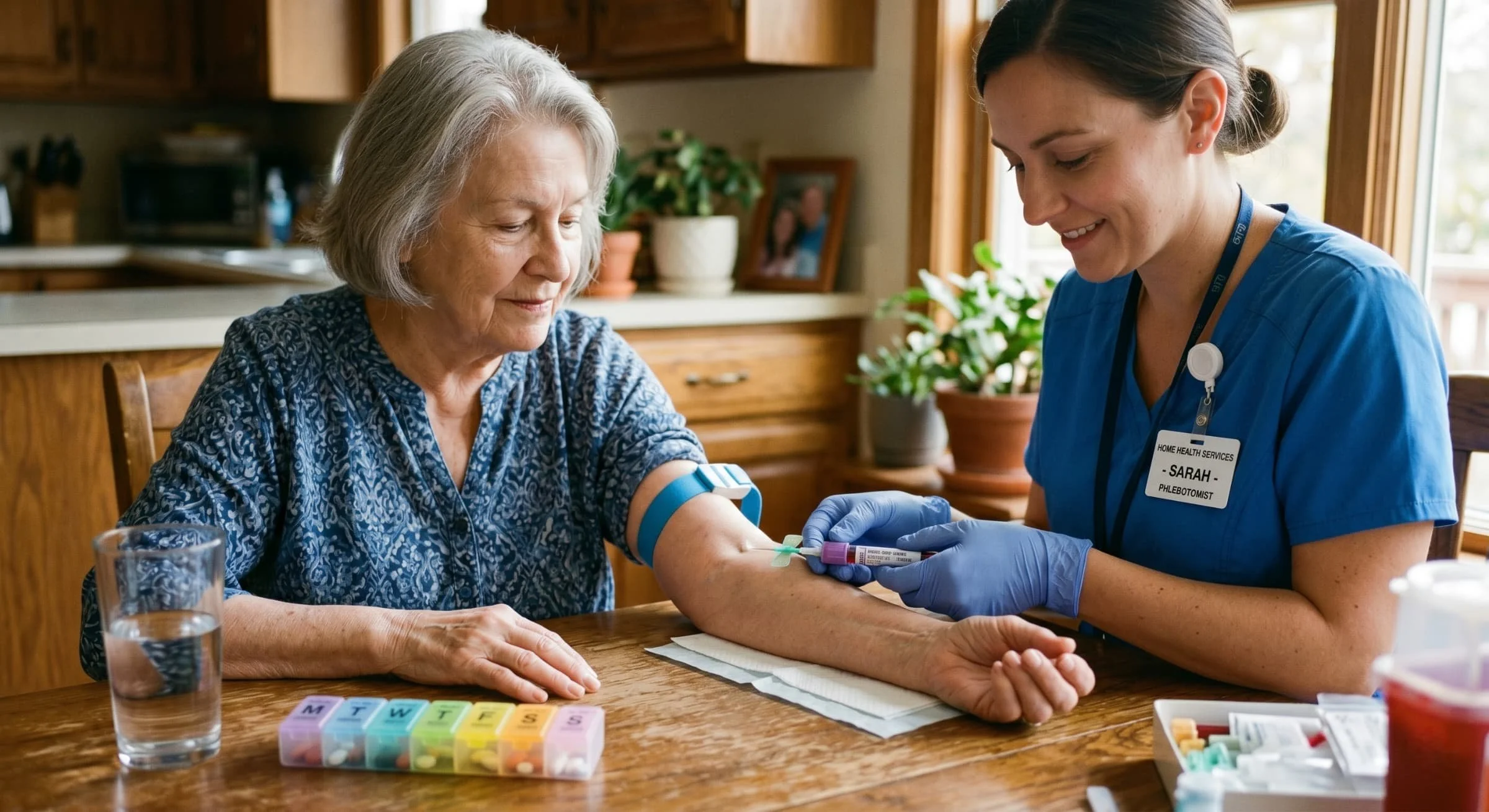
If something feels off, you do not have to figure it out alone. With Doctor2me, you can choose a doctor and have them come to your home, talk in private, and get a clear plan, no waiting room and no awkward lobby.
Is It Normal for Desire to Change After 60?
Some change in sex drive is a normal part of aging. Many people notice that desire comes on more slowly than it used to. That does not mean intimacy is over. It often means your body and your relationship are simply entering a new stage.
What a Changing Sex Drive Looks Like
A shift in sex drive can show up in small ways. You may want sex less often, or it may take longer to feel in the mood. Some people feel a decreased sex drive for a while, then notice it return once stress eases or a health problem is treated. Others find they have a higher sex drive than their partner, which is also common and worth talking about openly.
Open, kind talk about senior sexuality helps both partners feel safe. When couples can say what feels good and what does not, intimacy usually improves, no matter their age.
Common Causes of Low Sex Drive
There are many causes of low sex drive in older adults, and most have nothing to do with how you feel about your partner. The most common reasons include:
• Health conditions such as diabetes, heart disease, or arthritis pain
• Medicines, including some pills for blood pressure, depression, or pain
• Hormone changes, such as lower estrogen after menopause or a slow drop in testosterone
• Stress, anxiety, depression, or poor sleep
• Worry about body image, performance, or a past health scare
Because so many things can lower desire, a low sex drive is often a signal to check your overall health, not a problem to hide. A simple visit can sort out which cause is at play.
How the Body Changes With Age
Aging brings natural changes to the body that can affect sex. These changes are normal, and there are good ways to manage them so intimacy stays comfortable.
Changes for Women After Menopause
After menopause, the body makes less estrogen. This can make the vagina drier, thinner, and less stretchy, so sex may feel uncomfortable or even painful. Doctors call this group of changes the genitourinary syndrome of menopause. According to national treatment guidelines, the first steps are simple: vaginal moisturizers used regularly and a good lubricant during sex. If that is not enough, low-dose vaginal estrogen can safely restore comfort for many women. You can read more in our guide to painful sex after menopause.
Changes for Men
Men may notice that erections take longer to happen and are not as firm as before. Erectile dysfunction becomes more common with age, but age itself is rarely the only cause. As Cleveland Clinic explains, the most common causes are blood flow and nerve problems, often linked to heart disease or diabetes. Testosterone does slip slowly with age, yet low testosterone is not the main cause of erection trouble for most men. The good news is that these problems are very treatable once a doctor finds the cause.
The Health Benefits of Sex After 60
Sex is not only about pleasure. Staying intimate can be good for your whole body and your mood. The health benefits of sex after 60 are real, and they give couples one more reason to keep this part of life going.
Good for the Body and the Mind
Being close with a partner can ease stress, lift your mood, and help you sleep. The National Institute on Aging notes that staying sexually active can keep couples connected and add to a sense of well-being as they age. Many older adults say intimacy makes them feel younger, more confident, and less lonely.
Staying Close Without Intercourse
Intimacy is more than intercourse. Holding hands, hugging, kissing, and gentle touch all build closeness. Physical intimacy in a relationship can stay strong even when sex changes or pauses for a while. For many couples, this kind of touch becomes the heart of their bond in later life.
Common Concerns and How to Address Them
A few worries come up again and again. None of them mean your love life is over. Each one has a clear path forward.
When Vaginal Dryness Makes Sex Painful
Pain during sex is common after menopause, but you do not have to live with it. Over-the-counter moisturizers and lubricants help right away. If dryness keeps causing pain, ask about prescription options. A clinic that focuses on women’s health care can match the right treatment to your needs.
When Erections Are Harder to Get or Keep
If erections change, see this as a health checkup, not a failure. Erection trouble can be an early sign of heart or blood vessel problems, so it is worth a real exam. Treatments range from lifestyle changes to medicine, and most men find an option that works.
Staying Safe: Sexual Health and STIs
Sexually transmitted infections can still happen at any age, especially with a new partner. The risk does not disappear after 60. Using protection and getting tested when you have a new partner keeps you and your partner safe and worry-free.
Simple Ways to Keep Intimacy Alive
Small changes can make a big difference. You do not need perfect health or a perfect body to enjoy closeness. A few practical habits help most couples feel connected again.
Set the Stage for Comfort
Comfort makes intimacy easier and more fun. Pick a time of day when you both have energy, often the morning rather than late at night. Warm the room, slow down, and keep a good lubricant close by. A relaxed body responds better, so there is no need to rush.
• Choose a time when you feel rested, not tired or in pain
• Use a lubricant or moisturizer to keep things comfortable
• Take any pain medicine ahead of time if arthritis or joint pain is an issue
• Keep the mood low-pressure, with no goal except feeling close
Talk, Touch, and Take Your Time
Honest talk is one of the best tools for senior sexuality. Tell your partner what feels good and what has changed. Many couples find that more touch, longer foreplay, and gentle humor take the pressure off. If intercourse is hard right now, focus on kissing, massage, and holding each other. These moments keep the bond strong while you work on any health issue behind a decreased sex drive.
Getting Help and Support
You deserve support that treats intimacy as a normal, healthy part of life. The right help depends on what is going on, and you have more options than you might think.
Talking With a Doctor You Trust
Many people feel shy about bringing up sex, but doctors hear these questions every day. A calm, private talk can uncover a simple cause, like a medicine that lowers desire. Research published in The Lancet Healthy Longevity shows that many adults stay sexually active well into their 60s and beyond, so your concerns are both normal and worth raising. With Doctor2me, that conversation can happen at home, where you feel most at ease.
Therapy, Coaching, and Other Options
Sometimes the best help comes from a specialist. Low sex drive therapy and counseling can ease worry, rebuild confidence, and improve closeness between partners. Coaching practices such as Sex and Sensibility offer intimacy coaching and menopause-related sexual health support, including help with pain, low desire, and reconnecting after a health change. For a medical angle, a clinic like RW Family Practice & Preventative Care, which combines family practice with feminine health, can review your medicines and check for hormone or health issues that affect desire. Together, these supports make it far easier to enjoy intimacy again.
FAQ
Is it normal for sex drive to change after 60?
Yes. A slower or lower sex drive is a normal part of aging for many people. Health problems, stress, and certain medicines can also play a role. If the change bothers you, a doctor can find the cause and suggest options.
Is sex still important in a relationship after 60?
It can be, and for many couples it stays meaningful. Physical intimacy in a relationship supports closeness, comfort, and a sense of being loved. What matters most is what feels right for you and your partner.
Can women still have comfortable sex after menopause?
Yes. Vaginal dryness after menopause can make sex uncomfortable, but moisturizers, lubricants, and low-dose vaginal estrogen usually fix the problem. If pain continues, a women’s health provider can help.
How often do couples have sex after 60?
There is no normal number. Some couples have sex weekly, others less often, and some focus on touch and closeness instead. Studies show many adults stay sexually active in their 60s and 70s. The right amount is whatever feels good for both partners.
What are the health benefits of sex after 60?
Sex and close touch can ease stress, lift mood, improve sleep, and help couples feel connected. These health benefits of sex after 60 add to overall well-being. Intimacy also helps many older adults feel more confident and less lonely.
When should you see a doctor about a low sex drive?
See a doctor if a decreased sex drive bothers you, comes on suddenly, or pairs with other symptoms like fatigue or erection trouble. These can point to a treatable health issue. A private home visit makes the talk easier.
You May Also Like