Dehydration in Elderly: 5 Signs Mistaken for Dementia
Thousands of older adults face severe cognitive decline incorrectly classified as irreversible dementia, when the true culprit is a severe lack of fluids. According to recent clinical data published by the National Institutes of Health, adults over the age of 65 have a higher risk of developing a dangerous water and electrolyte imbalance. This elevated risk stems from physiological changes associated with aging, including a natural decrease in total body water.
In the United States, severe fluid deficit consistently ranks among the top ten reasons for emergency hospitalization of older adults. When discussing elderly and dehydration, water loss actively mimics and accelerates neurodegenerative conditions. Medical professionals emphasize that a mere 1 to 2 percent drop in body water weight triggers significant impairments in memory, attention, and cognitive performance.
Several specific physiological factors make seniors highly susceptible to this dangerous condition:
A natural deterioration of the brain's thirst mechanism over time.
Decreased kidney function affecting the body's ability to concentrate urine.
Lower overall muscle mass, which normally acts as a crucial water reserve.
Frequent use of maintenance treatments that increase daily fluid output.
For families worried about a sudden decline in their loved one's mental clarity, navigating busy clinics can be overwhelming.
Doctor2me provides a helpful alternative. By scheduling a house call, families avoid transportation stress and reduce exposure to facility-based infections. A physician assessing the patient at home offers immediate clarity on whether the confusion is a temporary fluid issue or a permanent condition.
Why Does Fluid Deficit Alter Brain Chemistry?
To grasp why dehydration in seniors resembles a neurodegenerative disorder, we look at the hydromolecular hypothesis. Water is an active biochemical participant dictating how brain cells communicate. It is absolutely critical for the correct folding of proteins in the central nervous system.
When the body lacks sufficient water, several dangerous biological shifts occur:
Cellular communication processes slow down dramatically due to high blood viscosity.
Harmful beta-amyloid proteins begin to aggregate rapidly in the brain tissue.
Astrocytes absorb water from the extracellular space, triggering acute delirium.
Brain tissue literally shrinks, pulling away from the skull and causing severe discomfort.
Older adults lose their internal buffer systems due to the natural age-related loss of muscle mass. While a younger adult might have 60 percent water weight, a senior might drop to 50 percent or lower. Consequently, the aging brain becomes exceptionally vulnerable to brief periods without water.
Statistical Overview of Health and Fluid Risks
| Metric Category | Description of Data | Statistical Value |
| Overall Mortality | Number of deaths among adults 65+ in the US | 2,341,600 individuals |
| Cognitive Hardships | Percentage of adults 65+ needing personal care | 9.4% |
| Hypertension (Men) | Men 70+ (a risk factor due to fluid shifts) | 72.6% |
| Hypertension (Women) | Women 70+ (a risk factor due to fluid shifts) | 76.6% |
| Daily Water Need | Average water requirement for adults 60+ | 36 ounces (1.06 L) |
What Are the 5 Hidden Symptoms of Dehydration in Elderly?
Clinical professionals highlight five distinct signs of dehydration in elderly patients. These symptoms frequently lead to erroneous diagnoses of cognitive decline if not caught early. Understanding these specific red flags can save families from severe emotional distress.
1. Rapid Onset of Confusion
True neurodegenerative diseases progress slowly, but cognitive symptoms of dehydration in elderly individuals develop rapidly over days or hours. A patient might suddenly lose the ability to recognize family members or navigate their home. This dramatic shift is caused by a sudden drop in blood volume restricting oxygen delivery to the brain.
Caregivers should watch for these immediate behavioral red flags:
Suddenly forgetting the current year or familiar locations.
Inability to recognize common daily objects like spoons or phones.
Wandering aimlessly or pacing within their own home.
Asking repetitive questions within a very short timeframe.
2. Mood Swings and Aggression
Families often misinterpret sudden hostility or aggression as behavioral complications of Alzheimer's disease. However, depleted fluids provoke significant shifts in neurochemical processes and hormone levels. These disruptions manifest as intense anxiety or unprovoked outbursts.
Experts highlight that uncharacteristic crankiness is frequently an early indicator that the brain is starving for water. This emotional volatility happens because the brain lacks the necessary fluids to regulate mood-stabilizing neurotransmitters like serotonin. It is vital to separate physical thirst from these complex emotional reactions.
3. Sleep Disruptions and Lethargy
Seniors lacking adequate hydration frequently exhibit profound sleepiness, which relatives mistake for natural physical fading. This overwhelming lethargy is actually the result of a mild hypovolemic shock. Because blood pressure drops, the body enters a forced conservation mode to save energy.
The individual might spend most of the day dozing and fail to react to external stimuli. Unlike normal sleep, this fatigue is not restorative and leaves the person feeling weak upon waking. Any sudden onset of hypersomnia warrants immediate investigation into the individual's daily fluid intake.
4. Visual Hallucinations
Hallucinations are terrifying signs of dehydration in elderly patients and often lead to an incorrect Lewy body dementia diagnosis. When fluids drain, the critical balance of sodium and potassium is destroyed. This imbalance causes electrical signals between brain cells to misfire, creating false sensory perceptions.
To understand these sensory issues, independent testing is highly informative. Families might go into a diagnostic lab to run comprehensive metabolic panels and check electrolyte levels. Getting independent lab results ensures objective data regarding sodium and potassium without relying exclusively on hospital-based diagnostics.
5. Slower Cognitive Processing
Fluid depletion makes the brain fundamentally inefficient. Losing a small fraction of optimal body water severely degrades short-term memory and focus. An older adult might speak noticeably slower or struggle to complete basic daily tasks.
These hurdles perfectly mimic the early stages of cognitive decline but are highly reversible with proper fluid restoration. The most dangerous aspect of this symptom is that it frequently occurs without the patient feeling any physical thirst. This sensory failure completely masks the root cause of the mental fog.
How to Differentiate Dehydration from Dementia?
Accurately diagnosing severe water loss presents a clinical challenge. Physical assessments fall short, so modern protocols strongly prioritize precise laboratory analysis. Relying solely on visual cues leads to missed interventions and delayed recovery.
Traditional physical signs are notoriously unreliable in the aging population and include:
Dry mucous membranes in the mouth.
Poor skin elasticity or delayed skin turgor.
Noticeably sunken eyes.
Absence of sweat during warm weather.
The gold standard for identifying severe water deficit is calculating plasma osmolarity. Studies show that physical observation alone identifies only a small fraction of patients with laboratory-confirmed high osmolarity. Objective testing remains completely non-negotiable for accurate care.
Coordinating daily routines to ensure adequate fluid consumption and prevent hospital visits can be exhausting. Hiring an independent caregiver may provide personalized monitoring of a senior's drinking schedules.
Crucial Laboratory Markers for Accurate Diagnosis
| Clinical Marker | Value Indicating Fluid Deficit | Diagnostic Significance |
| Plasma Osmolality | > 295 mOsm/kg | The primary criteria for pure water loss |
| BUN to Creatinine Ratio | > 20:1 | Indicates reduced blood flow to the kidneys |
| Serum Sodium (High) | > 145 mEq/L | Points directly to a deficit in pure water |
| Urine Specific Gravity | > 1.020 | Shows the kidneys are highly concentrating urine |
What Are Effective Dehydration Prevention Strategies?
Effective dehydration prevention requires a proactive, highly structured approach. Waiting for a senior to ask for water is a failing strategy because the neurological trigger for thirst is often completely absent. Without structured interventions, only a tiny fraction of older adults reach the recommended daily intake.
Implementing a robust bedside hydration system involves several practical steps:
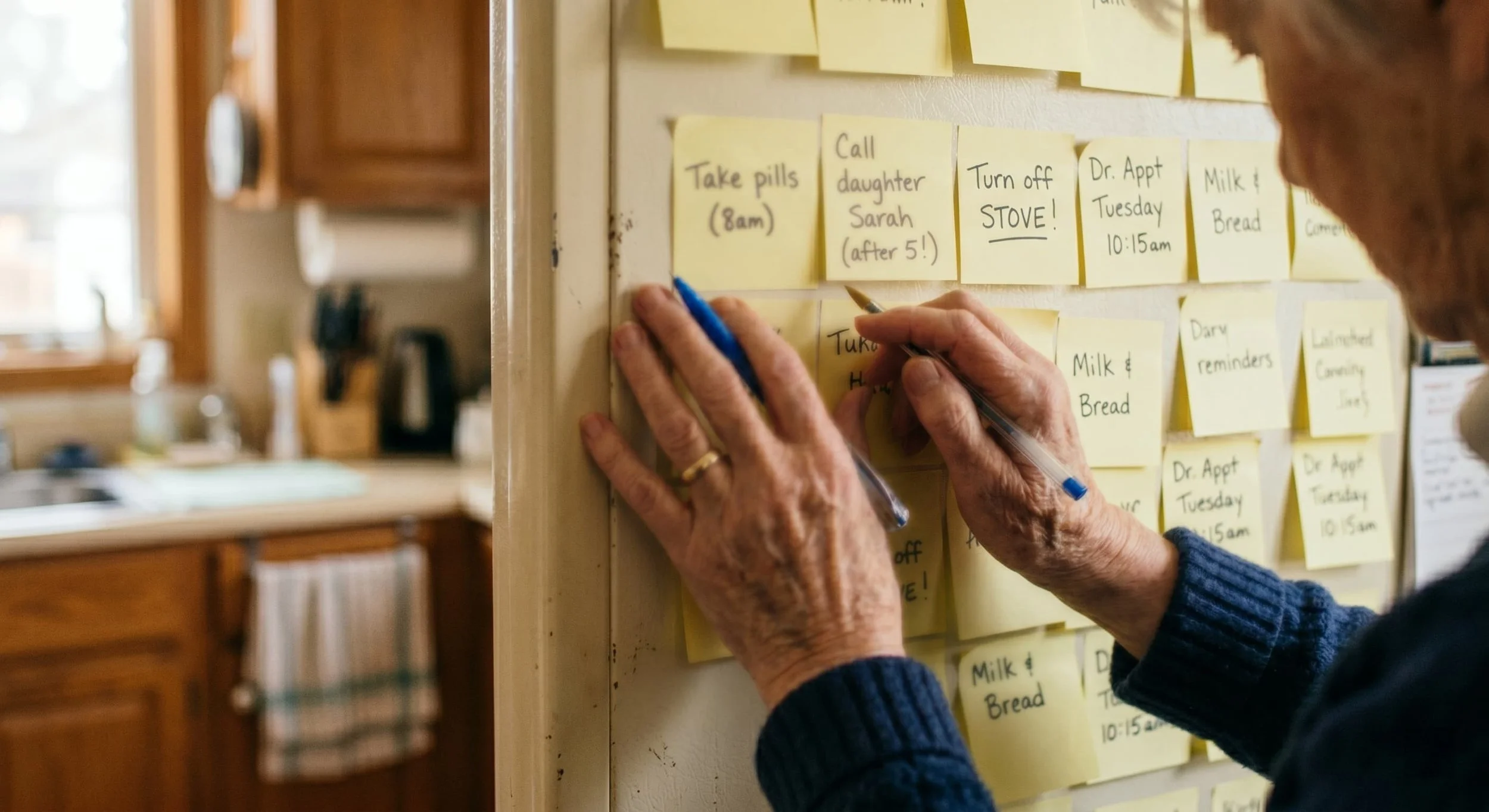
Using visual reminders like hydration charts near the resting area.
Creating customized drinking schedules with preferred beverage temperatures.
Ensuring clear, well-lit pathways to the bathroom to reduce the fear of incontinence.
Offering smaller cups of fluid frequently rather than large glasses.
Caregivers can also drastically improve fluid intake through diet. Many older adults find drinking plain water unappealing, so introducing water-dense foods is an excellent workaround.
Highly hydrating foods to include in a senior's diet:
Watermelon and cantaloupe (containing over 90 percent water).
Cucumbers, celery, and iceberg lettuce for crunchy snacks.
Broth-based soups served at moderate, safe temperatures.
Sugar-free gelatin and natural fruit popsicles.
Oral rehydration therapy remains the safest first-line defense for mild fluid loss. Caregivers should offer solutions containing a balanced mixture of electrolytes and glucose to maximize cellular absorption. Public health data indicates that adults drink significantly less water if they believe their local tap supply is unsafe.
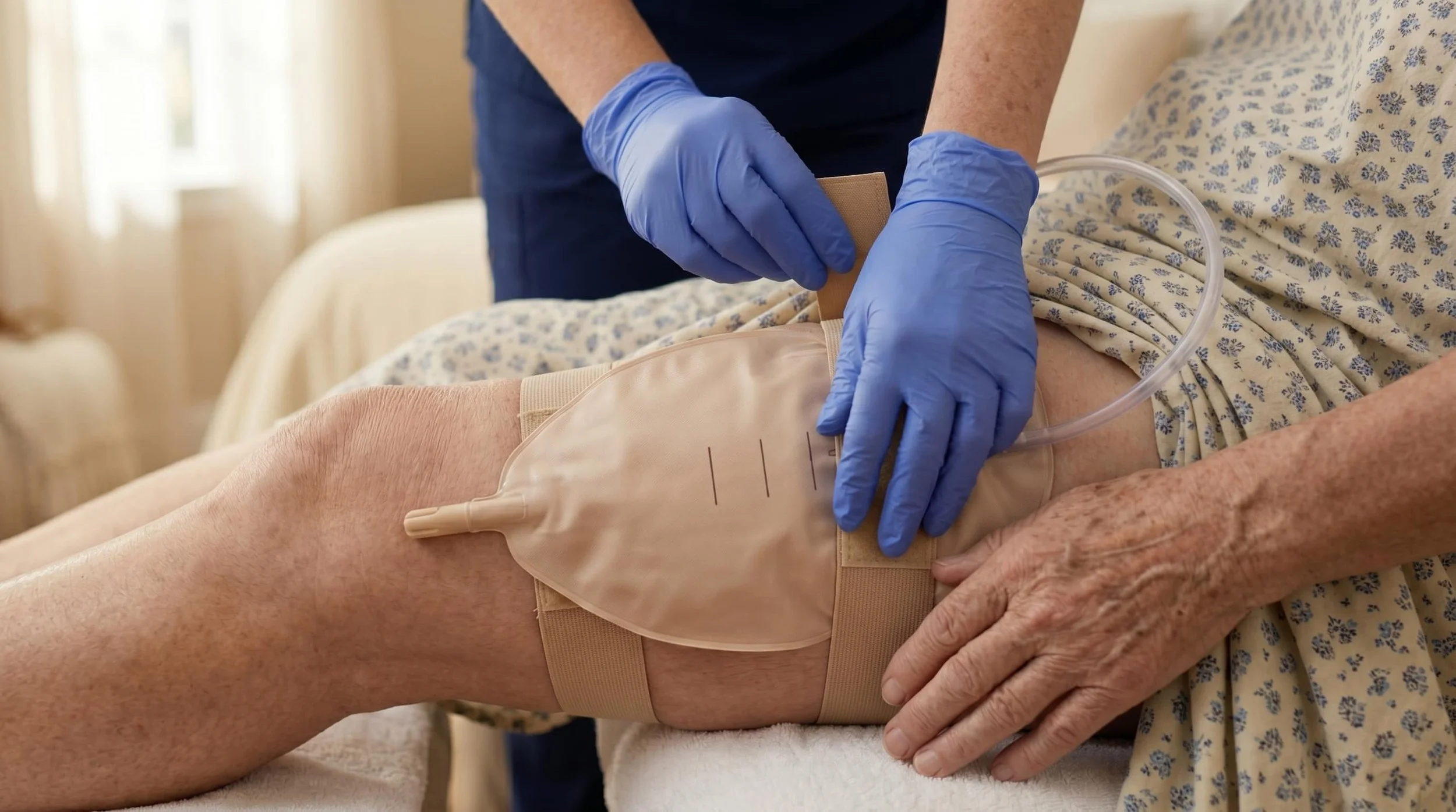
The physical complications of chronic water loss go beyond cognitive issues and can make skin tissues highly fragile. When addressing the physical aftermath of poor fluid intake, families may need specialized supplies. Purchasing directly from independent vendors allows caregivers to obtain professional-grade bandages without coordinating with local nursing facilities.
How Do Environmental Factors Impact Hydration?
Environmental factors play a massive role in maintaining fluid balance. During severe heatwaves in cities like Dallas or Chicago, hospital admissions for fluid deficits surge dramatically. Families must adapt their care plans by increasing fluid offerings and monitoring indoor temperatures closely.
Maintaining a safe environment requires constant vigilance from the entire care team. Keeping the home cool, reducing unnecessary physical exertion during peak afternoon hours, and managing room humidity are crucial steps. A comprehensive approach ensures the brain remains protected from fluid-related cognitive decline.
Environmental and Lifestyle Risk Factors
| Risk Factor | Impact on Fluid Balance | Suggested Preventive Action |
| High Indoor Temperatures | Accelerates invisible water loss through the skin | Maintain indoor AC at consistent cool temperatures |
| Poor Water Taste/Quality | Reduces voluntary drinking volume significantly | Install high-quality kitchen water filtration systems |
| Fear of Incontinence | Intentional avoidance of drinking | Create scheduled and assisted restroom visits |
Conclusion: Protecting Cognitive Health Through Hydration
Dehydration in older adults is not merely a physical inconvenience; it is a severe neurological risk that frequently masquerades as dementia. By understanding the hidden signs, from sudden confusion to uncharacteristic lethargy, families can intervene long before irreversible damage occurs.
Proactive monitoring and structured drinking schedules remain the most effective tools for maintaining long-term brain health. When sudden cognitive shifts happen, securing an accurate and swift diagnosis through objective clinical testing is paramount.
Ultimately, adequate water intake is the simplest yet most powerful defense against age-related cognitive decline. Staying highly vigilant about daily fluid consumption protects both the mind and the dignity of our aging loved ones.
FAQ
What are the first signs of dehydration in an elderly person?
The earliest indicators often include sudden mood swings, uncharacteristic crankiness, and a rapid onset of confusion. Unlike typical cognitive decline, these signs of dehydration in older adults develop quickly, sometimes within just a few hours.
Can dehydration cause dementia-like symptoms in seniors?
Yes, a severe fluid deficit can closely mimic and even accelerate neurodegenerative conditions. A mere 1 to 2 percent drop in body water weight severely degrades short-term memory, attention, and overall cognitive processing.
How can caregivers encourage older adults to drink more fluids?
Implementing a structured bedside hydration system with visual reminders and scheduled drinking times significantly improves daily fluid intake. Caregivers can also offer water-dense foods like watermelon, cucumbers, and broth-based soups to maintain safe hydration levels naturally.
How much water should a senior citizen drink daily?
On average, adults over the age of 60 require approximately 36 ounces of water daily to maintain essential physiological functions. However, this baseline fluid requirement can increase significantly during extreme heat or when managing specific medical conditions.
How do medical professionals accurately diagnose severe fluid loss?
Because physical signs like dry skin are notoriously unreliable in the aging population, physicians must rely on precise laboratory analysis. Calculating plasma osmolarity and checking serum sodium levels are the absolute gold standard for identifying a dangerous water imbalance.
You May Also Like