
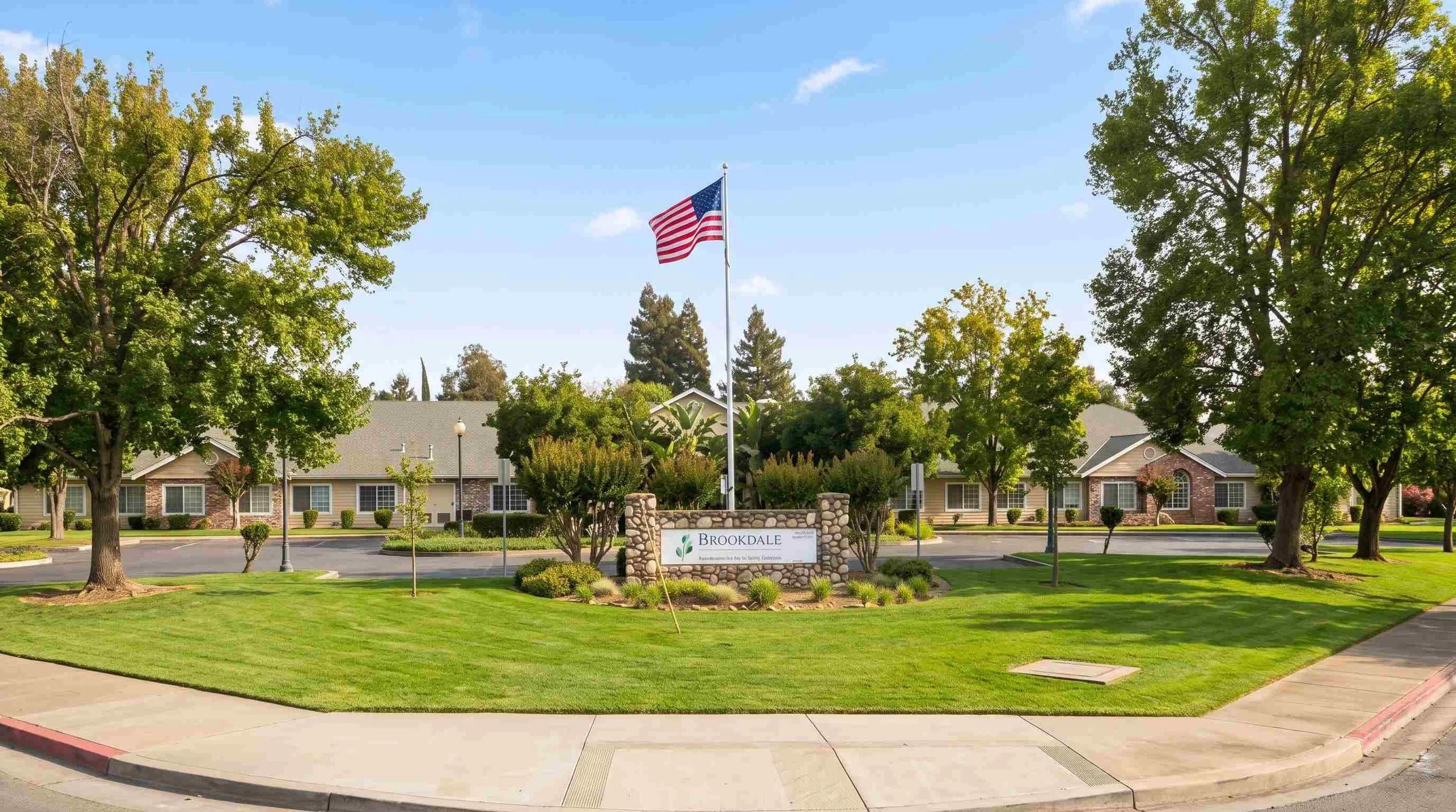
Families comparing assisted living in Lodi, CA usually start with the large campuses and then narrow down. Brookdale Kettleman Lane takes a different shape: it is a single-purpose memory care community at 2150 W Kettleman Ln, Lodi, CA 95242, licensed by the state under number 397005466.
A Community Built Only for Memory Care
The whole building is memory care, which is the first thing worth understanding about it. There is no independent living wing and no general assisted living floor, so the staffing, the layout and the daily schedule are all designed around dementia rather than adapted for it.
California records list the licensed capacity at 56 and the first license date as July 31, 2014, with Emeritus Corporation as the licensee and Mary Margaret Chappell as the facility administrator. The community sits in San Joaquin County, and the phone number is (209) 333-8033.
The Clare Bridge Approach
The community's own description centers on Clare Bridge, Brookdale's memory care program, with a secure, homelike setting and a building thoughtfully designed to resemble a private home. A separate track called Clare Bridge Solace is described for residents living with advanced dementia, which matters for families who do not want a second move later.
Training and Oversight
Brookdale states that Clare Bridge Training is recognized by the Alzheimer's Association for incorporating its evidence-based Dementia Care Practice Recommendations, covering person-centered care, assessment and care planning, activities of daily living, and behaviors and communication. The site also notes a trained team member on site 24 hours a day to respond in an emergency.
What Daily Life Looks Like Inside
Routine is the main therapeutic tool in a memory care setting, and the published calendar reflects that. A sample day lists B-Fit in the morning, snack and chat, brain fitness, an afternoon walk, watering the community plants, bingo, and a movie musical in the late afternoon.
Dining gets unusual attention in the community's materials. The described approach uses soft lighting, reduced distractions and contrast in the table settings so residents can focus on the food, with dementia-friendly menus and gentle prompts. Residents can help with light preparation such as folding napkins or arranging centerpieces.
Apartments and Amenities
Semi-private apartments are the standard option, with private apartments described as sometimes available at a higher cost, and dining and housekeeping included in the base rate. Featured amenities listed for the community include an emergency alert system, transportation, parking, a beauty and barber shop, a courtyard and garden, and a private dining room.
What That Means for a Family Visit
A single-purpose building changes the feel of a visit. Common areas are quieter and smaller, residents are at broadly similar stages, and staff are not splitting attention between a memory care neighborhood and an independent living dining room. Some families find that reassuring, and others miss the livelier atmosphere of a mixed campus.
How Memory Care Differs From Standard Assisted Living
Memory care is a secured subset of assisted living rather than a separate license category. The National Institute on Aging describes the span of long-term care settings, from board and care homes through assisted living to nursing homes and continuing care retirement communities, each offering a different level of medical support.
The practical differences are secured exits, higher staffing, dementia-specific activity programming, and staff trained for repetition, resistance and wandering. The cost difference follows from the staffing, which is why memory care generally prices above standard assisted living in the same town.
Why the Setting Matters So Much
Dementia care is demanding at home, and the numbers show it. According to the Alzheimer's Association 2026 Alzheimer's Disease Facts and Figures, 59% of dementia caregivers report high to very high emotional stress, and nearly 13 million Americans provide unpaid care for someone with dementia.
Smaller Settings Are Also an Option
Lodi and the surrounding San Joaquin County also have six-bed board and care homes, which some families prefer for a quieter environment and a steadier set of caregivers. The trade-offs between the two models are set out in this overview of small group homes and their limits.
What to Ask on a Tour Here
Published materials describe the program. A tour tells you how it runs on a Tuesday afternoon. The National Institute on Aging suggests asking how many care providers serve each resident, what training they have, how often key staff turn over, and whether a doctor checks on residents regularly.
The same guidance recommends a second visit without calling ahead, at a different day or time, and visiting during a mealtime to see the dining room and the food for yourself. In a memory care building, the late afternoon is the most informative hour to choose.
Questions Specific to a Memory Care Building
Ask how the secured exits work and what happens when a resident tries to leave. Ask how many awake staff are in the building overnight and how many residents each one covers. Ask what triggers a move to the Solace program, what it costs, and whether it happens in the same building.
Before You Sign Anything
Pricing here is published as a starting rate with care costs added on top, which is normal in memory care and also where surprises live. Read the level-of-care and discharge sections closely, using this walk-through of the questions to ask before signing an assisted living agreement.
Medical Care Without Leaving the Building
Memory care communities handle daily care and medication support, but they are not medical clinics, so routine physician care still has to come from somewhere. For residents with dementia, a trip to a clinic can undo a whole day, and the appointment itself often produces less useful information than a calm exam in familiar surroundings.
One option families use is a visiting physician. Arranging a doctor who sees patients in care communities and at home keeps the exam, the medication review and the paperwork in the building, including the LIC 602A when a move-in or a renewal needs one.
Adventist Health Lodi Memorial is the hospital in town, which matters for emergency planning rather than routine care. It is worth asking the community how they decide when to call 911, who notifies the family, and whether a staff member accompanies a resident who has to be transported.
The Neighborhood: Kettleman Lane and Lodi
West Kettleman Lane is also State Route 12. Caltrans refers to the road as State Route 12 (SR-12) / Kettleman Lane in its Lodi project notices, which is useful to know when you are planning a drive and the navigation app offers two different names for the same street.
Being on a state route has two sides. Access is straightforward from Stockton, Galt and the Interstate 5 and Highway 99 corridors, which matters for relatives who visit after work. It also means a busier road than a residential side street, so ask to see how the courtyard and garden are positioned relative to the traffic.
What Is Nearby
Lodi is a wine country town rather than a suburb of Stockton, with historic downtown Lodi and the surrounding vineyards a short drive from the community. The community's own description leans on that setting, noting that it sits among Lodi's scenic vineyards.
Visiting From Out of Town
Families who live further away often ask how to stay involved between visits. The community mentions virtual scrapbooks for sharing milestones, and most memory care buildings will set up a standing weekly call with a named staff member if you ask. Agreeing that routine during the first month works better than improvising later.
A Reasonable Next Step
If memory care in Lodi is the direction, the useful sequence is short: confirm current availability and the all-in monthly cost, tour twice at different hours, and have the LIC 602A arranged so the paperwork is not what delays a move.
Families who want help comparing options across San Joaquin County can work with a senior placement agency, which assesses care needs first and then shortlists homes that are licensed and staffed for that level. For a structured do-it-yourself version, this step-by-step approach to choosing an assisted living home covers the same ground.
Contact details: Brookdale Kettleman Lane, 2150 W Kettleman Ln, Lodi, CA 95242, phone (209) 333-8033, license number 397005466. Current pricing, availability and program details are on the community's own website, and they change, so confirm them directly before making any decision.
Sources Used
Alzheimer's Disease Facts and Figures – Alzheimer's Association (2026)
How To Choose a Nursing Home or Other Long-Term Care Facility – National Institute on Aging (2023)
Long-Term Care Facilities: Assisted Living, Nursing Homes, and Other Residential Care – National Institute on Aging (2023)

Written by Sofiia Puhach
November 9, 2026
Explore More Assisted Living Communities
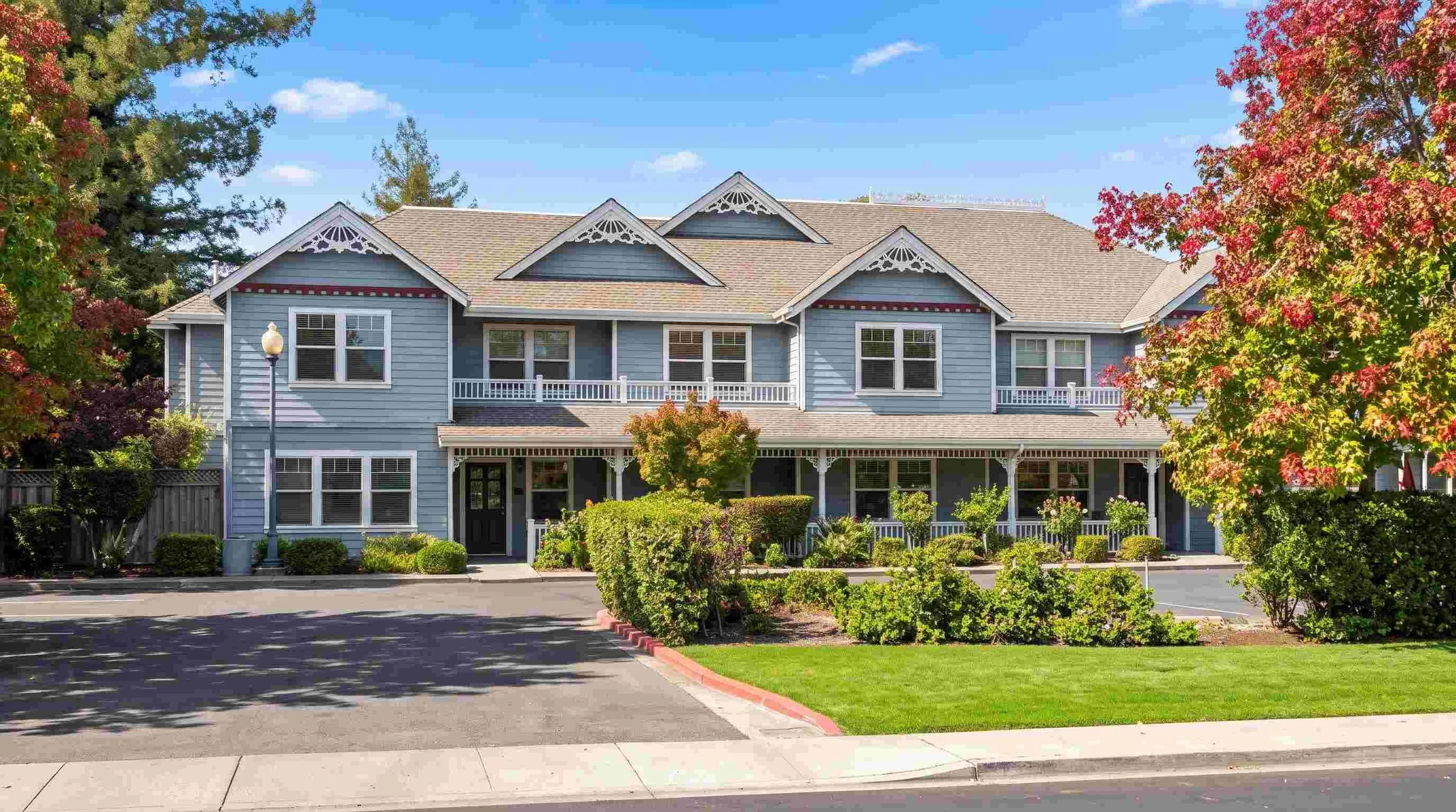
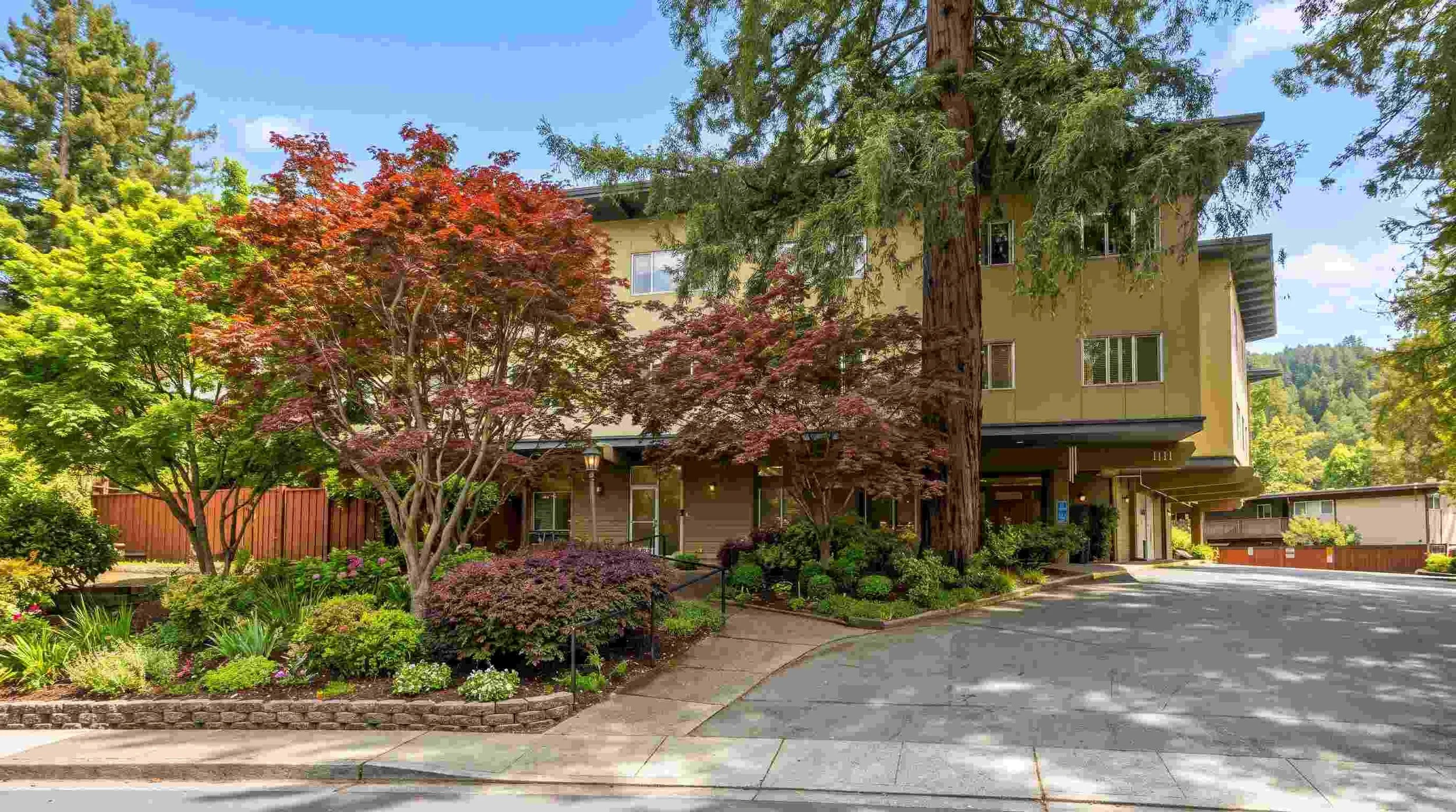

Address: 5325 Etiwanda Ave, Tarzana, CA 91356 (Los Angeles County)