
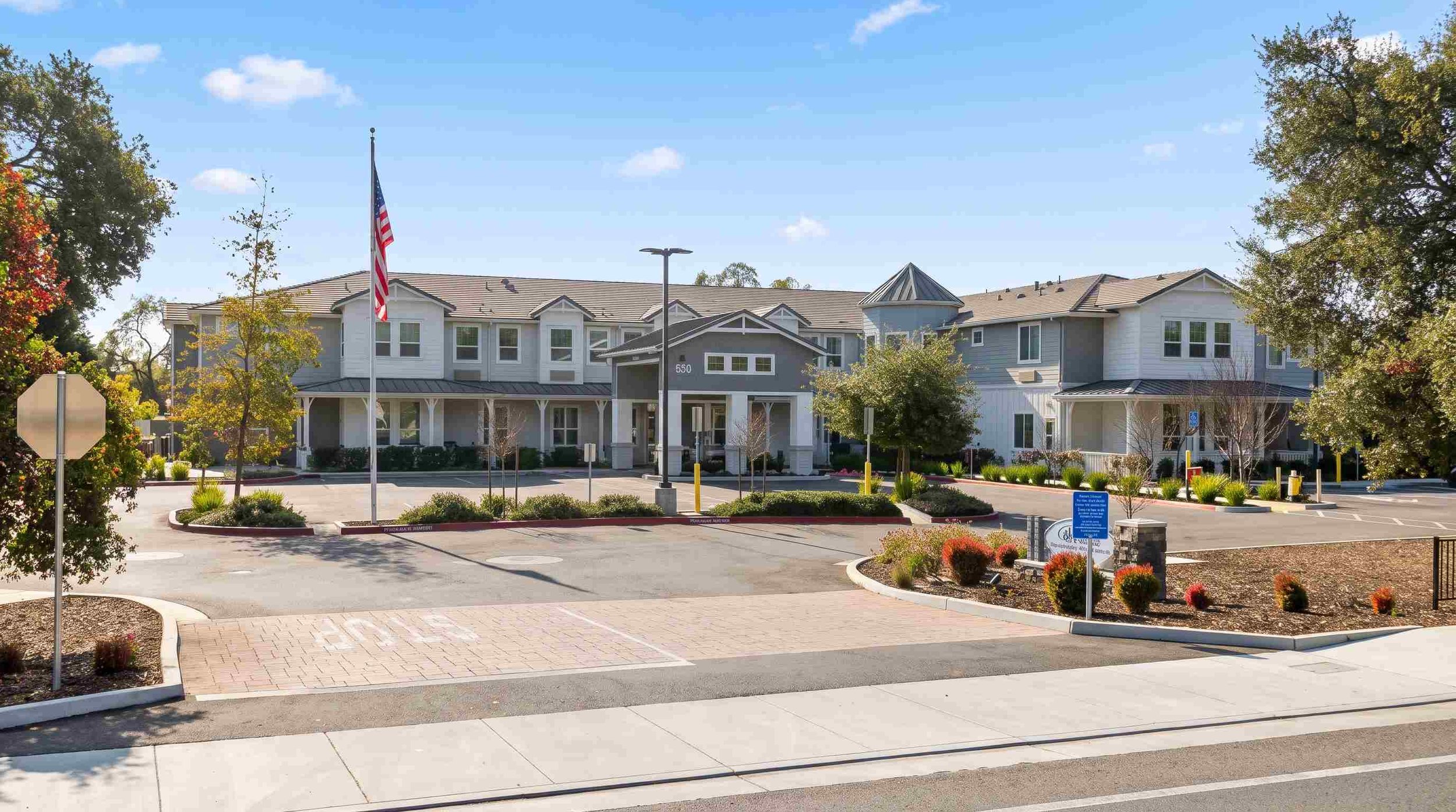
The Oars at Greenback Lane is a licensed residential care facility for the elderly at 6550 Greenback Lane, Citrus Heights, CA 95621, licensed by the state under number 342700963 with a capacity of 57 residents. It has been licensed since February 2021 and the licensee is The Oars Senior Living, Inc.
What Kind of Community Is The Oars at Greenback Lane?
A purpose-built assisted living community with a memory care wing inside it, rather than a converted house or a large campus. At 57 beds it sits in the middle of the range, big enough for dedicated dining and activity space and small enough that staff learn names.
The community describes its own design as styled to recall a coastal farmhouse, with on-site amenities including a beauty shop and barber, exercise classes and gardens. Family, friends and pets are welcomed rather than tolerated, which the site states directly, and visiting families can stay for a meal.
The part that sets this address apart is how it is organized inside. Instead of one open floor with a locked wing attached, the building is divided into three named neighborhoods, each aimed at a different level of cognitive need. That structure is unusual at this size and it changes how a tour should be approached.
The Three Neighborhoods, and Who Each One Suits
Three separate living environments share one address, and which one a resident joins matters a good deal more than the building itself does. The community names them Gabion, Langley and Whidbey, and each is built around a different amount of cognitive support, which means the same community can be a good fit or a poor one depending on the neighborhood.
Gabion: Assisted Living With Prompting
Gabion is described as a neighborhood for people with mild cognitive impairment, or for those who want to hold on to the functioning they have. The stated approach is structure plus gentle prompting and cues, so residents keep doing daily life skills themselves rather than having them done for them.
This is the setting most families picture when they say assisted living. Someone needs help with bathing, dressing or medicines, and reminders to start the day, but still makes their own choices and joins group life. The emphasis on maintaining skills is worth asking about in detail, because the practice behind that phrase varies a great deal between homes.
Langley: Memory Care
Langley is the memory care neighborhood, described as designed for residents with middle to late stage cognitive impairment. The stated priorities are safety and engagement in a secured tactile space, with a daily pattern built around that rather than around independence.
If a parent already wanders, becomes distressed in the late afternoon or needs a secured door, this is the neighborhood to tour, not Gabion. Ask directly how a move between neighborhoods is decided, who is involved and what it costs, because that transition is the moment families most often feel blindsided.
Whidbey: The Quiet Option
Whidbey is the smallest and most intimate of the three, described as a cozy, secure and tranquil area with a small designated team meant to provide consistency and reduce resident anxiety. It is aimed at people who do badly in busy, noisy settings.
That option is genuinely useful and rarely offered. A person who was never sociable, or who finds a full dining room overwhelming, often declines in a large community for reasons that have nothing to do with their medical condition. If that describes your parent, ask about Whidbey availability early, since the smallest neighborhood fills first.
What Do the Suites and the Daily Routine Look Like?
Private and companion suites, with the fittings worth checking on any tour. The community lists oversized windows and natural light, individual climate control in each suite, emergency call systems, ADA compliant bathrooms and motion-activated lighting. A companion suite costs less than a private one, so ask what the price difference is and whether a resident can move between the two later.
Motion-activated lighting is a small detail that matters at night. Most falls in care homes happen on the way to the bathroom in the dark, so lighting that comes on by itself is a real safety feature rather than a brochure line. Ask to see it working during a late-afternoon visit.
Food is handled in-house. The community states that menus are prepared fresh daily, sourced locally, sometimes designed by residents, and that the dining and nursing teams work together on appropriate options, including modified diets following National Dysphagia Diet standards. For anyone with swallowing difficulty, that last point is worth confirming in person.
How Does Medical Care Work in an Assisted Living Home?
The home provides care and supervision, not a doctor. Residents keep their own physician, and the facility arranges or supports appointments rather than treating conditions itself. That distinction catches families out, because the words assisted living suggest more clinical care than a residential care licence actually covers in California.
The community states that this location provides 24-hour nurse support, which is more than many homes of this size offer, and it is a question worth pinning down: on site or on call, and for what. The answer shapes how an evening problem gets handled and whether it becomes an ambulance ride.
Keeping a Doctor Involved After the Move
Primary care that travels to the resident solves the transport problem that otherwise eats a family's week. Visiting clinicians can handle routine follow-ups, medication reviews and the paperwork that assisted living requires, and the network lists primary and specialty care that comes to the resident by area.
Ask the administrator which visiting providers already come to the building. A home that is used to hosting mobile physicians, lab draws and X-ray services makes life considerably easier than one where every appointment means arranging a ride and a chaperone.
What Does Assisted Living Cover, and What Does It Not?
Help with daily living, meals, supervision and activities, and not the medical care a nursing home provides. Getting that line clear before the move prevents most of the disappointments that follow one, because almost every complaint families raise later comes down to something they assumed was included and was not.
The Standard Package
MedlinePlus (2023) describes assisted living as residential housing that offers help with daily living without the medical care a nursing home provides, with residents in their own room or apartment and shared common space, in facilities ranging from about 25 to more than 120 residents.
The same source lists what is typically included: up to three meals a day, help with personal care and medicines, housekeeping and laundry, 24-hour supervision and on-site staff, social activities and transportation. It also notes that offerings vary by state and that residents generally pay more as the level of care rises.
Where the Line Sits
NIA (2023) frames the broader picture: most long-term care is personal care, meaning help with activities of daily living such as bathing, dressing, eating and taking medications, along with supervision to keep a person safe. Skilled tasks such as wound care or therapy come from licensed professionals on top of that.
In practice this means an assisted living home can prompt and assist with medicines, watch for changes and call the doctor, but it does not diagnose, prescribe or provide nursing-home-level treatment. Where a resident needs more, it arrives as an added service, with an added cost, and that is the conversation to have before signing.
Reading the contract with those boundaries in mind is the single most useful hour a family spends in this whole process. Ask what triggers a move to a higher care level, who decides it, and what notice you get before the rate changes. We go through the clauses that cause the most trouble in questions to ask about an assisted living agreement.
What Is the Greenback Lane Area Like?
Suburban Sacramento County, on one of the area's main east-west routes. Greenback Lane runs through Citrus Heights and on into Fair Oaks and Orangevale, so the address is easy to describe to visitors and easy to reach from several directions. For a family spread across the northeast suburbs, that matters more than it sounds.
The community points to easy access from Interstate 80, a short drive to downtown Sacramento, and nearby movie theaters, community parks, museums and restaurants, as well as proximity to major hospitals. Those are the facility's own statements, and they are worth checking against your own route on a weekday at the hour you would usually visit.
The practical question for families is not the amenity list but the drive. Citrus Heights sits close enough to Roseville, Carmichael, Fair Oaks and Antelope that an adult child in any of them can visit after work, and that is the factor that most often decides whether visits actually keep happening after the first few months.
Address, License and Contact Details
Everything a family needs in order to verify this community before a tour is on the public record. Confirm it yourself rather than relying on any listing, including this one, since licensing status, capacity and management can all change between the date a page is written and the day you call.
Facility name: The Oars at Greenback Lane
Address: 6550 Greenback Lane, Citrus Heights, CA 95621
License number: 342700963
Licensed capacity: 57 residents
Licensee: The Oars Senior Living, Inc.
Licensed since: February 2021
County: Sacramento
Phone: (916) 212-0388
Suite layouts, the neighborhood descriptions and current contact details are on the community's own site at The Oars Senior Living. When you call, ask for the current rate sheet and the level-of-care assessment in writing, because neither appears online and both decide what the first year actually costs.
What Should You Do Before Choosing This Community?
Tour it twice, at different times of day, and come with a list. A mid-morning visit shows a community at its best; a late afternoon or a mealtime shows you how it runs when it is busy and staffing is thinnest.
Pay attention to what you see rather than what you are told. Whether residents are dressed and engaged or parked in front of a television, whether call lights get answered, whether staff speak to residents by name, and how the place smells at four in the afternoon. The things that are easy to notice are also the ones that predict the next two years.
Getting Help With the Shortlist
Nobody chooses well from a single tour, and comparing homes is a job in itself. A placement specialist tours with families, knows which homes have real openings and which accept a given level of care, and the network lists senior placement agencies by area.
Two pieces of reading make the tours far more useful. We cover the warning signs worth watching for in red flags when touring assisted living homes, and the trade-offs of smaller settings in small group homes and the oversight they offer. If you would rather have someone walk the process with you from the start, how a placement specialist finds the right community sets out what that help looks like.
Then handle the paperwork early rather than last. The physician's report holds up more move-ins than anything else, usually because the appointment could not be arranged in the week the room became available, and it is the easiest part of the whole process to get ahead while you are still touring.
Sources Used
Assisted Living – MedlinePlus, National Library of Medicine (2023)
Home - The Oars Senior Living – The Oars Senior Living
What Is Long-Term Care? – National Institute on Aging (2023)

Written by Sofiia Puhach
November 19, 2026
Explore More Assisted Living Communities
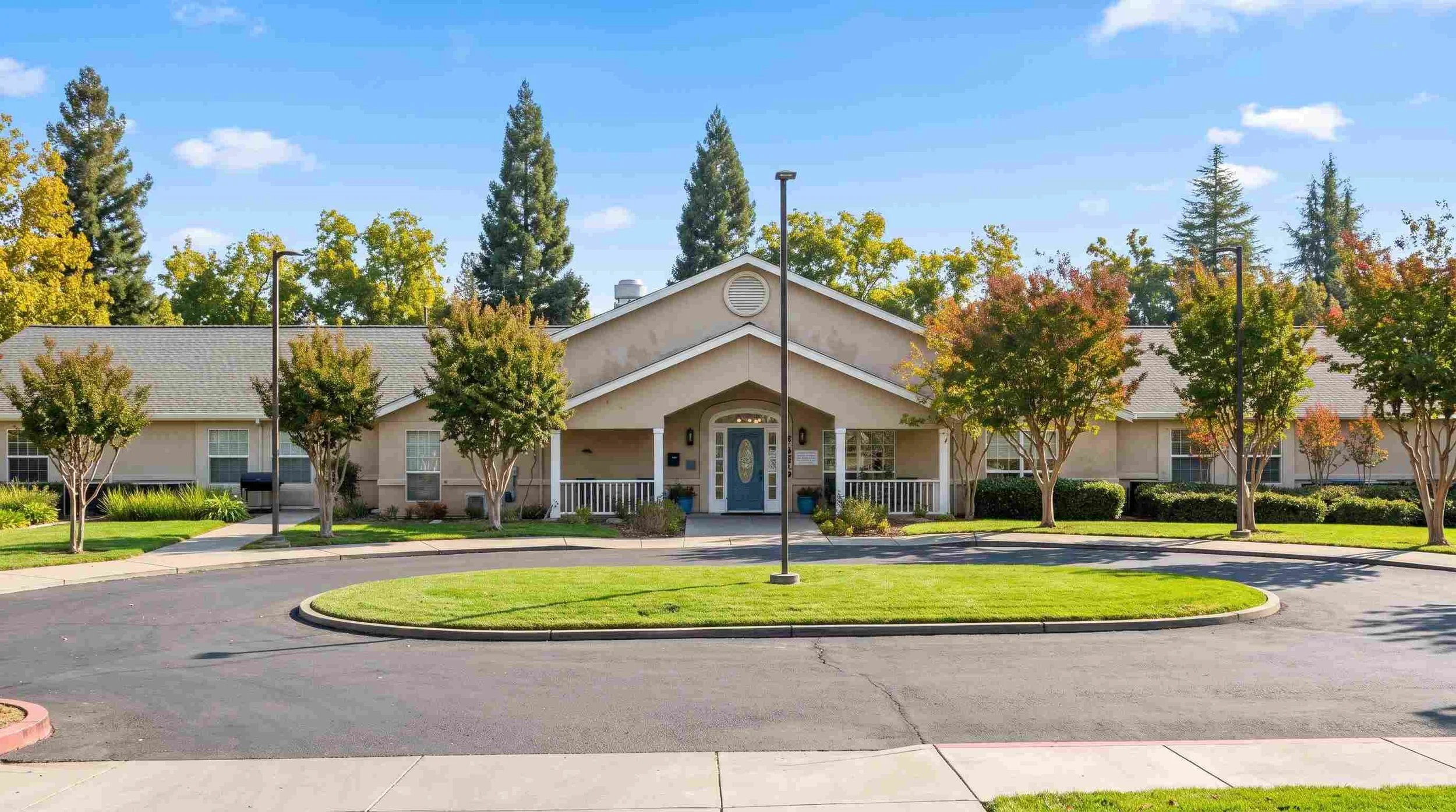
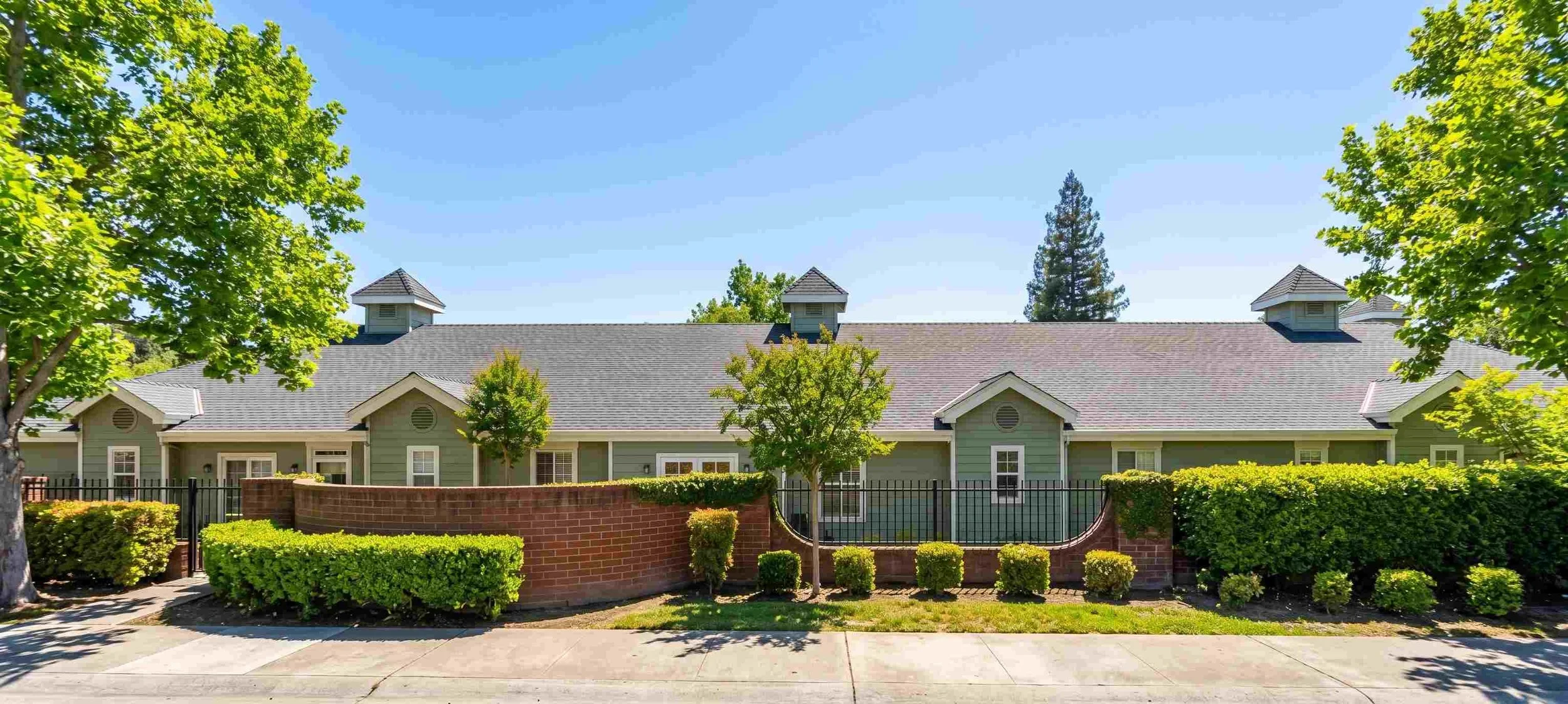
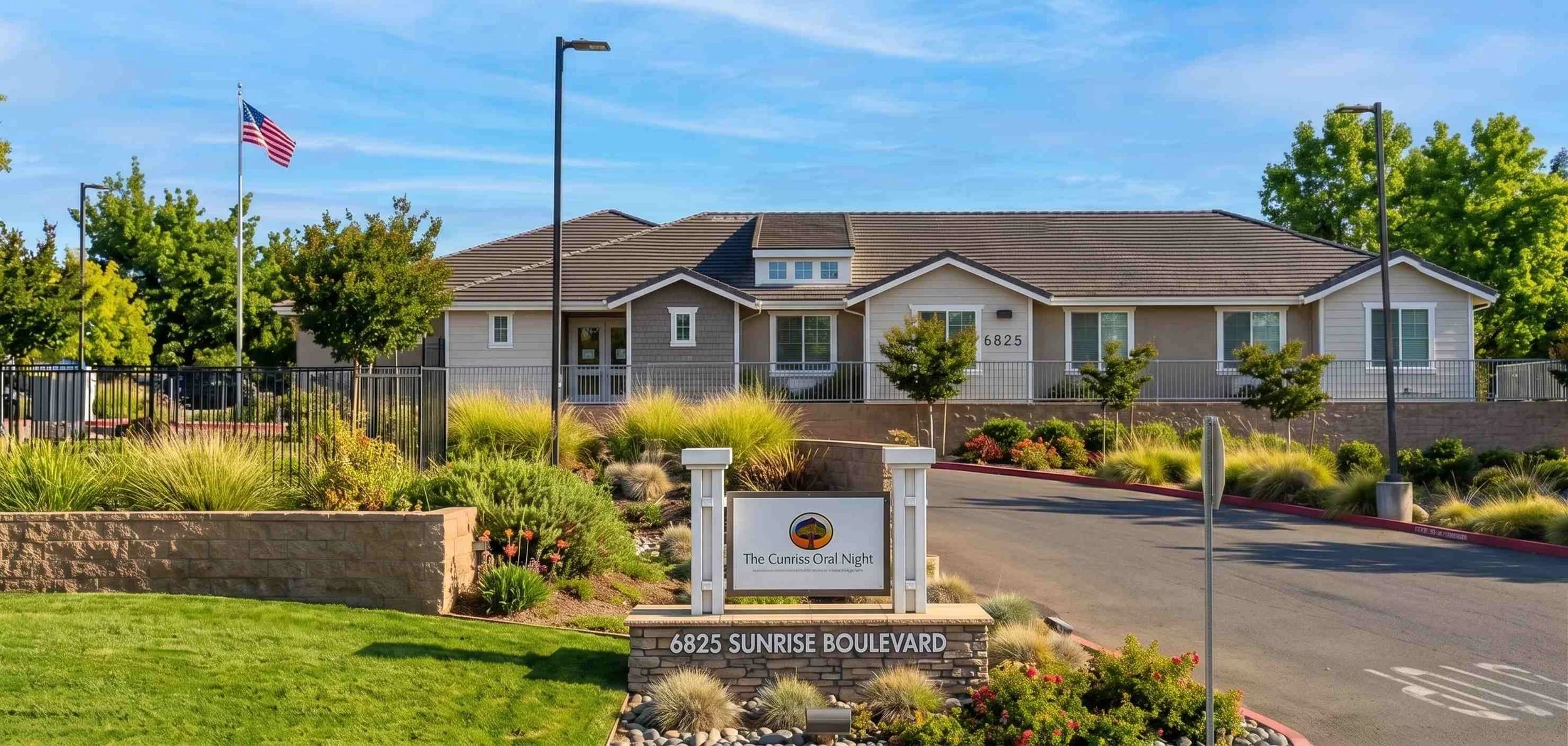

Address: 6550 Greenback Lane, Citrus Heights, CA 95621