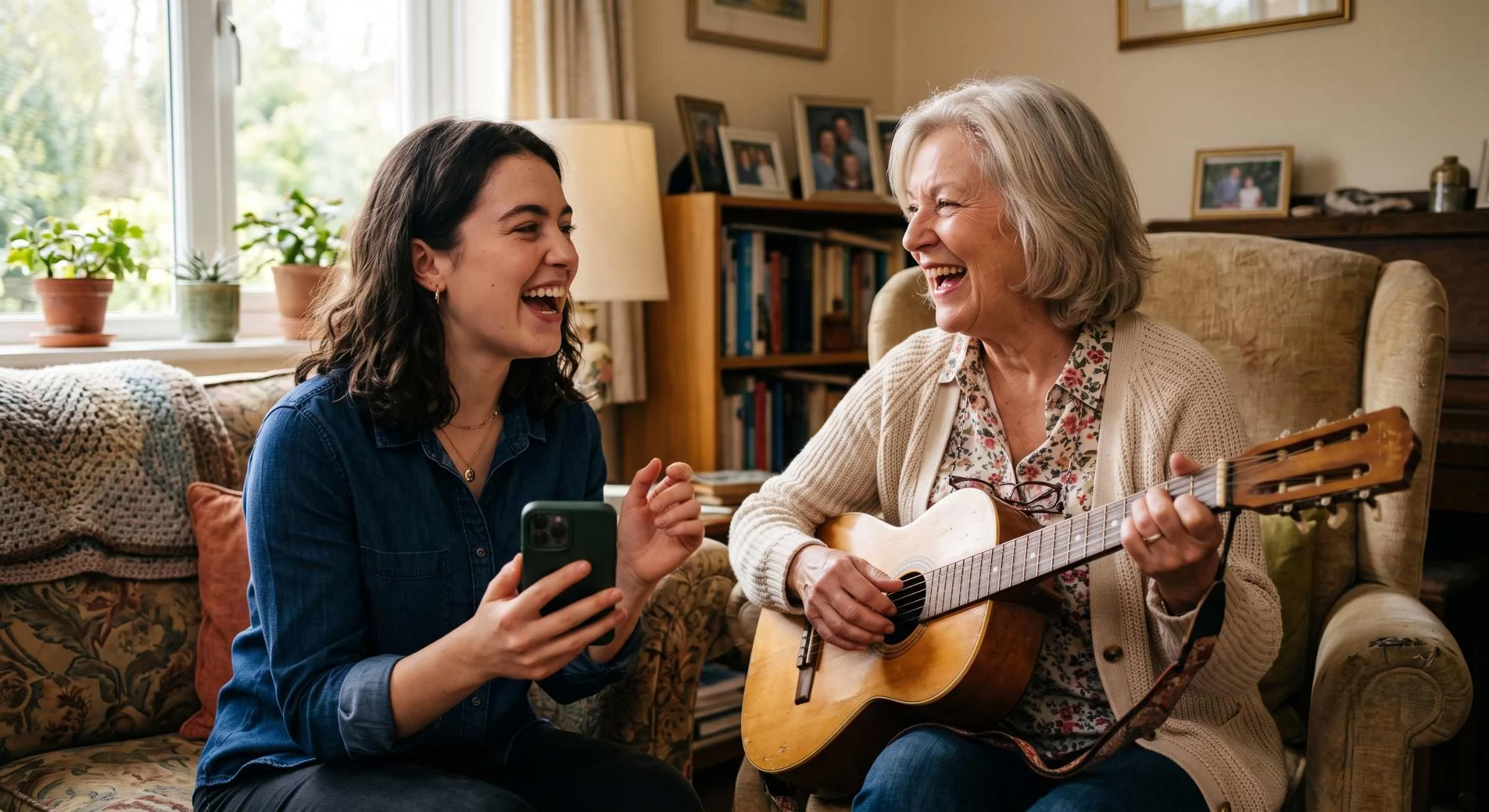
The Feel-Good Health Perks of Music and Singing
Table of Content
Music and singing do far more than fill a quiet room. They can lift your mood, ease stress, sharpen memory, and even support long-term brain health. Science backs up what most people feel in their bones: singing is good for you, and so is listening to a favorite song. The best part is that these perks are free, fun, and open to everyone, no matter your age or musical skill.
Feeling low or foggy now and then is normal. When it lasts, a closer look can help. With Doctor2me, a doctor can visit the home for a private checkup, and families can even pick their own doctor from the provider network, which takes the stress out of getting care.
How Music Affects the Brain and Body
Music touches nearly every part of the brain at once. That wide reach is why a single song can change how you feel in seconds.
A Full-Brain Workout
When you hear music, your brain lights up in many places at the same time. According to the Cleveland Clinic, music can improve mood, reduce stress, and enhance memory. It also brings physical perks: it can lower the stress hormone cortisol, slow heart rate and blood pressure, and push the body to move. Music even helps the brain build new connections, a process that keeps the mind flexible and able to adapt.
Music and Memory
Ever heard a song from your teenage years and felt a rush of emotion? That is your memory and emotion centers working together. This link is so strong that a person with Alzheimer's disease can sometimes sing a favorite song from start to finish, even after other memories fade. Music reaches parts of the brain that many conditions leave untouched.
Why Singing Is Good for You
Singing takes the benefits of music one step further, because you are making the sound yourself. It uses your breath, your body, and your brain all at once.
Singing and Mental Health
Singing is good for mental health in ways that are easy to feel. It can lift a low mood, calm nerves, and give a sense of release. Singing with others adds another layer, since shared music builds connection and eases loneliness. A few minutes of singing in the car or the shower can turn a hard day around.
Singing as a Skill Anyone Can Build
A person does not need a perfect voice to enjoy singing. Simple warm-ups and steady practice make it easier over time. Some singers use a method called speech level singing, which keeps the voice relaxed and natural, much like talking. The goal is not to sound like a star. The goal is to make music, breathe deeply, and feel good doing it.
Music, Aging, and Brain Health
Music may be one of the simplest tools for protecting the brain as people age. New research keeps adding to the list of benefits.
A Lower Risk of Dementia
A large study of more than 10,800 adults ages 70 and older, reported by Harvard Health, found a striking pattern. Over seven years, people who listened to music most days had a 39% lower risk of developing dementia, and those who played an instrument at least once a week had a 35% lower risk, compared to people who did neither. Daily music listeners also had higher memory and thinking scores. The study shows a link rather than proof, but it points to music as one more way to help protect the mind.
Support for People Living With Dementia
For families caring for a loved one with memory loss, familiar songs can be a real comfort during a hard afternoon. Groups that coordinate this kind of care, such as Dementia Partner in the West Hills area, help arrange meaningful cognitive activities and day-to-day support built around the person's needs. In-home caregivers can bring music into the daily routine too. A team like A Better Solution In Home Care supports seniors with dementia and other long-term conditions at home, where a favorite playlist can ease stress for both the person and the family.
Care groups like Dementia Partner and A Better Solution In Home Care show how music can fit into a caring, everyday routine rather than a clinic setting.
Music Therapy and Whole-Person Wellness
Beyond casual listening, trained professionals use music as a form of care. It is a growing field with real results.
What Music Therapy Is
Music therapy uses songs, rhythm, and sometimes singing to reach health goals like better mood, memory, and communication. A trained therapist chooses music to match each person's needs. It has helped people with dementia, brain injuries, and high stress feel calmer and more connected. It is one of many ways the arts support health.
Part of a Healthy Routine
Music fits naturally into a whole-person approach to feeling well. Practices like Comprehensive Natural Healthcare in Encino combine care such as nutrition and physical therapy, and simple daily habits like music can support that same goal of feeling better in body and mind. Small choices, repeated often, add up to real change.
A whole-person practice such as Comprehensive Natural Healthcare is a good reminder that wellness comes from many small, steady habits working together.
More Everyday Perks of Music and Singing
The benefits of music reach into small parts of daily life that are easy to miss. A little music at the right moment can shift a whole day.
Stress Relief and Better Rest
Slow, calming music can help the body wind down. It can lower the stress hormone in the blood, ease a racing heart, and quiet a busy mind. Many people find that soft music before bed makes it easier to relax and fall asleep. A steady wind-down playlist can become a simple, healthy nighttime habit.
Movement and Heart Health
Upbeat music makes it easier to move. A strong beat can turn a boring walk into a fun one and help a workout feel shorter. Because moving your body is good for the heart, music that gets you dancing or walking gives a double benefit. For older adults, music can also make gentle exercise feel more enjoyable and easier to keep up.
A Boost for Focus and Creativity
Music can help the mind lock in on a task. For some people, background music makes it easier to focus and get more done. It can also spark creativity and fresh ideas. The right playlist is a simple tool for work, study, or any project that needs a clear head.
Bringing More Music Into Daily Life
The good news is that enjoying music is easy and cheap. A few simple habits can bring more of it into each day.
Listen, Find, and Make Music
There has never been an easier time to enjoy music. Streaming apps offer everything from Indian music to jazz and the latest popular music, all in one place. If a tune gets stuck in your head, apps that find music by sound let you hum or play a clip to name the song. This kind of music search by sound turns a mystery melody into a new favorite in seconds. For those who want to go further, learning an instrument or trying simple music production at home is a rewarding way to make music of your own.
Simple Ways to Start
Building a music habit does not take much. A few easy ideas include:
Play a favorite playlist during chores or a morning walk
Sing along in the car or the shower
Share music with an older relative to spark memories
Try a beginner instrument or an easy music app
Join a local choir or singing group for connection
Whatever the choice, the point is to enjoy it. Music works best when it feels like play, not a chore, and the health perks come along for the ride.
FAQ
-
Yes. Singing can lift your mood, ease stress, and give a sense of release, and it uses your breath and body in a healthy way. Singing with others also builds social connection, which supports mental health. You do not need a great voice to enjoy these perks.
-
Music activates many parts of the brain at once, which is why it can improve mood, reduce stress, and enhance memory. It can also lower cortisol, slow heart rate and blood pressure, and help the brain build new connections. This wide reach is what makes music so powerful.
-
Music often reaches memories and emotions that dementia leaves untouched, so a familiar song can bring comfort and moments of clarity. Research also links regular music listening to a lower risk of dementia in older adults. Many caregivers use favorite songs to ease stress during hard moments.
-
Music therapy is a form of care where a trained therapist uses songs, rhythm, and sometimes singing to reach health goals. These goals can include better mood, memory, and communication. It has helped people with dementia, brain injuries, and high stress feel calmer and more connected.
-
Play a favorite playlist during chores or a walk, sing along in the car, or share music with an older relative to spark memories. You can also use an app to find music by sound, try a beginner instrument, or join a local singing group. The key is to pick what feels fun.
You May Also Like