
Your Care Guide
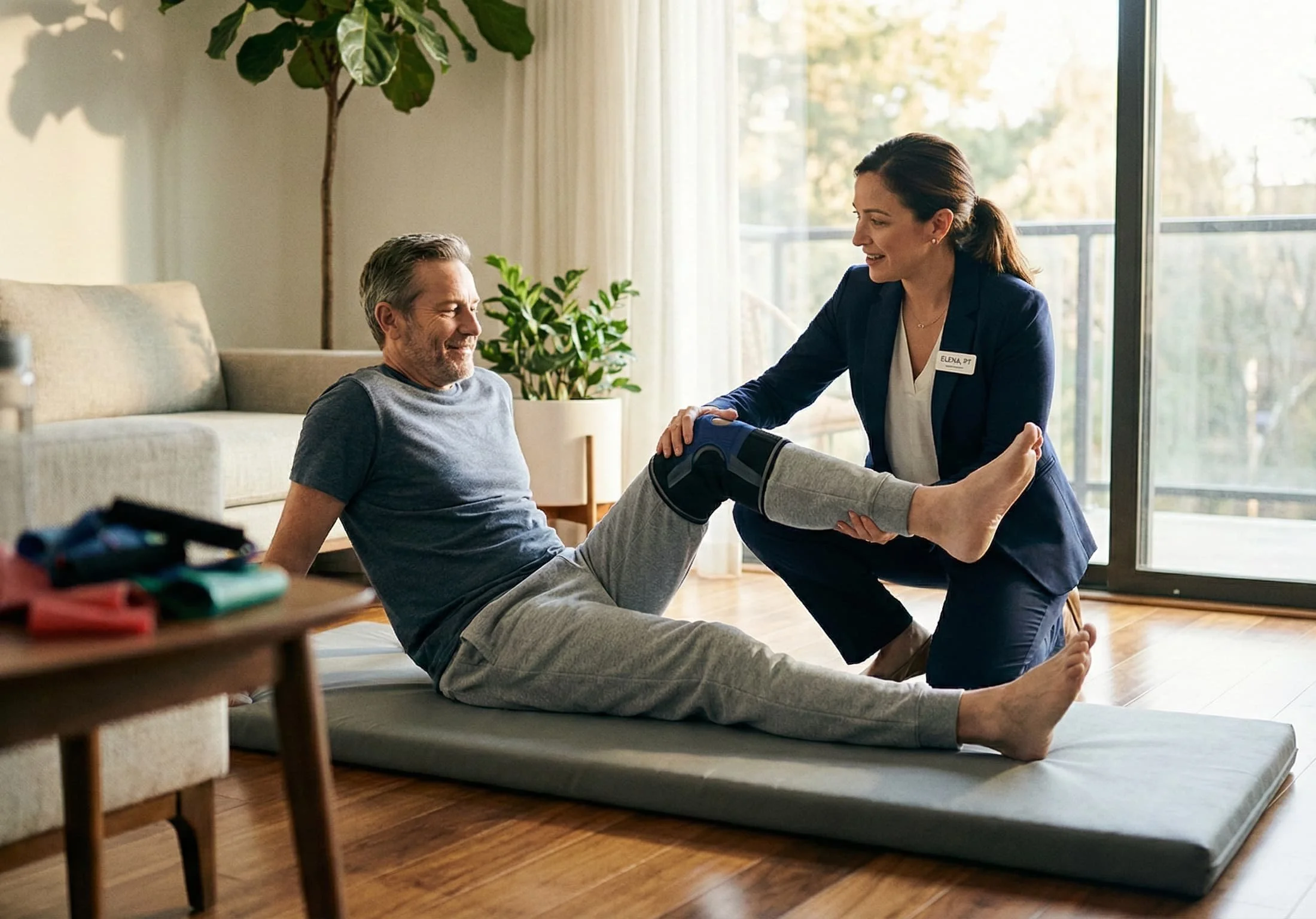
Physical Rehabilitation: Post-Surgery Recovery
Physician-led post-surgery recovery supports safe healing at home without stressful clinic visits.

Stress Reduction and Management: Essential Habits for a Healthier Life
Chronic stress is a medical risk, not a lifestyle issue. Early management helps protect long-term health.
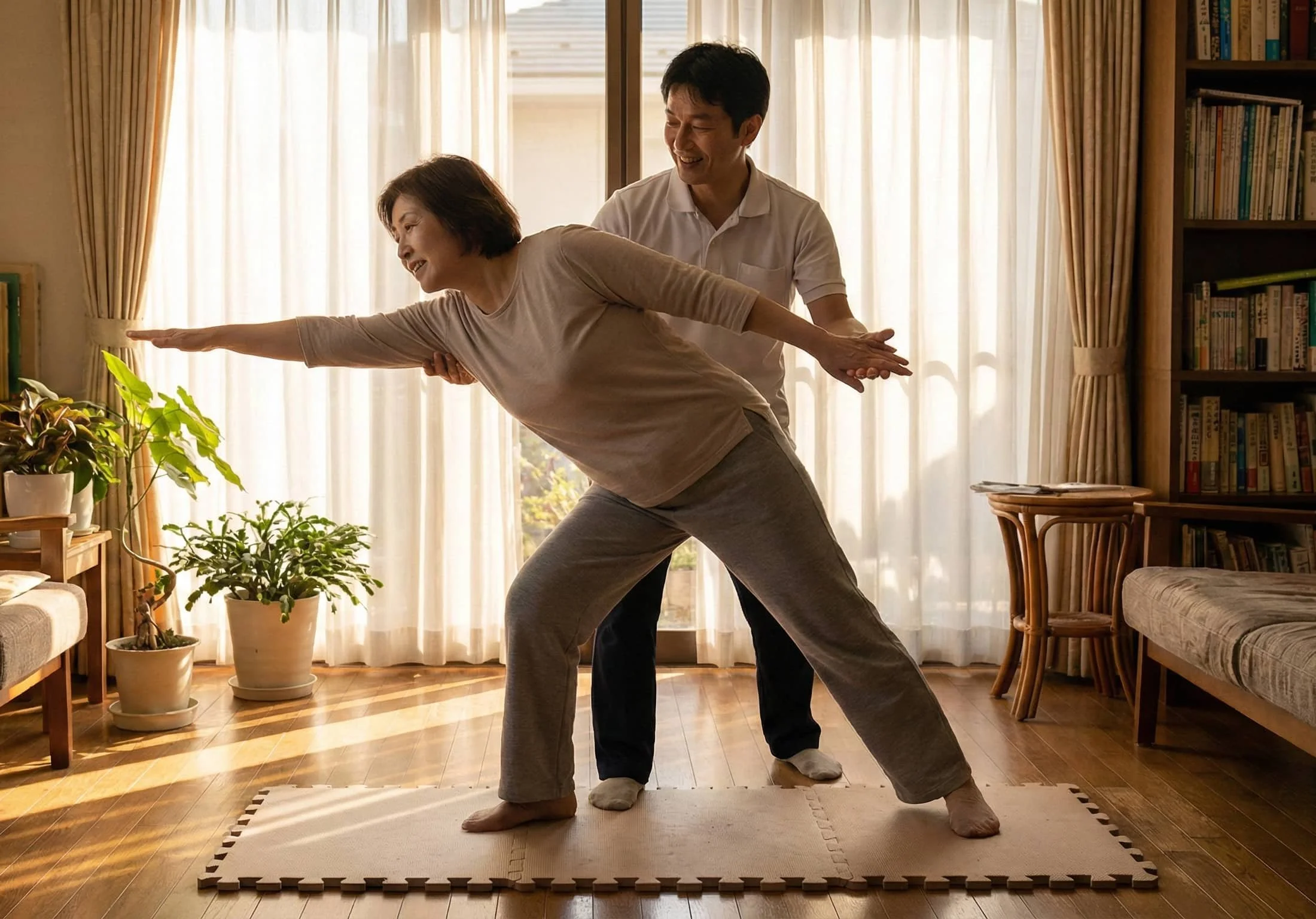
Occupational Therapy vs Physiotherapy: Choosing Your Best Path to Recovery
Rehabilitation often comes down to a simple choice: occupational therapy or physiotherapy. One restores movement, the other helps use it in daily life.
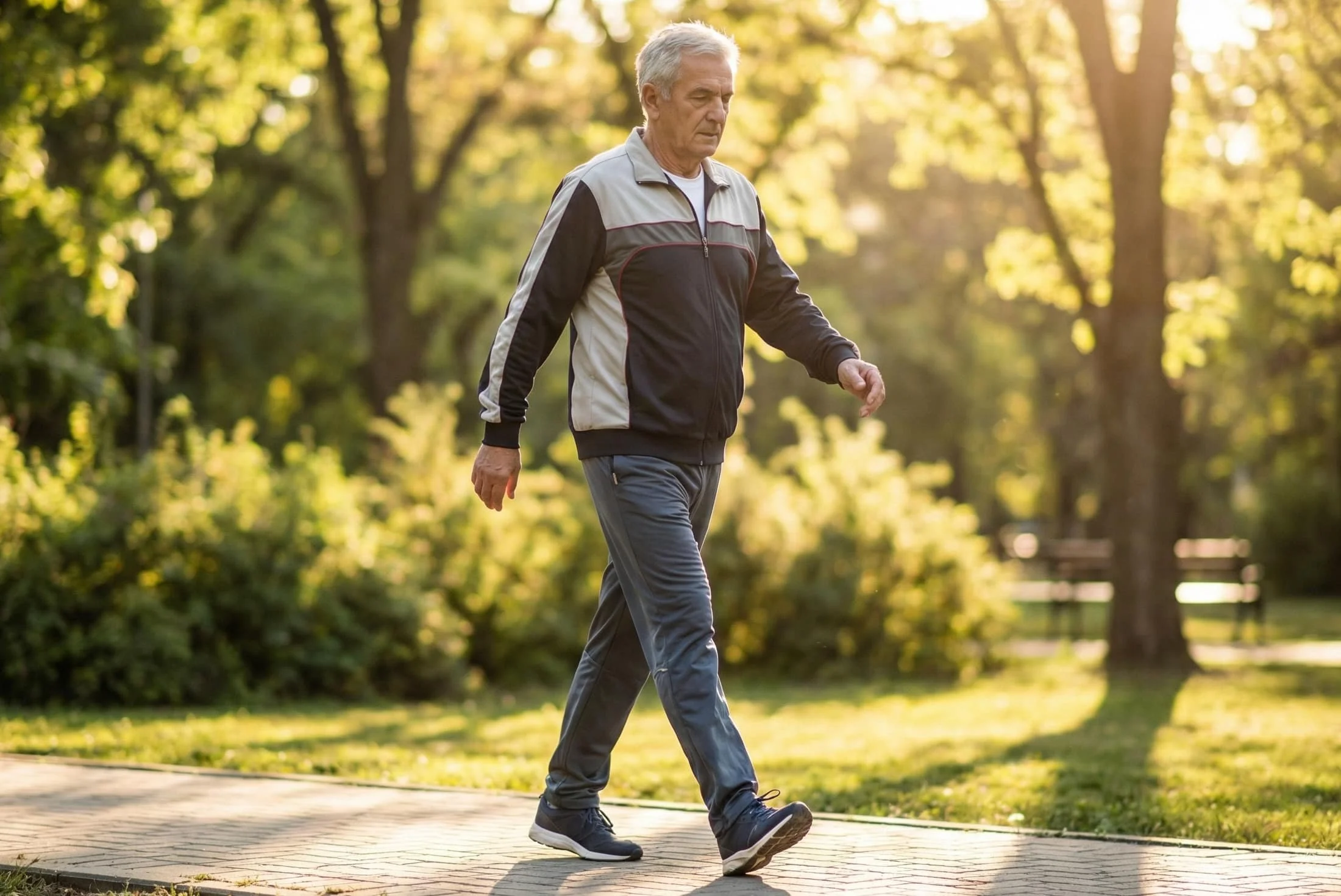
Exercises for Balance for the Elderly
Maintaining independence depends on regular balance exercises, which help reduce fall risk and improve stability through better coordination and leg strength.
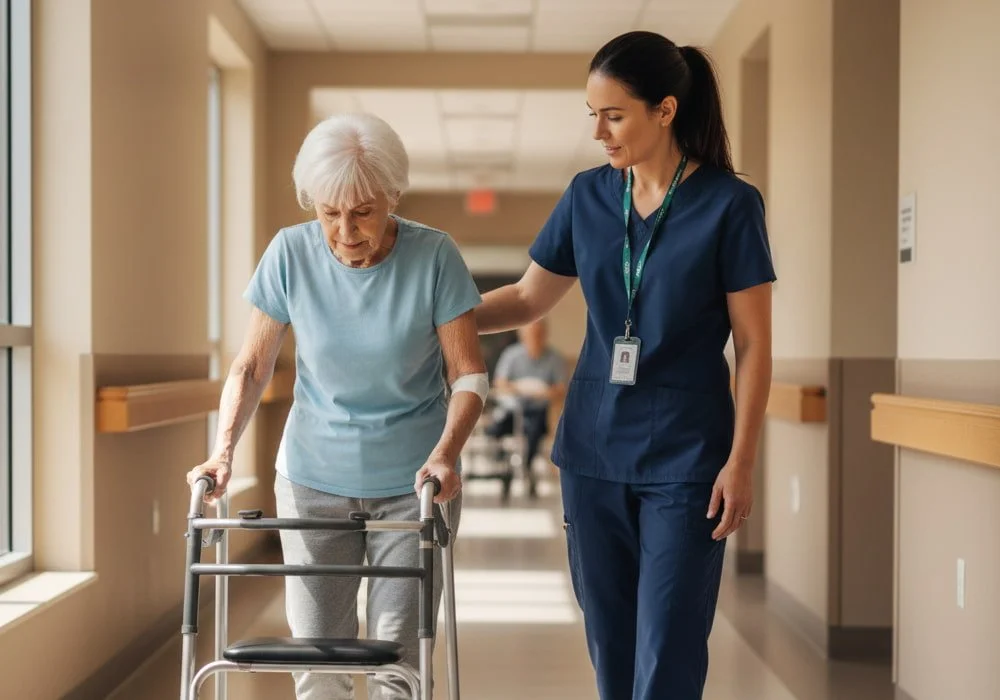
Hip Replacement Rehab: A Step-by-Step Plan from 0 to 12 Weeks
Hip replacement is major surgery, but for most people it helps restore mobility and reduce pain. Recovery is gradual and requires time, movement, and proper support.

Living Without Pain and Pills: Modern Physical and Occupational Therapy
Chronic pain requires more than just medication. Today, science backs Physical and Occupational Therapy as the gold standard for recovery. Discover how these proven methods help you regain control of your body.

Cognitive Therapy For Memory Decline: Can It Slow Down Dementia?
Aging affects how the brain works. Families often ask if mental training can slow this change. It can’t stop disease, but it helps preserve daily function and independence.

Adaptive Therapy for Parkinson’s Disease
Living with Parkinson’s changes daily rhythm. Simple actions like walking or eating require focus. Adaptive therapy eases these moments, combining care, movement, and confidence.

Accelerating Safe Recovery in the Modern U.S. Healthcare System
The shift from hospital-based rehabilitation to post-surgical home therapy marks one of the most transformative trends in American healthcare. By combining evidence-based protocols, digital monitoring, and personalized therapy at home, patients recover faster while remaining in safe and familiar surroundings.

Low-Intensity Aquatic Therapy for Older Adults
For some people, water is the first place movement feels possible again. Gentle aquatic therapy lets older adults move without fear, rebuild strength, and reconnect with their bodies — even after months of hesitation or pain