
Your Care Guide
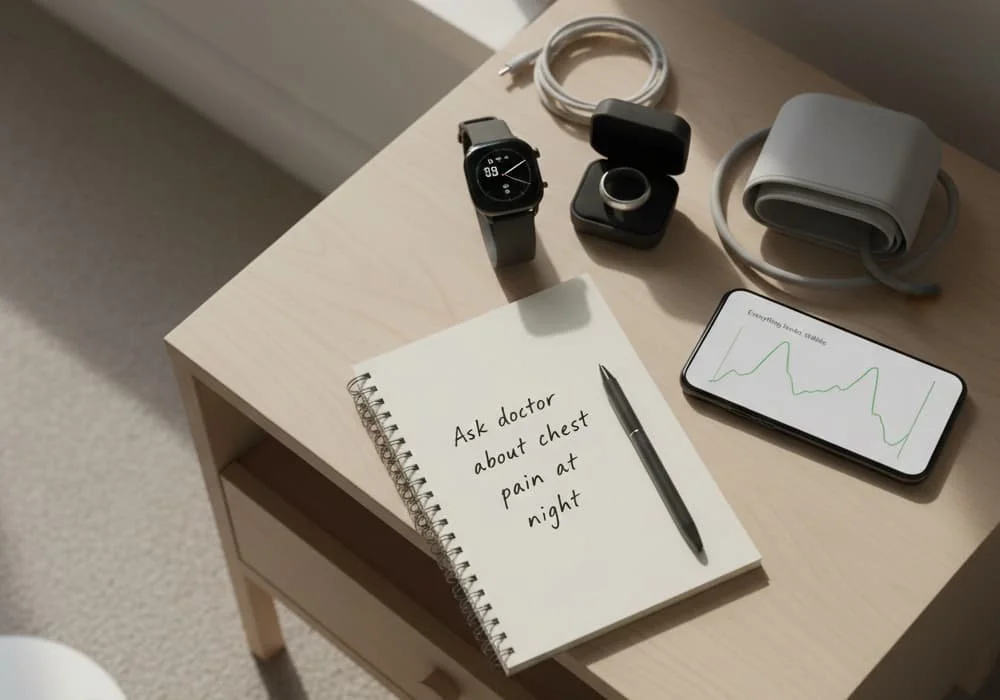
The Digital Doctor: Making Sense of Smart Medical Tools in Your House
Unlike old devices, smart tools provide your care team with patterns from daily life, not just snapshots from clinic visits. Examples include smart scales, CGMs, and fall sensors.
While these devices enhance safety and comfort, it is vital to understand that "smart" does not always mean "better," and users must know their limits.

How Placement Specialists Match Older Adults with the Right Senior Living Community
As crises arise, families must choose between home care and senior living. Placement specialists step in, matching the elder's health and needs to the right community for safe, dignified living.

The Economics of Aging(2024–2025)
Senior care costs in 2024–2025 are surging due to high demand and staff shortages. The advertised base rate is merely a minimum; the true cost is driven by geography and surcharges that pile up as health needs evolve.

Why Assisted Living Communities Choose Doctor2me
Assisted living residents are getting sicker, but communities don’t have full-time medical coverage. Doctor2me brings same-day doctors and bedside diagnostics into the resident’s room to treat early and avoid unnecessary hospital trips.

Living Without Pain and Pills: Modern Physical and Occupational Therapy
Chronic pain requires more than just medication. Today, science backs Physical and Occupational Therapy as the gold standard for recovery. Discover how these proven methods help you regain control of your body.

When Expertise Meets Empathy: The Faces Behind Doctor2me
Most people meet healthcare in buildings and waiting rooms. Doctor2me starts at the door of a home, hotel room, or care facility, with a team focused on one person at a time. This article shows who these people are and what happens when real expertise is delivered with empathy at home.

When Home Health Ends and Hospice Should Begin
The shift from home health to hospice is a difficult decision that shapes how the final months or weeks will look. This article explains how home health and hospice differ, how doctors see that home health is no longer enough, and how care teams can support families through this transition.

How AI Is Rewriting the Future Concierge Medicine
Concierge medicine in the U.S. is evolving into a more accessible and data-driven form of personalized care. AI now supports communication, diagnostics, and continuous monitoring, making care more precise and efficient. This shift also highlights the need for strong data protection, ethical oversight, and transparency in how AI is used.

A Day in the Life of a Professional Caregiver
Professional caregiving in the U.S. is a regulated field that demands skill, empathy, and accountability. Each shift follows strict standards in safety, ethics, and certification, with CNAs, HHAs, and PCAs forming the core of everyday care.

Post-Stroke Recovery at Home
Each year, about 795,000 Americans have a stroke, making it a top cause of disability and death. CMS and NIH StrokeNet promote faster, safer recovery through Home Health Care (HHC) after hospital discharge.