Anemia in Older Adults: Common Causes and Why Fatigue Shouldn't Be Ignored
Anemia means your blood does not carry enough oxygen, usually because you have too few healthy red blood cells or low hemoglobin (the iron-rich protein that moves oxygen). In older adults, the most common causes are iron deficiency, long-term illness, and low vitamin levels. The main warning sign is deep tiredness that does not go away with rest, and it should never be brushed off as just getting older.
If you or a parent feels worn out for weeks, you do not have to drive to a clinic to find out why. With Doctor2me, you can choose a doctor and have them come to your home, get checked privately, and start a plan the same day.
What Anemia Means in Older Adults
Your body makes red blood cells in the bone marrow, and those cells use hemoglobin to carry oxygen from your lungs to the rest of you. When hemoglobin levels drop too low, your heart and muscles get less oxygen, so you feel tired, weak, and short of breath. Anemia is not a disease on its own. It is a sign that something else needs attention.
Why Fatigue Should Not Be Ignored
Many older adults assume that feeling tired is a normal part of aging. It often is not. Anemia-related fatigue is a deep, lasting tiredness that does not lift after a good night of sleep. According to Mayo Clinic, anemia can also bring weakness, pale skin, dizziness, cold hands and feet, a fast heartbeat, and shortness of breath during simple tasks like walking to the mailbox.
Ignoring these signs can be risky. The British Geriatrics Society notes that anemia in older people is linked to more falls, weaker muscles, slower thinking, and a lower quality of life. Finding and fixing the cause early can help you stay steady, sharp, and independent.
How Common Anemia Is After 60
Anemia is far from rare in later life. A 2024 review found that about 1 in 4 older adults worldwide has anemia, and the rate climbs with age. The older we get, the more likely it is that a hidden problem, such as slow blood loss or kidney trouble, is pulling hemoglobin levels down. That is exactly why tiredness in a 70- or 80-year-old deserves a real look, not a shrug.
Common Causes of Anemia in Seniors
Doctors who study this, including the team writing in the journal Blood, explain that older age makes several causes more likely at once: not enough iron or vitamins, ongoing inflammation, kidney disease, and, less often, blood cancers. In many people, more than one cause is at work, which is why a careful workup matters.
Iron Deficiency and Slow Blood Loss
Iron deficiency is one of the top causes of anemia in seniors. Sometimes it comes from a diet low in iron, but in older adults it is often caused by slow bleeding in the stomach or gut that you cannot see. Ulcers, certain pain medicines, and other gut problems can cause a steady, tiny loss of blood over time. That is why a doctor will often check normal iron levels and look for a source of bleeding when iron is low.
Chronic Disease and Kidney Problems
Long-term conditions can lower red blood cell production. Ongoing inflammation from arthritis, infection, or other illness can block the body from using its iron well, even when iron stores look fine. The kidneys also make a hormone that tells the body to build red blood cells, so when kidneys weaken, anemia often follows. If kidney health is part of the picture, our guide to monitoring chronic kidney disease at home can help you and your doctor track it.
Vitamin Shortfalls and Unexplained Anemia
Low vitamin B12 and low folate can also cause anemia, and both are common in older adults because the body absorbs them less well with age. In some seniors, tests come back without a clear answer, which doctors call unexplained anemia of aging. Even then, treating what can be found and watching the numbers over time is the right move.
Understanding Your Blood Test Numbers
Anemia is found with a simple blood test. A complete blood count measures your hemoglobin, and follow-up tests check your iron and iron stores. You do not need to memorize every number, but it helps to know what your doctor is looking at.
Normal Hemoglobin Levels
Hemoglobin is measured in grams per deciliter (g/dL). Mayo Clinic lists the normal hemoglobin range as about 13.2 to 16.6 g/dL for men and 11.6 to 15.0 g/dL for women. If your hemoglobin levels fall below your lab's normal hemoglobin levels, that points to anemia. Labs can vary a little, so your doctor reads your result against the range printed on your report.
Ferritin, Iron, and Saturation
To learn why hemoglobin is low, doctors check a few more numbers. Ferritin shows how much iron you have stored, so low ferritin is a strong sign of iron deficiency, while a high ferritin level can mean inflammation rather than healthy stores. Your doctor also checks the iron level in your blood and the iron saturation, which is the share of your iron-carrying protein that is actually filled with iron. When iron saturation is low, it usually points to iron deficiency. Your doctor compares your iron, normal ferritin levels for your lab, and saturation together to see the full story.
Symptoms and Warning Signs to Watch
Everyday Symptoms
Anemia often builds slowly, so the signs can be easy to miss. Watch for tiredness that rest does not fix, weakness, pale or sallow skin, dizziness, a pounding or fast heartbeat, headaches, and feeling out of breath after light activity. Some people also notice cold hands and feet or trouble concentrating. If several of these show up together, it is worth a blood test.
When to Get Help Right Away
Some symptoms need quick care. Chest pain, severe shortness of breath, fainting, a very fast or irregular heartbeat, or signs of bleeding such as black or bloody stools are reasons to seek urgent help. These can mean the anemia is severe or that active bleeding is going on. When in doubt, do not wait it out at home.
How Anemia Is Treated
Treatment has two parts: raise the low levels and fix what caused them. The right plan depends on the type of anemia, so a doctor should guide it rather than guesswork with over-the-counter pills.
Iron Pills, Diet, and Supplements
For iron deficiency, doctors often start with iron pills for anemia along with iron-rich foods like lean red meat, beans, lentils, and leafy greens. Medline Plus notes that iron is absorbed better on an empty stomach and that pairing it with vitamin C can help, though some people need to take it with food to avoid an upset stomach. Iron supplements for fatigue and iron supplements for tiredness can work well, but they may cause constipation or nausea, and they take weeks to rebuild your stores. If pills are not tolerated or not enough, your doctor may suggest iron given through a vein.
Because low iron is also linked to restless, jumpy legs at night, treating a shortfall sometimes improves sleep too. If that sounds familiar, our guide to easing restless legs syndrome offers extra tips to talk over with your doctor.
Treating the Root Cause
Pills alone are not the full answer. If slow bleeding is the cause, that source has to be found and treated. If a long-term illness or kidney problem is behind it, managing that condition helps the anemia. For vitamin shortfalls, B12 or folate is replaced. Because anemia can raise the risk of falls, it is also smart to make the home safer while you recover, which our overview of bathroom safety for seniors can help with.
Getting Tested Without the Stress
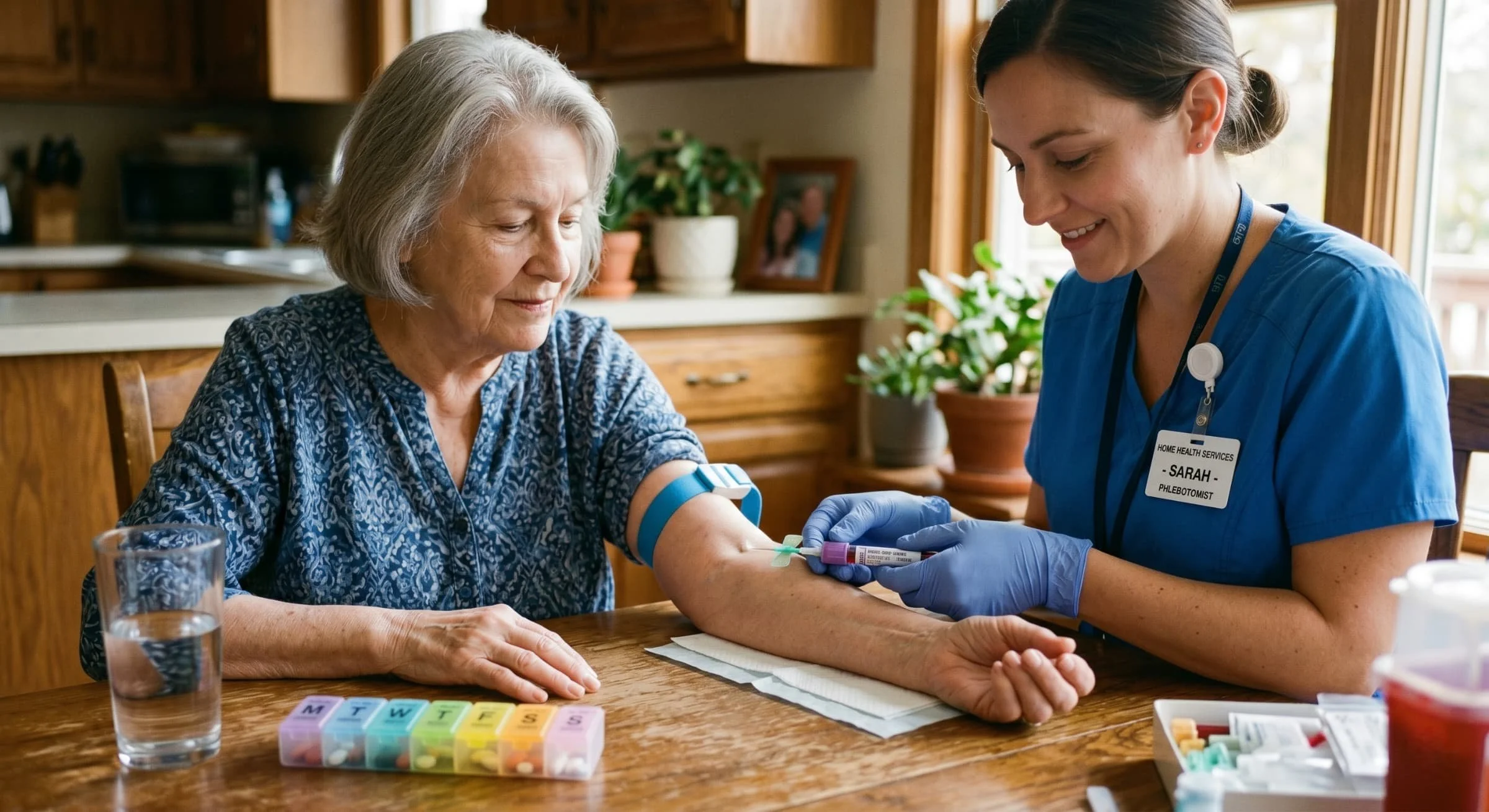
The hardest part for many older adults is simply getting started, because a trip to a busy lab or clinic can be tiring and means time in a crowded waiting room. The first step in checking for anemia is a blood test, and that no longer has to mean leaving the house. A mobile lab that draws blood at home, such as Sonic Diagnostic Laboratory, can collect the sample at the kitchen table so the results are ready when you talk with your doctor.
When anemia is part of a larger recovery, such as bouncing back after surgery or a hospital stay, having extra support at home makes a real difference. A skilled home health team like Guardian Angel Home Health can provide nursing visits and day-to-day help while your iron levels and strength build back up. And because the whole point is to lower stress, a Doctor2me physician can come to you the same day, review your numbers in private, and set a clear plan without any waiting line or risk of catching something in a packed lobby.
FAQ
What is the most common cause of anemia in older adults?
In seniors, the leading causes are iron deficiency, anemia from long-term illness or inflammation, and low vitamin B12 or folate. Iron deficiency in older adults often comes from slow, hidden bleeding in the gut. Often more than one cause is present at the same time.
Is iron deficiency anemia common in older adults?
Yes. Anemia affects about 1 in 4 older adults worldwide, and the rate rises with age. Iron deficiency is one of the most common reasons, so a doctor will usually check your iron and ferritin when hemoglobin is low.
Can iron deficiency cause insomnia?
Low iron can disturb sleep, often by triggering restless legs syndrome, an urge to move the legs at night that makes it hard to settle. Treating the iron shortfall sometimes improves both the leg symptoms and sleep. If sleep problems continue, tell your doctor.
When should you go to the ER for low iron?
Get urgent care if you have chest pain, severe shortness of breath, fainting, a very fast or irregular heartbeat, or signs of bleeding such as black or bloody stools. These can mean the anemia is severe or that you are actively losing blood. When in doubt, seek help right away.
Can drinking water help anemia?
Staying hydrated keeps your blood from looking falsely concentrated and helps you feel your best, but water alone does not cure anemia. The fix is to raise low iron or vitamins and treat the cause. Think of good hydration as support, not a treatment.
How do you treat anemia in older adults?
Treatment depends on the cause. Iron deficiency is treated with iron pills or iron-rich foods, and sometimes iron through a vein, while vitamin shortfalls are replaced with B12 or folate. Just as important, the doctor finds and treats what caused the low levels, such as bleeding or a chronic illness.
You May Also Like