
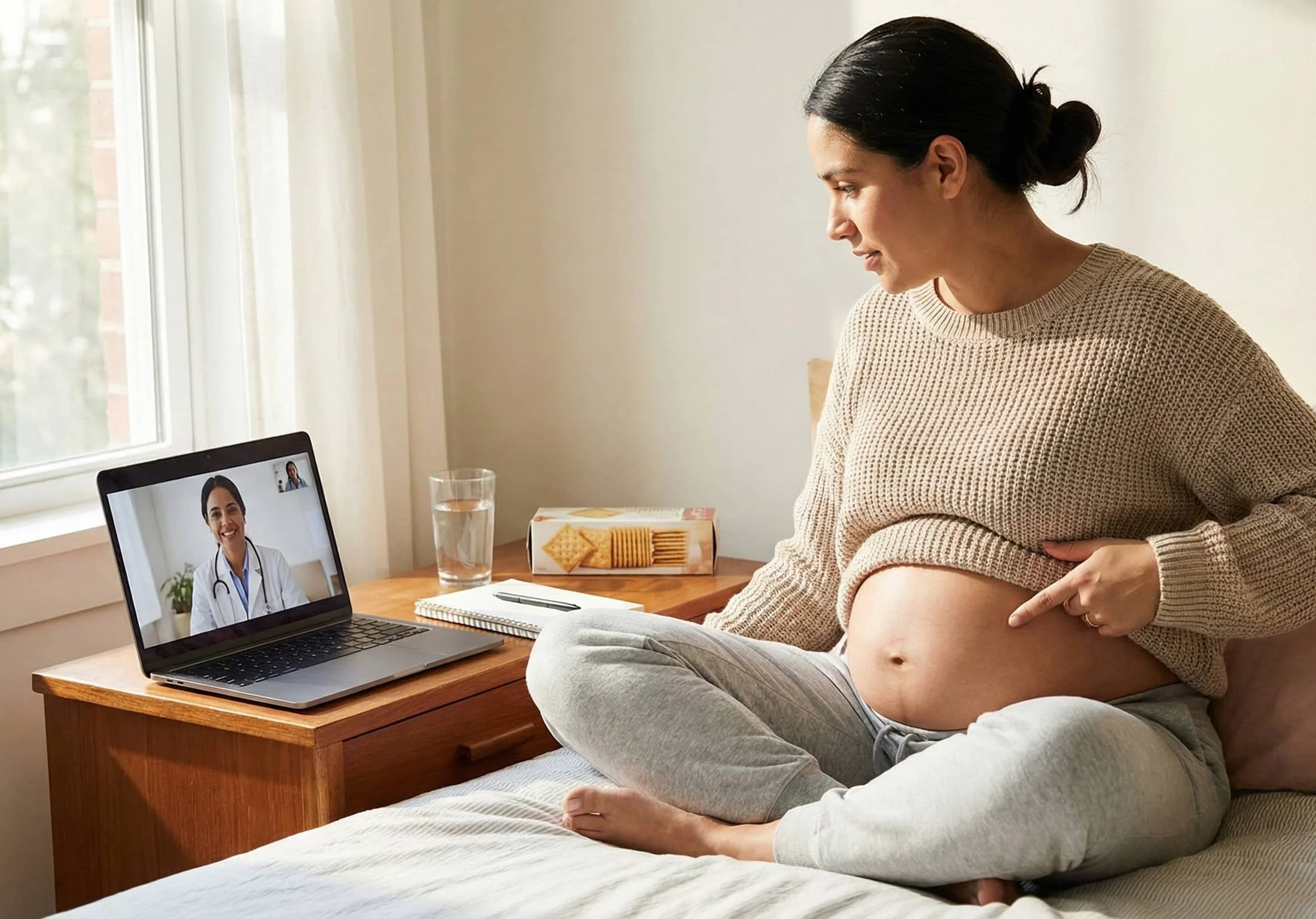
What Helps with Nausea During Pregnancy and Abdominal Pain?
Nausea, digestive issues, and abdominal discomfort are common during pregnancy as the body adapts to major changes.
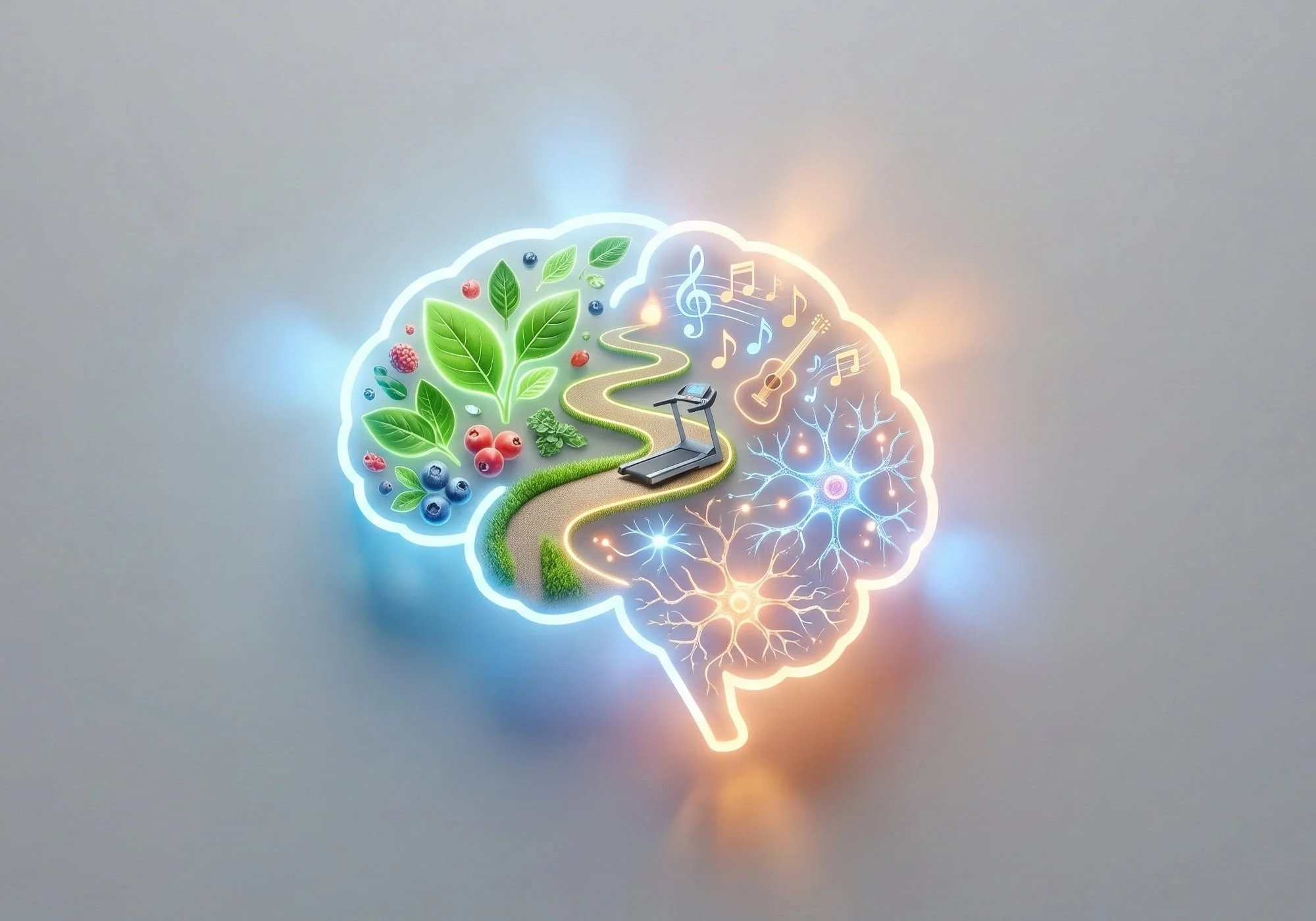
How to Prevent Alzheimer Disease and Dementia
Up to 40% of Alzheimer’s and dementia risk can be reduced with prevention and early diagnosis.
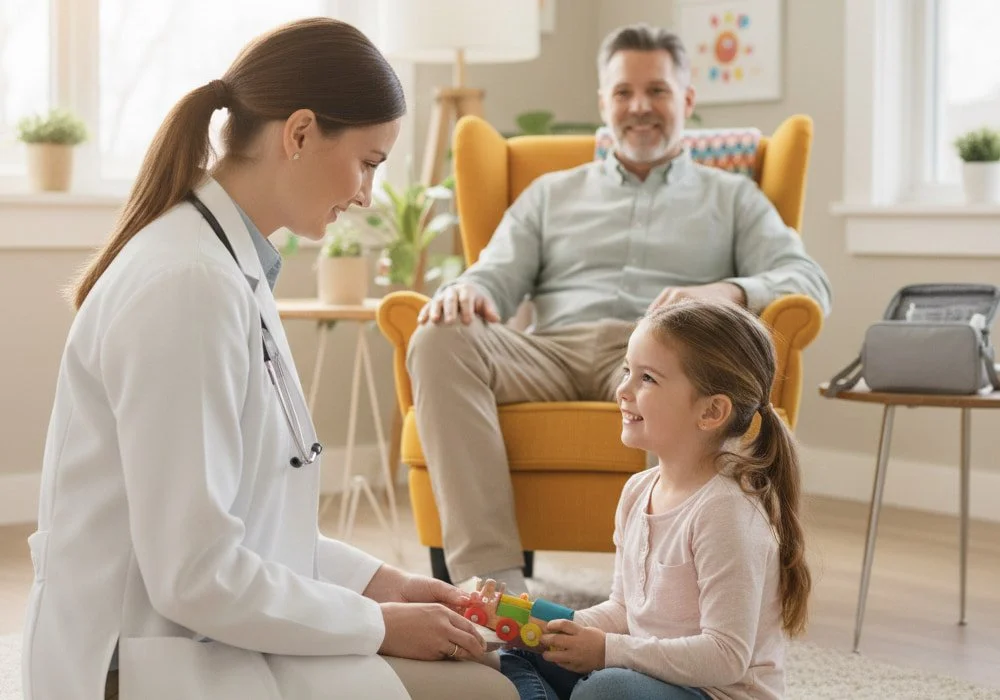
Top 10 Reasons for At-Home Doctor Visits
Home doctor visits are a proven, effective care model. Research from the NIH shows they improve outcomes and patient satisfaction, making home-based care a growing priority for families.
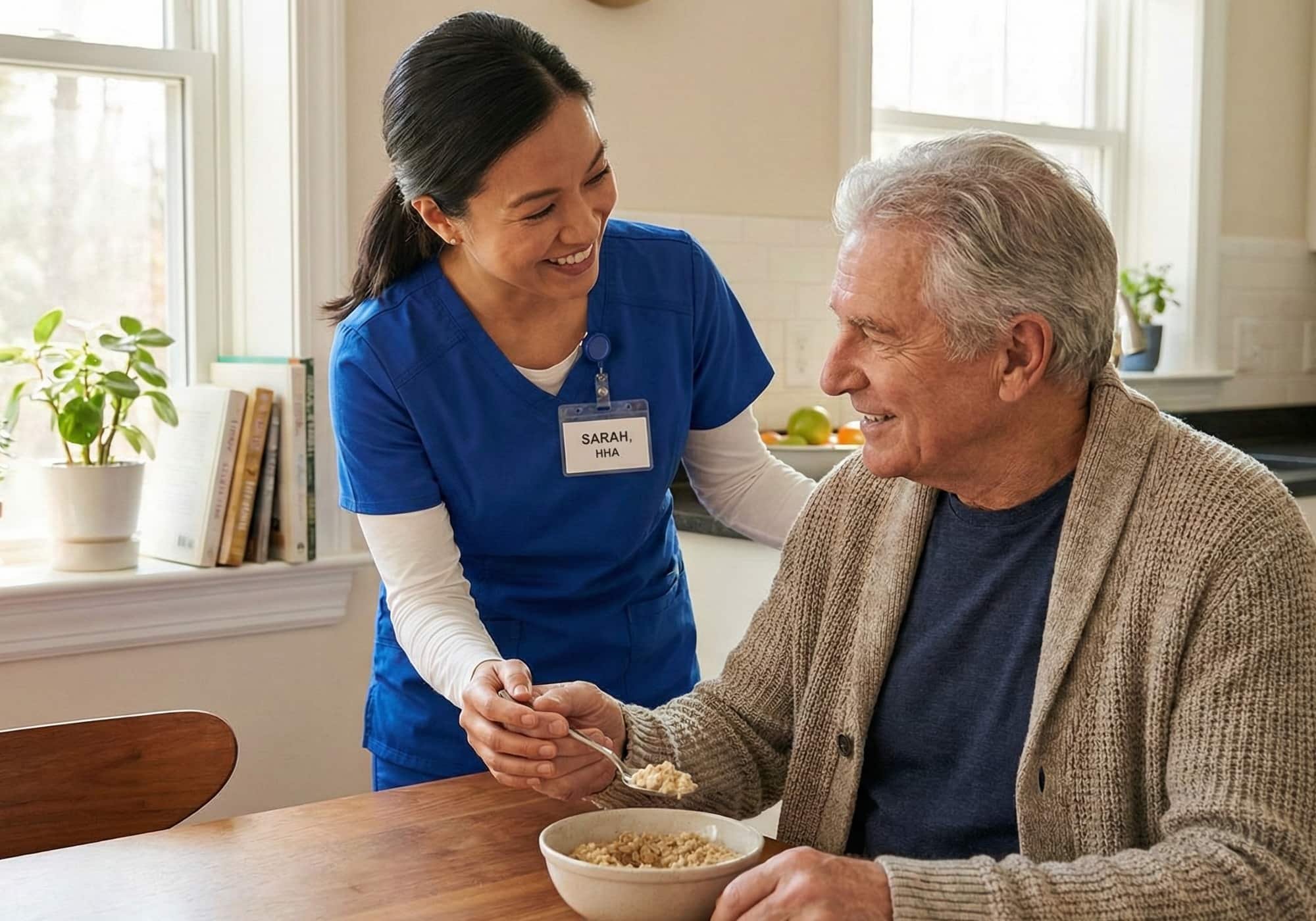
Home Health Aide (HHA): The Complete Career Guide for 2025
Global aging has created record demand for home health aides (HHAs). This guide outlines the HHA career path, training, and growth strategies within the evolving home-care industry.
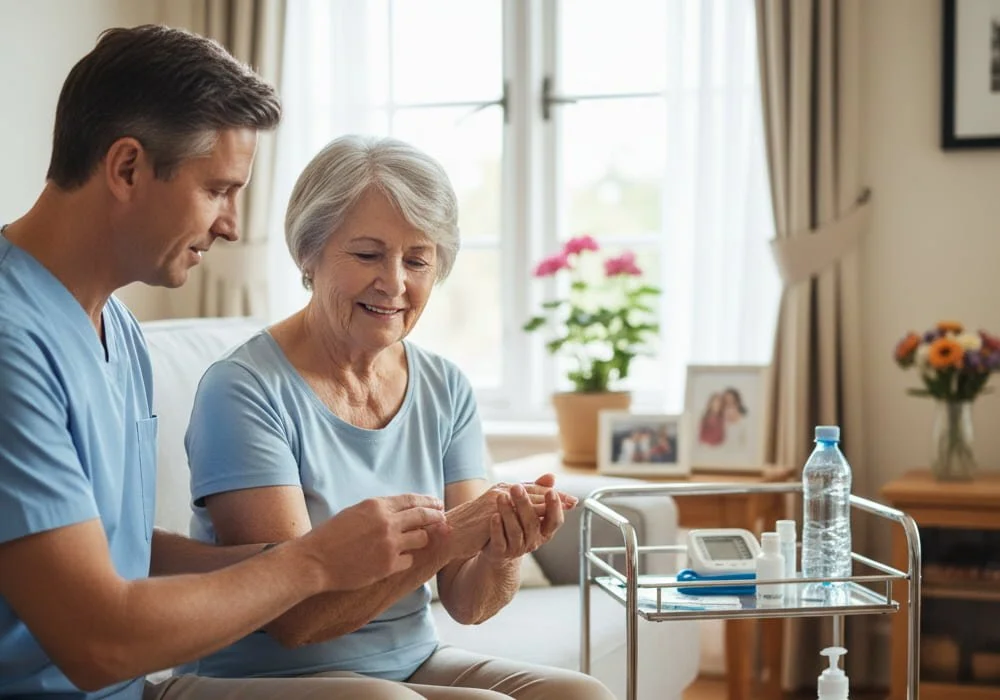
Chronic Care at Home: When All of Medicine Comes to You
Managing chronic illnesses is difficult for most adults, forcing endless clinic trips. This drives the shift to home-based chronic care—a proactive model offering continuous, personalized care comfortably delivered at home.
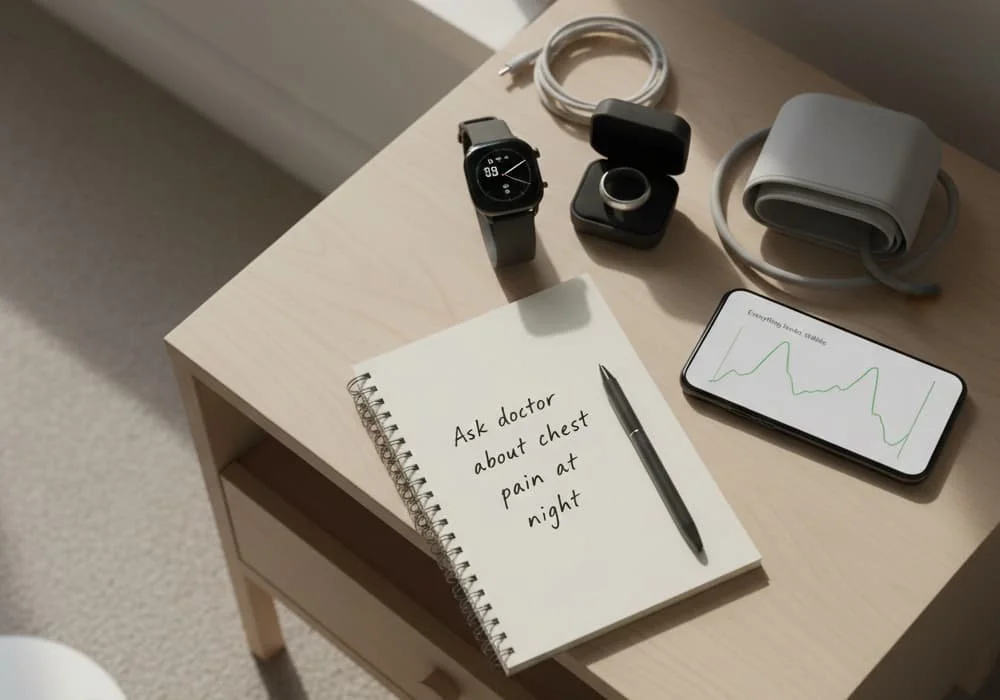
The Digital Doctor: Making Sense of Smart Medical Tools in Your House
Unlike old devices, smart tools provide your care team with patterns from daily life, not just snapshots from clinic visits. Examples include smart scales, CGMs, and fall sensors.
While these devices enhance safety and comfort, it is vital to understand that "smart" does not always mean "better," and users must know their limits.

Post-Stroke Recovery at Home
Each year, about 795,000 Americans have a stroke, making it a top cause of disability and death. CMS and NIH StrokeNet promote faster, safer recovery through Home Health Care (HHC) after hospital discharge.

Maintaining Dignity During Personal Care Assistance
Maintaining dignity in personal care is a legal and moral duty under OBRA ’87 and CMS rules. Yet, staff shortages and rigid routines often erode respect and autonomy, reducing quality of life.

Strategic Management of Complex Medication Schedules in Home Health
Effective medication management at home is vital for patient safety. As more older adults live with chronic conditions, complex regimens raise the risk of errors and hospital readmissions.

Coordinating Multiple Providers Under One Home Health Plan
When care happens at home, many people help — doctors, nurses, and therapists. Without coordination, mistakes happen: repeated tests, missed updates, medication conflicts. A single shared plan keeps everyone aligned, using the same information and goals for safer care.